




Breakaway Cycling Explained: Why the Break Goes and Why It Fails
A breakaway in cycling is a small group of riders who attack and race clear of the main peloton, usually early in a stage. The break goes for television time, sponsor exposure, mountain points and the slim chance of a stage win. Most breaks are caught before the line, because a peloton sharing the work in the slipstream is quicker over distance than a handful of tired riders.
That is the short answer. The long answer is a love story with a bad ending. Most of the time.
What is a breakaway in cycling?
The break. L'échappée. De vlucht. Every language in the peloton has a word for it. It is the group that gets away, opens a gap and races out front while the bunch decides what to do about it.
A breakaway can be one rider or fifteen. It can form at kilometre zero or with twenty kilometres to go. What makes it a break is simple: daylight between the leaders and the pack, and a gap that someone has to manage.
The riders out front have a name too. Tête de la course. The head of the race. It is the place every young rider dreams about and every directeur sportif counts the cost of.
Why does the break go?
Nobody attacks into a headwind for hours just for fun. Well, not only for fun. The reasons are practical.
- Exposure. Hours at the front of the race means hours of the jersey on television. For smaller teams, that is how the sponsor gets paid back.
- Points. Intermediate sprints and mountain points are out on the road. A break can collect them while the favourites sit in the wheels.
- Freedom. A rider in the break does not fetch bottles or chase for a leader. Some days that alone is worth the effort.
- The win. Small, but real. On hilly days, and in the last week of a Grand Tour when tired teams stop chasing, the break can stay away.
Getting into the break is a race in itself. The first hour of many stages is a blur of attacks and counter-attacks until the right mix of riders and teams goes clear and the peloton lets them ride.

Why do most breakaways fail?
Physics, mostly. Riding in the wheels saves a large share of the effort. A peloton of well over a hundred riders can rotate fresh legs at the front, while the break has the same four or five tired bodies doing all the work.
Then there is control. The teams of the sprinters and the race leader put riders on the front to manage the gap. They let it grow, hold it steady, then reel it in when the finish comes into view. An old rule of thumb says a chasing peloton takes back about a minute for every ten kilometres. It is not exact science. It is close enough to break hearts.
Timing is the cruel part. The catch often comes in the final few kilometres, sometimes in sight of the flamme rouge. Hours of suffering, swallowed in seconds.
When does the break stay away?
Sometimes the maths fails. A break wins when the chasing teams do not want the stage, when the parcours is too hilly for the sprinters, when the gap grows too big too early, or when the riders up front simply refuse to give in.
Cooperation decides it. A break that shares the work stays away longer. A break that starts playing games in the final ten kilometres usually gets caught, or splits and leaves one rider dangling between the leaders and the bunch. That rider has a name too: the chasse patate. Nowhere to hide, nobody to help.

Why we love the break
Because it is the most human part of a race. The break is hope with a time gap. It is the rider from a small team, the long shot, the one who tries anyway. Most days it ends in the bunch. Some days it ends with arms in the air.
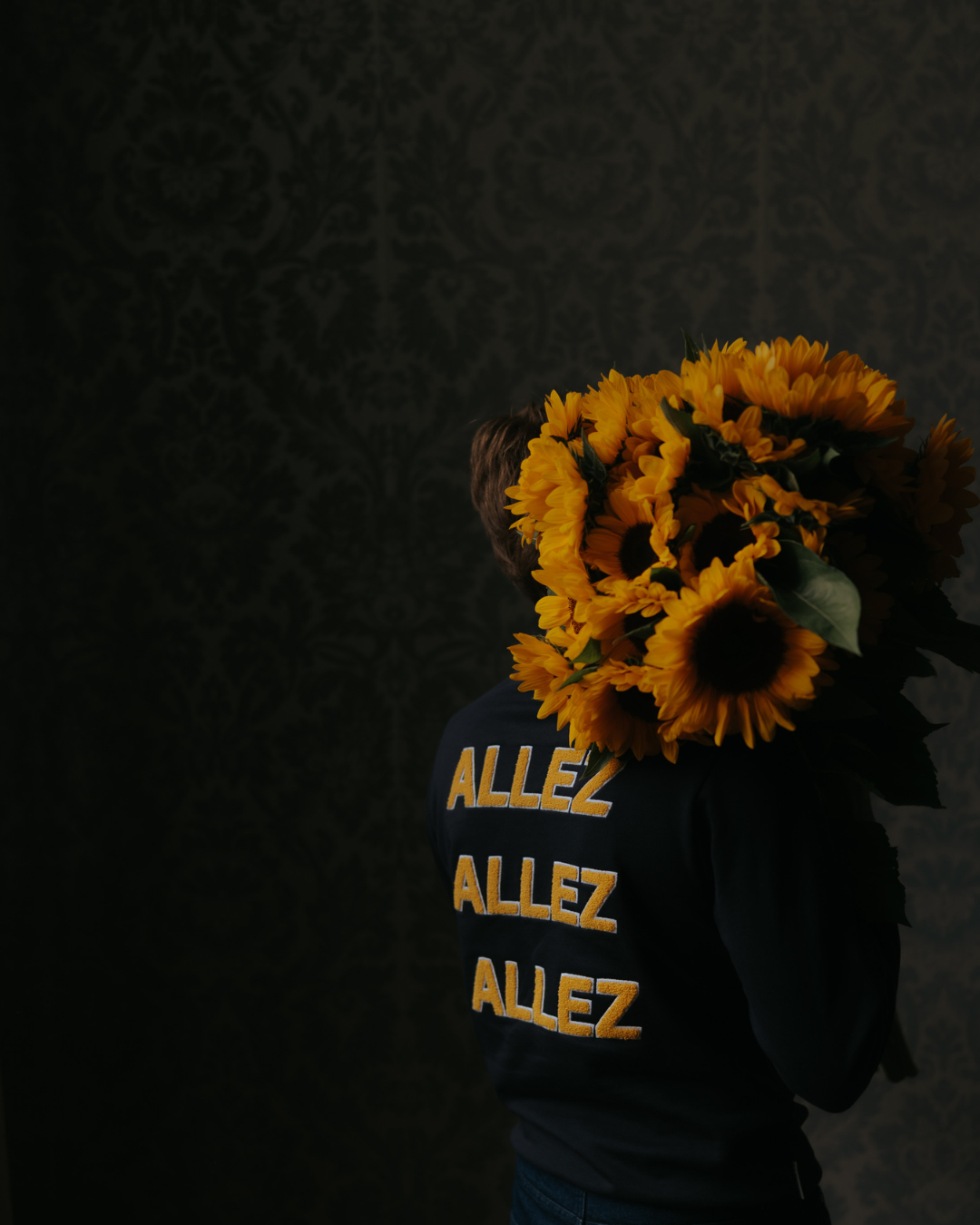
That is why the break lives on long after the stage. In the stories told at the café stop. In the poster on the wall. In the Tête de la Course sweatshirt you pull on after the Sunday ride and keep on for the afternoon in front of the race. Our Break Away First Think Later towel says the rest.
Off the bike, the break becomes a way of seeing things. Go early. Commit. Accept that it might not work. Try anyway. The same spirit runs through our Off-Bike collection: made for the long ride, not the quick win.

FAQ
What is the difference between an attack and a breakaway?
An attack is the move. A breakaway is the result. Riders attack to form a break, and the break exists once a gap opens and holds.
Why does the peloton let the breakaway go?
Chasing every attack burns energy. Once a break with no threat to the overall lead goes clear, the leading teams let it ride and manage the gap until it suits them to close it.
Who does the chasing?
Usually the domestiques of the teams with the most to lose. Read more about the domestique, the rider who gives everything so a leader can win.
Go early. Go with feeling. We're here for the long ride.
Weiterlesen
Cyclocross is Belgium’s winter religion. What the sport is, why Flanders loves it, what race day feels like and what to wear on the tape.
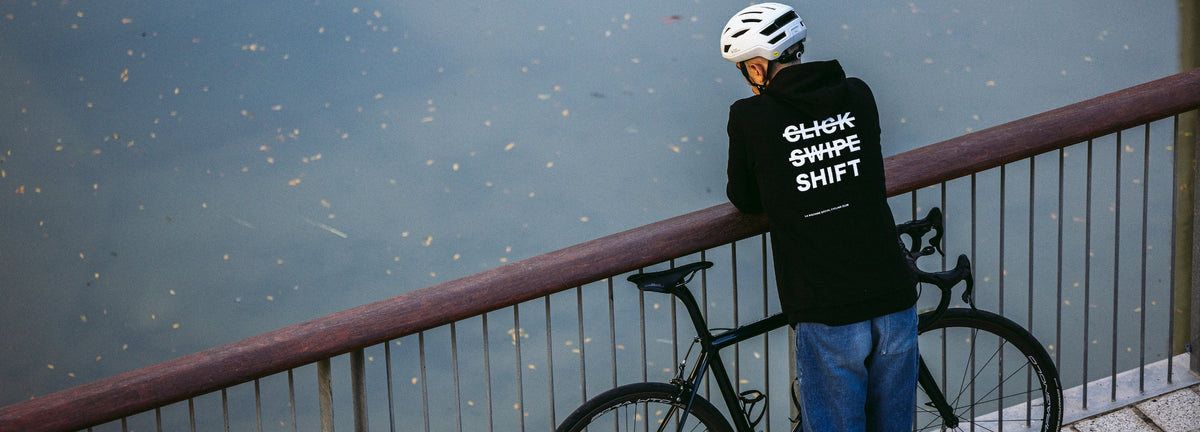
What makes a good cycling hoodie for life off the bike: heavyweight fabric, a fit cut for a rider's frame, practical details and a design with meaning.




Hinterlasse einen Kommentar
Diese Website ist durch hCaptcha geschützt und es gelten die allgemeinen Geschäftsbedingungen und Datenschutzbestimmungen von hCaptcha.