













Lanterne Rouge: Why the Tour's Last Rider Still Matters
The lanterne rouge is the rider who finishes last in the overall classification of the Tour de France. The name means "red lantern" and comes from the red lamp hung on the last carriage of a train. Last, yes. But still on the train, still in Paris, still a Tour finisher.
In a sport that celebrates winners, the lanterne rouge celebrates something else. Staying power.
Where does the name lanterne rouge come from?
Railways hung a red light on the final carriage so staff along the line could see the whole train had passed. No lamp meant something was missing. Cycling borrowed the image for the rider at the very end of the general classification, the one who proves the race is complete.
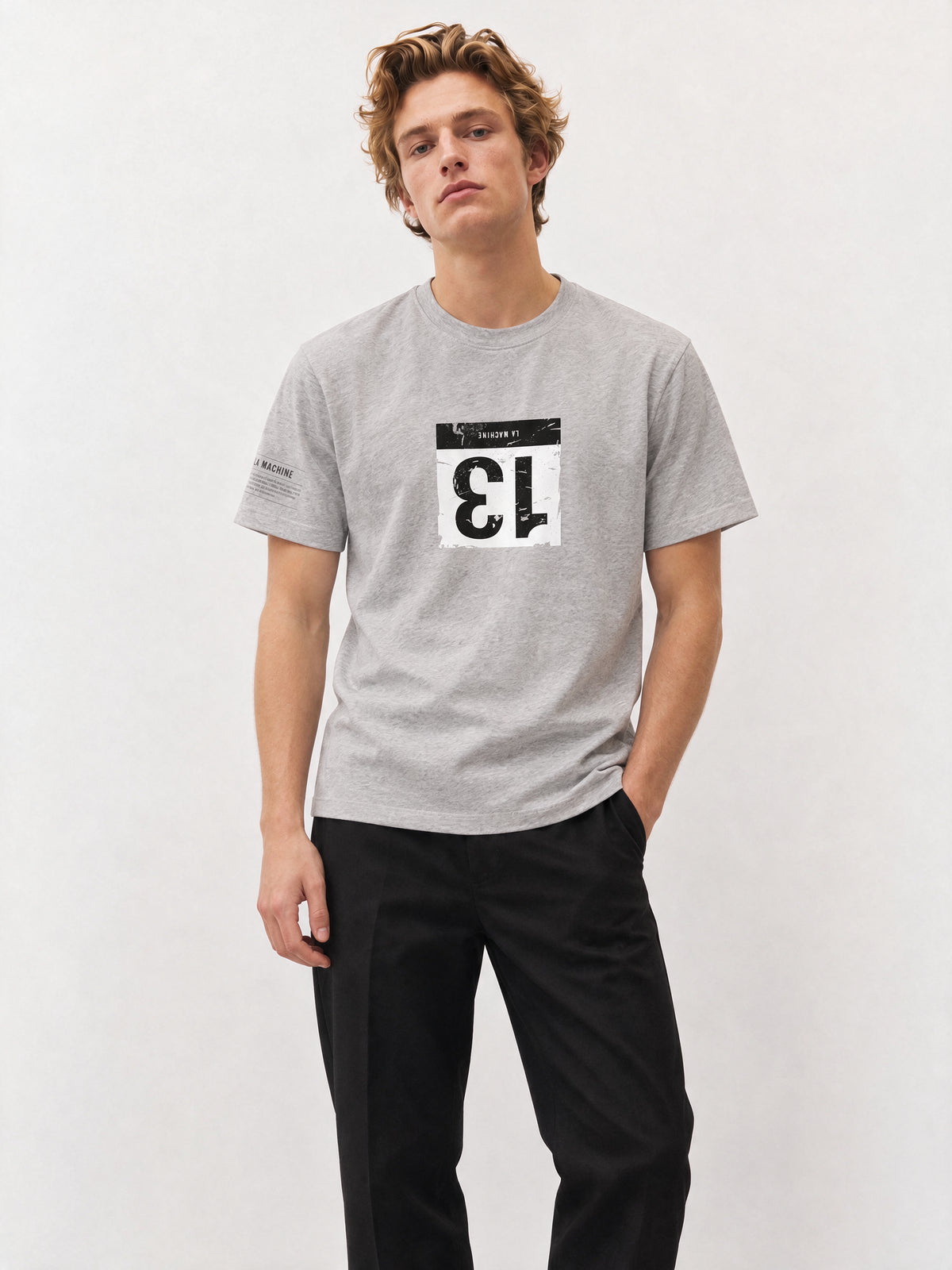
The term travels well. In Dutch it is de rode lantaarn, and it gives its name to our La Machine X De Rode Lantaarn collaboration. You will also hear it in other stage races, and in other sports, for whoever brings up the rear.
Is being lanterne rouge a bad thing?
Think about what it takes. Three weeks. Thousands of kilometres. High mountains, crosswinds, crashes and time cuts that send riders home. Being lanterne rouge means you came through all of it. Every year, riders who start the Tour never reach the finish.
The lanterne rouge is often a team worker who spent the race riding for others: chasing breaks, fetching bidons, emptying himself on the climbs so a leader could save seconds. His place on the classification is the receipt for that work, not a verdict on his talent.

How does the time cut shape the back of the race?
Every stage has a time limit, worked out from the stage winner's time. Finish outside it and you risk elimination. On big mountain days, the sprinters and heavier riders gather in a group at the back, known as the gruppetto or the autobus, and ride together to make the cut.
The lanterne rouge lives in that world. The daily question is not whether he can win. It is whether he can stay in the race until tomorrow. Ride that question for twenty-one stages and you have earned your lantern.
Who are the famous lanterne rouges?
Some riders made the role their own. Belgian Wim Vansevenant finished last overall in three consecutive Tours, from 2006 to 2008. A team worker through and through, he turned the lantern into a record that says as much about endurance as any jersey.
Finishing last could even pay. In the era of post-Tour criteriums, organisers wanted names the crowd knew, and the lanterne rouge was one of them. Being memorably last was worth more than being forgotten in the middle.
What does the lanterne rouge say about cycling?
That the race is bigger than the podium. Every Grand Tour is carried by riders whose names never appear in the headlines: the ones who close gaps, shelter leaders from the wind and ride the last mountain alone, long after the cameras have gone. The lanterne rouge gives those riders a face. Fans cheer him on the Champs-Élysées because they understand what his three weeks looked like.

Why we love the lanterne rouge
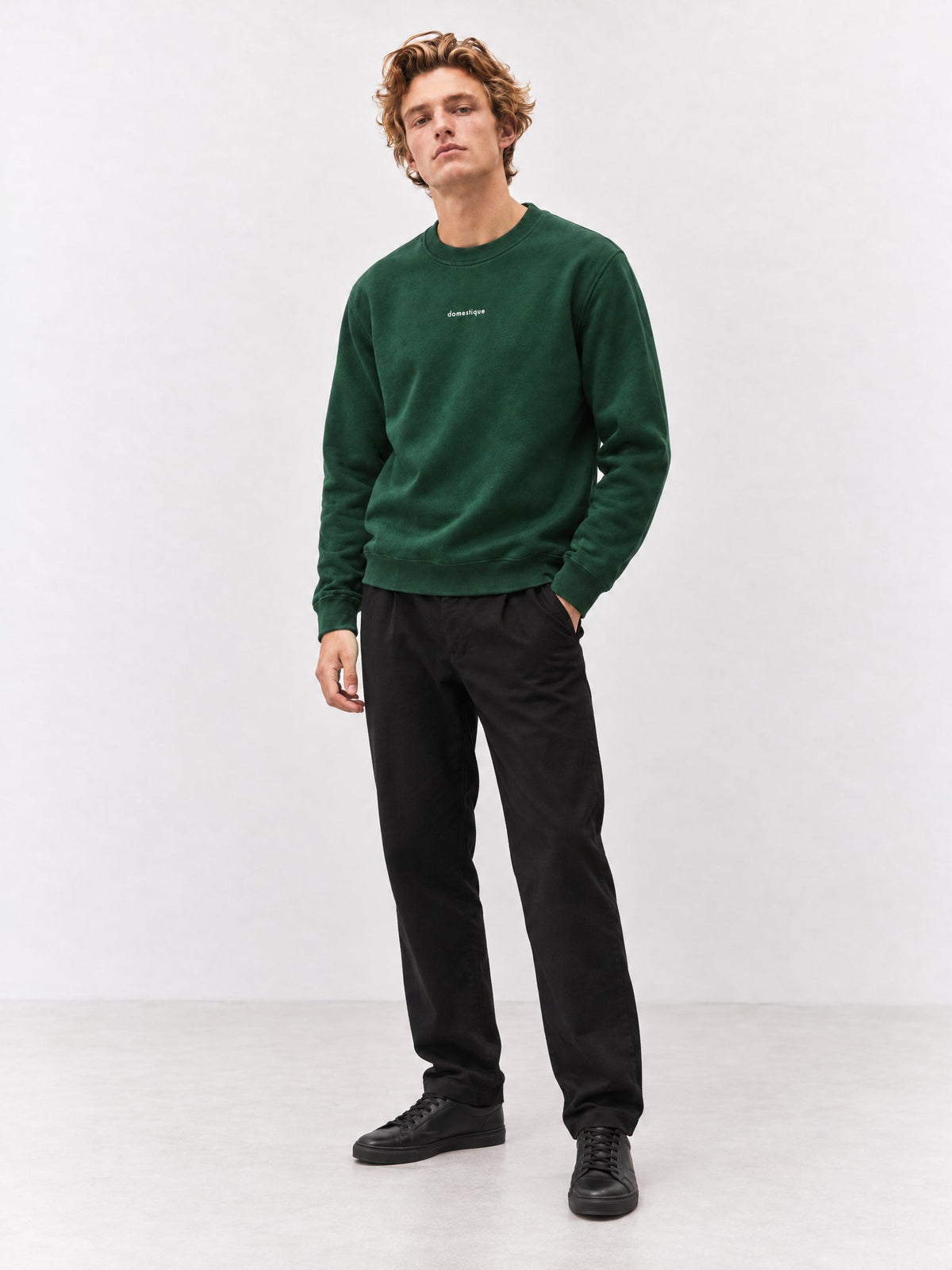
Cycling is a sport of a few winners and many finishers. The lanterne rouge stands for the many. Persistence over glory. Grit over glamour. It is the same spirit behind our Domestique sweatshirt and the Champion de la Malchance poster, a salute to the rider for whom nothing goes right but who keeps pedalling anyway.
It is a good lesson off the bike too. Not every day is a stage win. Some days, finishing is the victory. Meet more of the riders who make the race possible in our piece on the domestique.
FAQ
What does lanterne rouge mean?
It is French for red lantern. In cycling it names the last rider in the overall classification of a stage race, above all the Tour de France.
Does the lanterne rouge get a jersey or a prize?
There is no official jersey for last place. The reward is the finish itself, and a certain fame among fans who know what it took.
Who has been lanterne rouge the most times?
Wim Vansevenant of Belgium, who finished last overall in the 2006, 2007 and 2008 Tours de France.
Finishing is never nothing. Bienvenue à La Machine.
Weiterlesen

Cycling superstitions are the small rituals riders use to feel in control of a sport full of chance. From the upside-down 13 to the rainbow jersey curse, here is how the peloton keeps its luck.

December is the off-season for road riders and peak season for cyclocross. These Christmas gift ideas keep cyclists warm, comfortable and dreaming of spring.




Hinterlasse einen Kommentar
Diese Website ist durch hCaptcha geschützt und es gelten die allgemeinen Geschäftsbedingungen und Datenschutzbestimmungen von hCaptcha.