





Aus dem Peloton

Cyclocross is Belgium’s winter religion. What the sport is, why Flanders loves it, what race day feels like and what to wear on the tape.
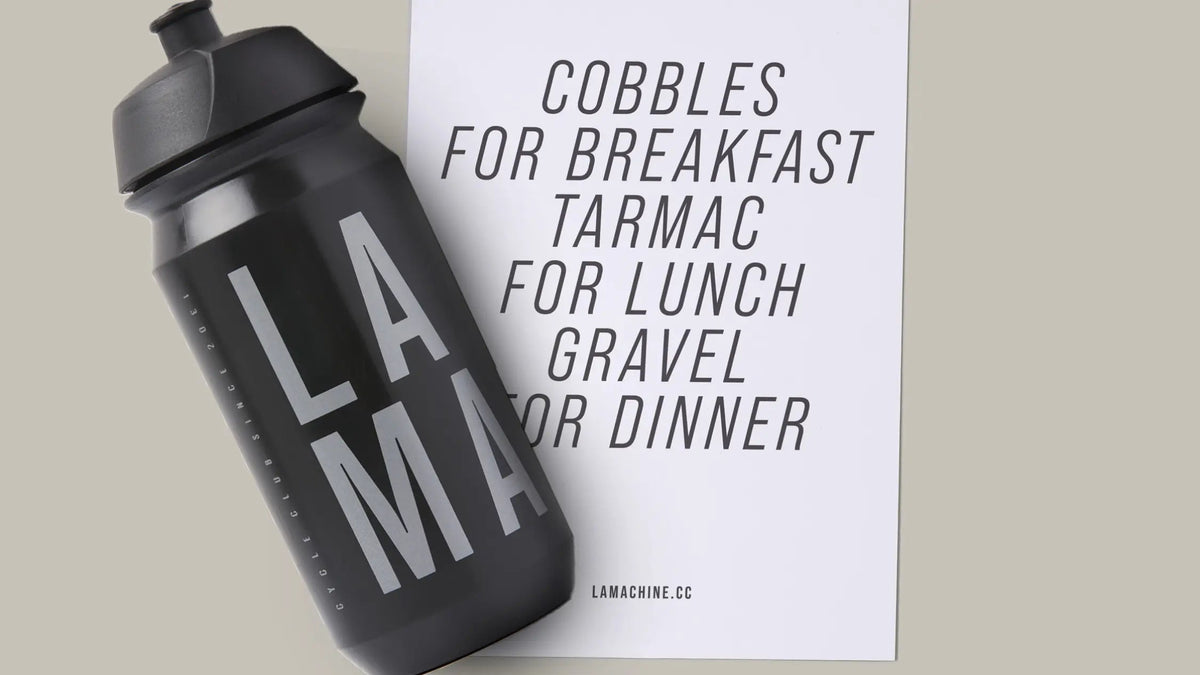
Bidon is the cyclist's word for a water bottle, borrowed from French. Here is where the word comes from, who carries the bidons in a race, and why fans chase them at the roadside.
An echelon is a diagonal line of riders formed in a crosswind. Here is how the fan works, why it splits races and where to look for it.
The right gift for a cyclist depends on the rider. Our guide matches off-bike gifts to climbers, Classics fans, café regulars, indoor riders, retro romantics and young riders.
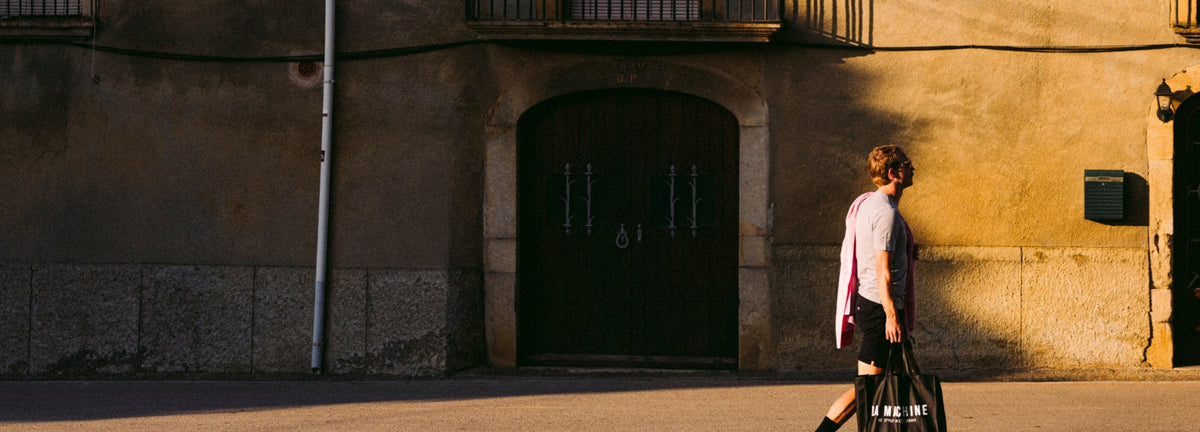
A musette is the shoulder bag handed to riders in the feed zone, packed with food and bottles. Here is how it works in a race, why fans collect them, and how it became an everyday bag.

A breakaway is a small group that races clear of the peloton. Here is why the break goes, why it is usually caught, and why we love it anyway.
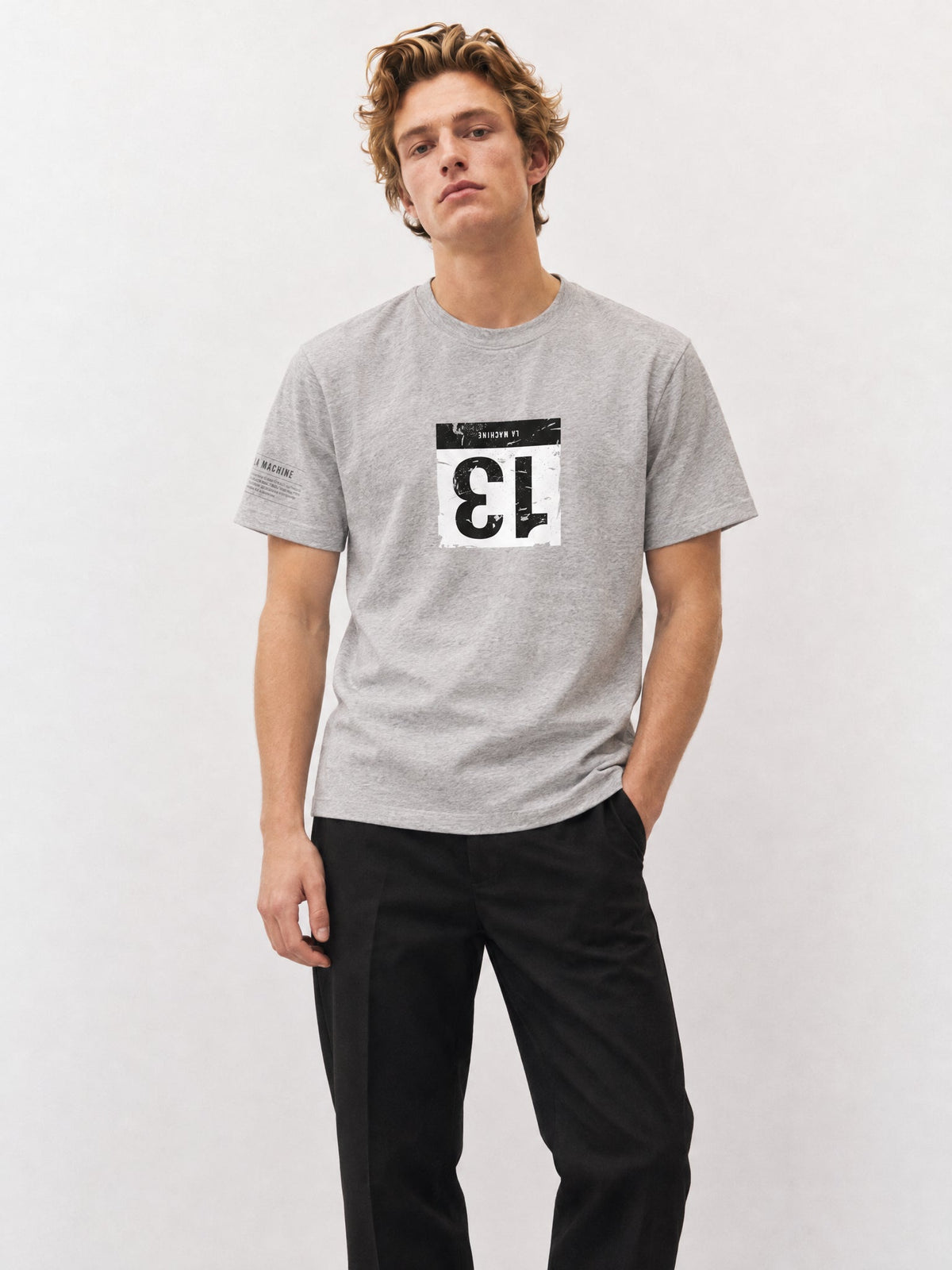
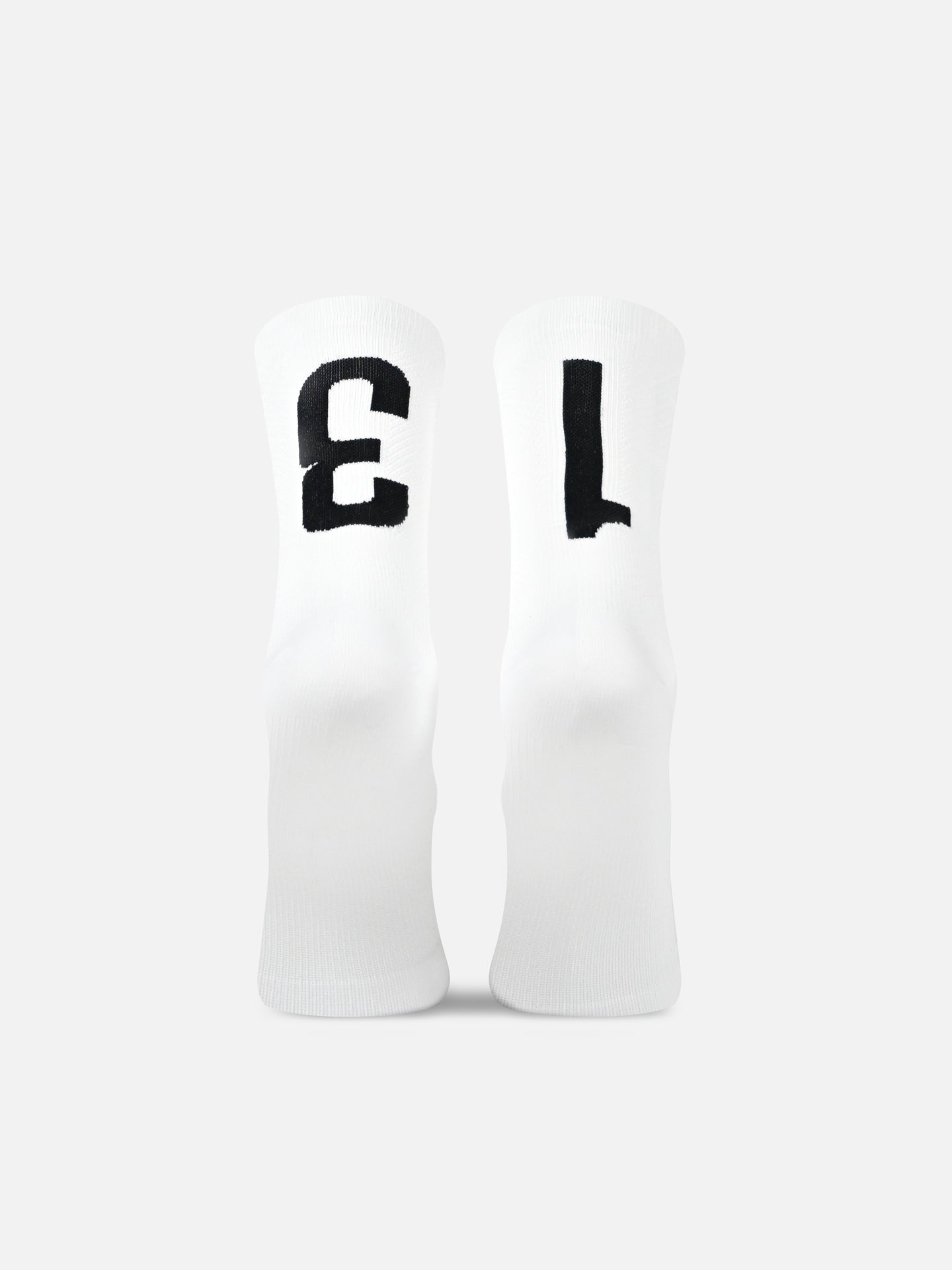
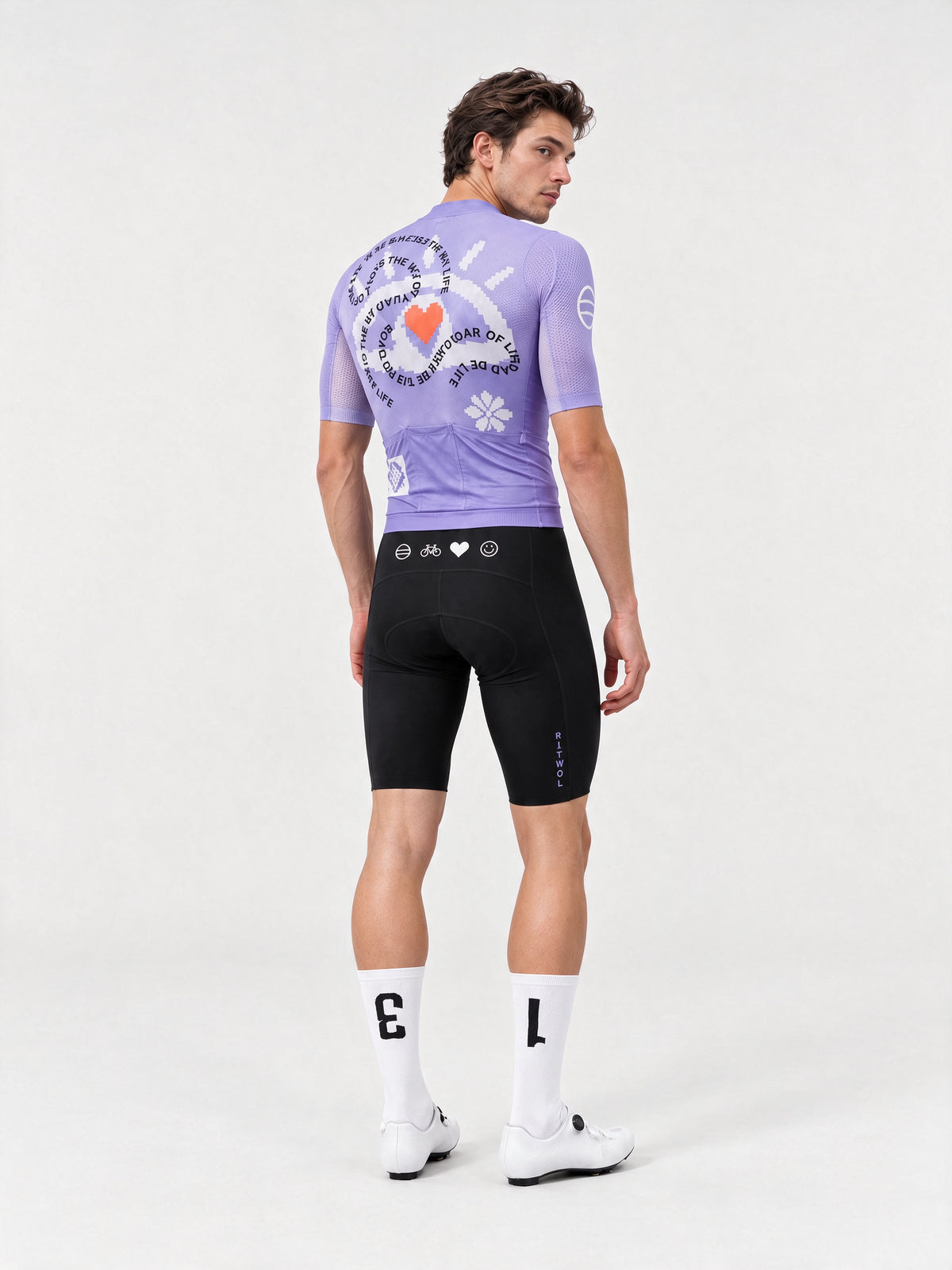
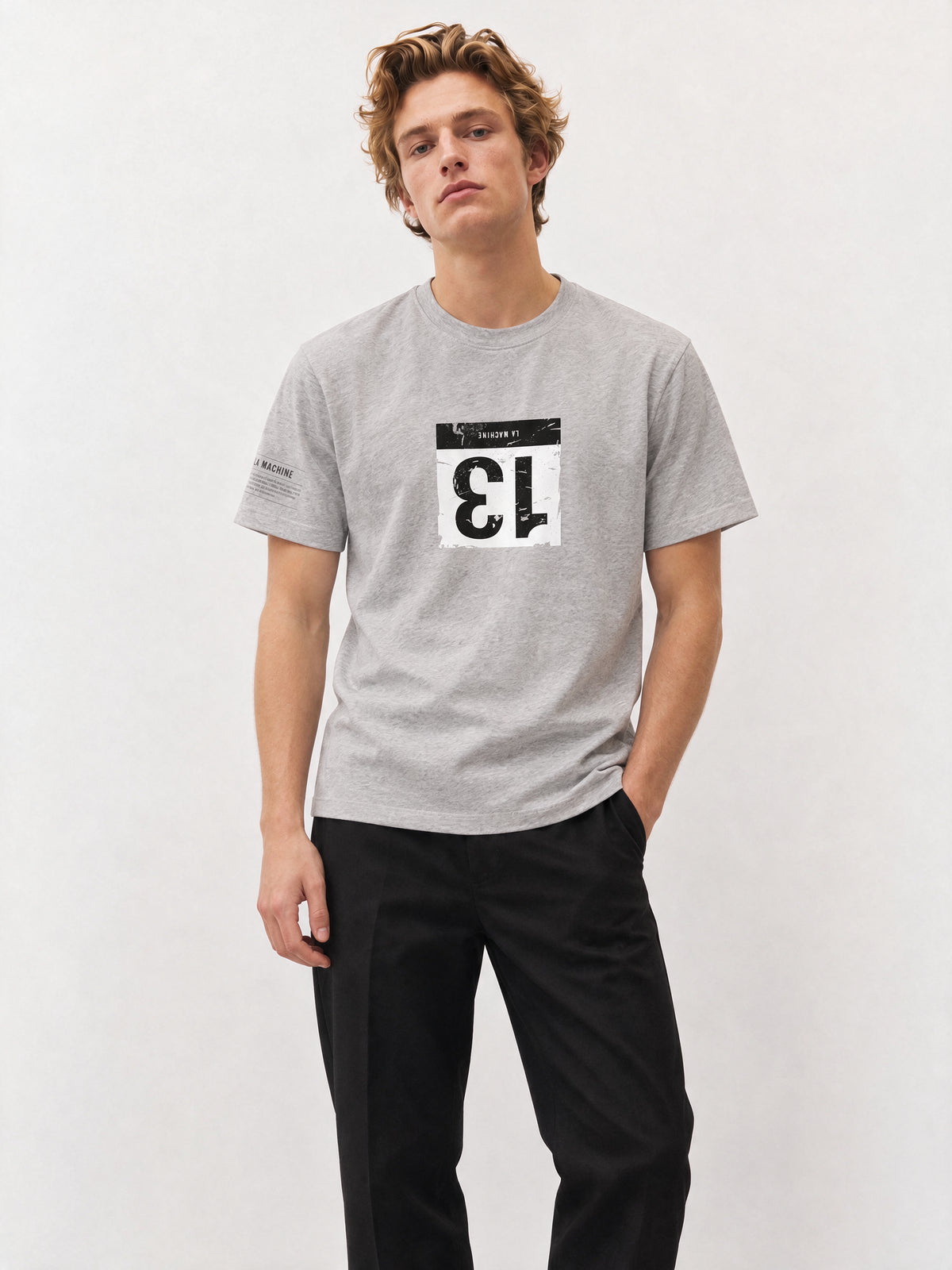
Cyclists pin bib number 13 upside down to cancel out its bad luck. Here is where the habit comes from, who keeps it, and why the flipped 13 became a symbol of cycling culture.
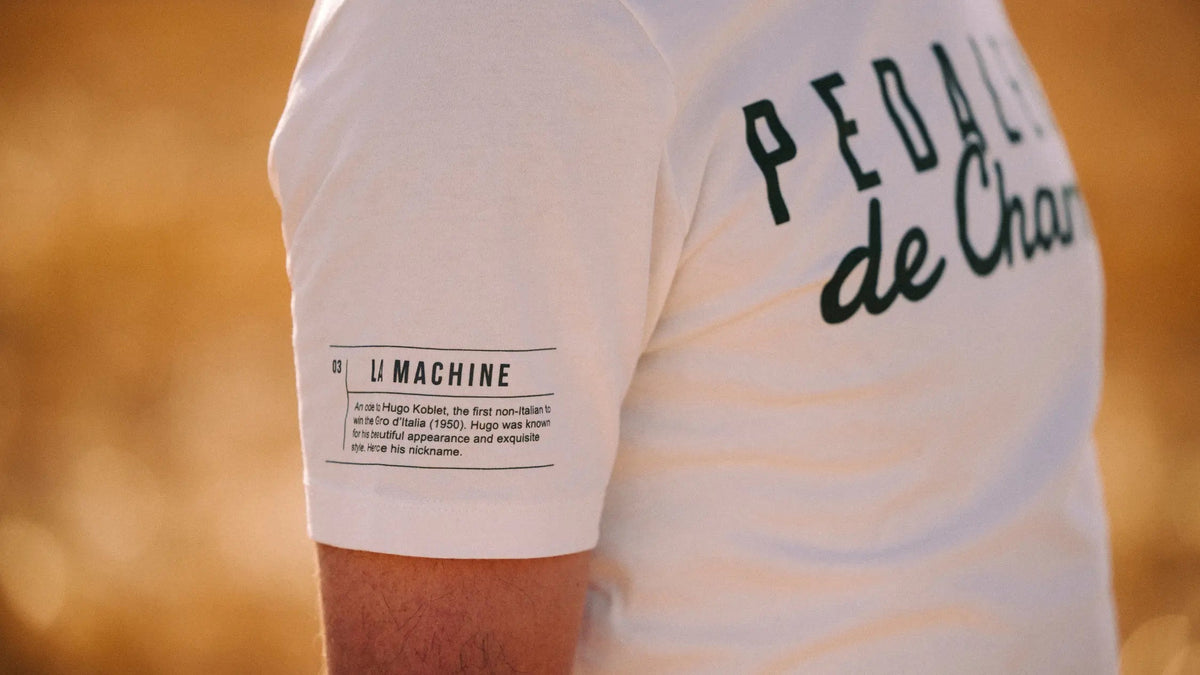
Cycling t-shirts worth owning carry a story. The superstition of bib 13, Hugo Koblet's style and the roadside chant of the Tour, and why fabric matters too.
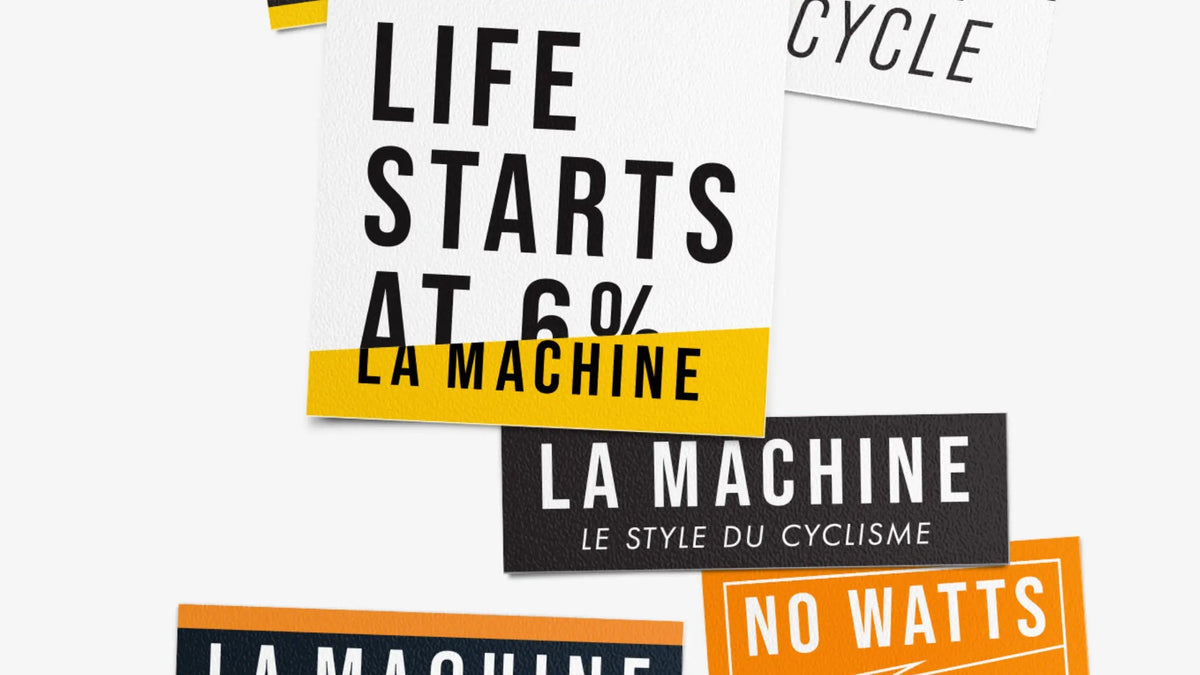
Cycling superstitions are the small rituals riders use to feel in control of a sport full of chance. From the upside-down 13 to the rainbow jersey curse, here is how the peloton keeps its luck.