





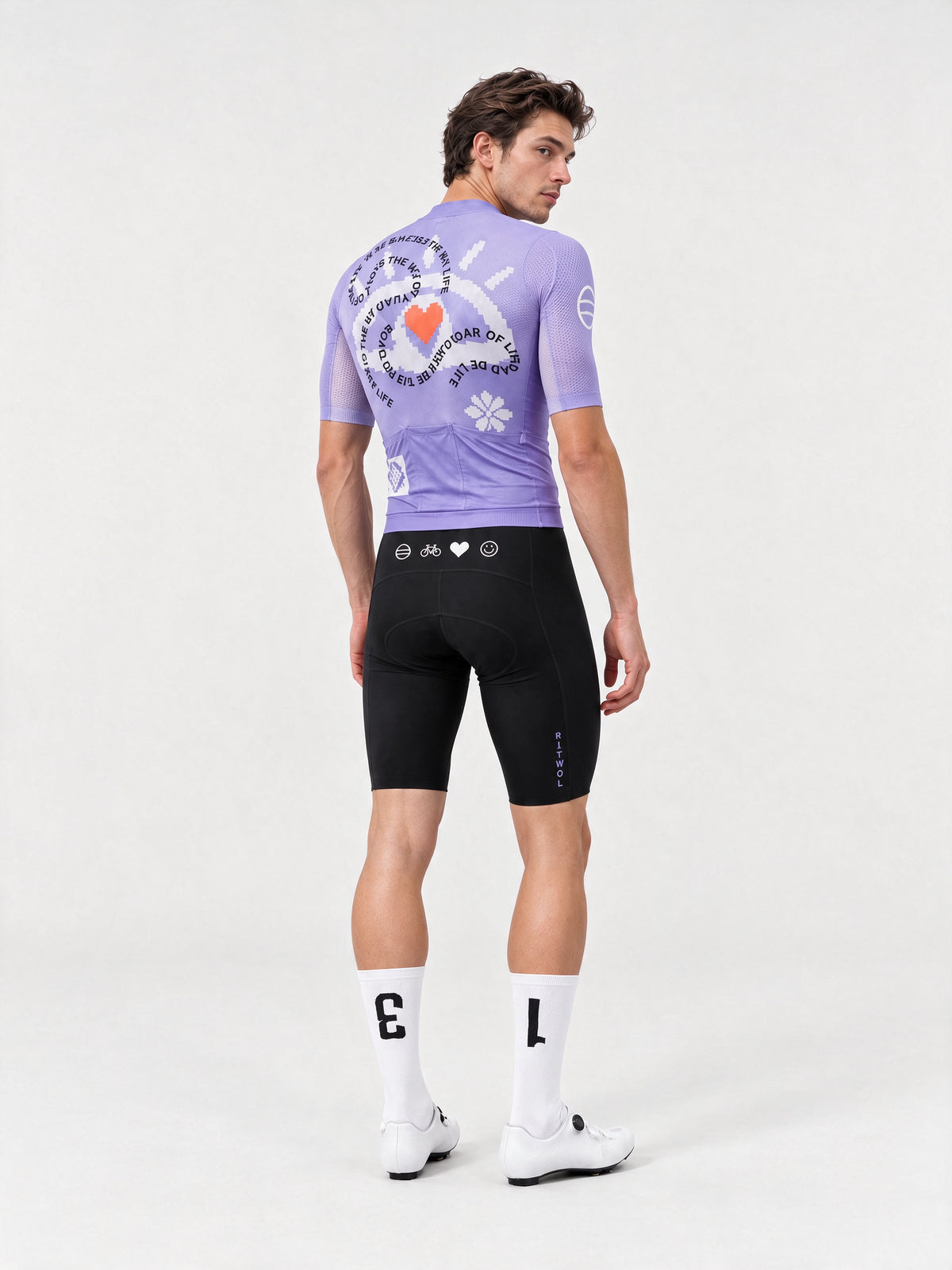

Bib Number 13 Upside Down: The Peloton's Oldest Superstition
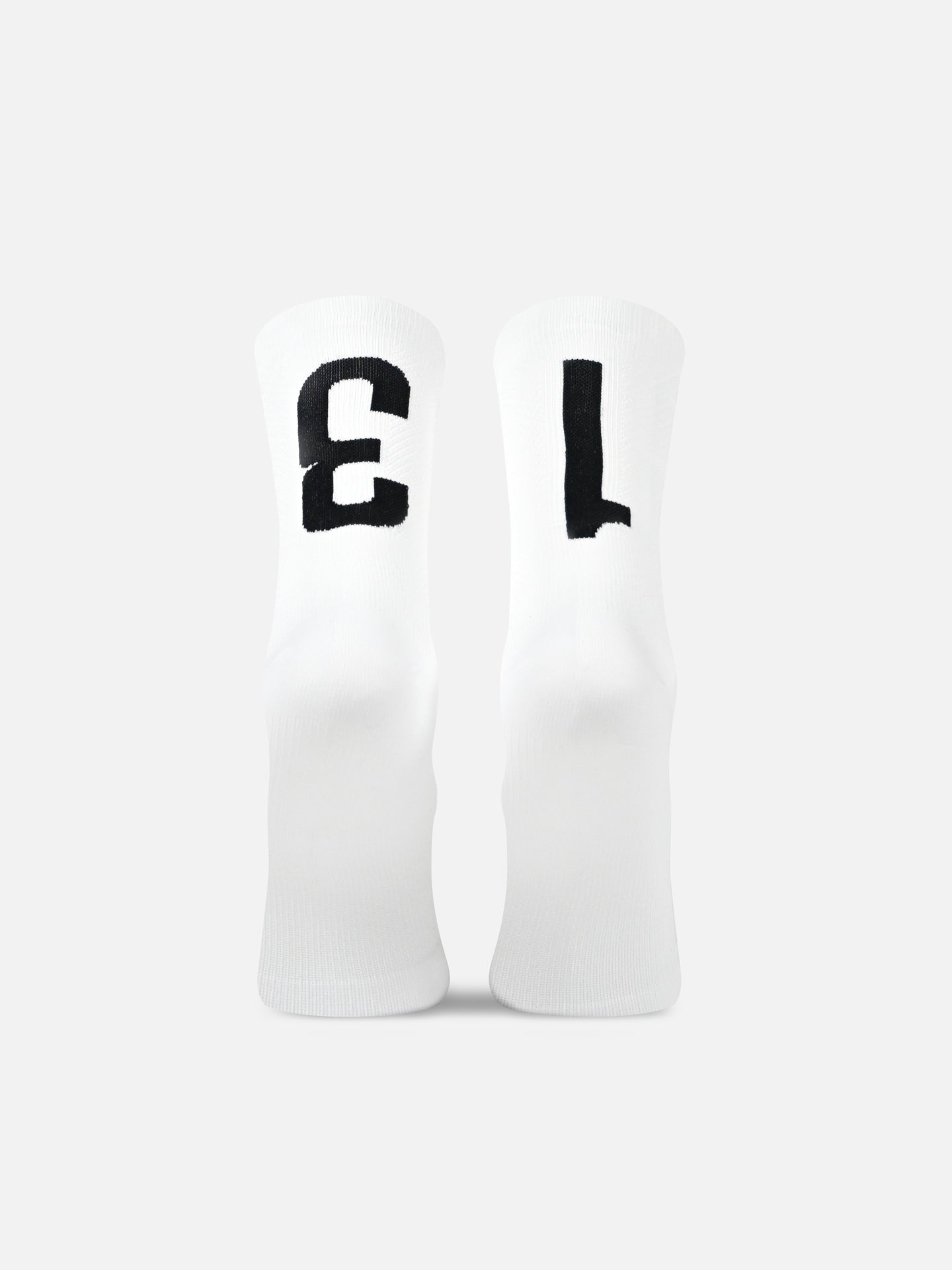
Cyclists pin bib number 13 upside down to cancel out its bad luck. Draw the unlucky number, flip it, and the omen is turned on its head. Some riders do it every time, some refuse on principle, and almost everyone in the peloton has an opinion.
A small square of paper. Four safety pins. More than a century of nerves. Here is why one number still makes riders pause at sign-on.
Why is 13 considered unlucky in cycling?
The fear of thirteen is older than the bicycle. It runs through European folklore, from the thirteen guests at the Last Supper to buildings that skip a thirteenth floor. There is even a word for it: triskaidekaphobia. Cycling simply inherited it.
What cycling added was risk. Road racing has always been a sport of crashes, punctures and bad days nobody can explain. When so much is out of your hands, you guard the little you can control. The number on your back is one of those things.
Why do riders turn the number upside down?
Flipping the 13 is a counter-spell. If the number brings bad luck, wear it the wrong way round and the luck runs the other way. It costs nothing. It takes ten seconds. And it settles the mind before the flag drops.
Pinning is already a ritual. Riders lay the number flat, pin it tight so it does not flap like a sail, and check it twice in the mirror. Turning one number upside down fits right into that quiet, careful routine.

Where did the superstition start?
The honest answer: nobody can point to one moment. Stories travel from team car to team bus, and the details change with every telling. Popular accounts link the habit to early Tour de France riders who drew 13 and met misfortune, but those tales are hard to verify. What we know for sure is what you can see today. The upside-down 13 turns up at Grand Tours, at the Classics and at Sunday club races alike.
Does every rider flip it?
No. Some riders see the flipped number as a sign of nerves and pin it straight to prove a point. Others flip it once, have a good day, and never pin it the right way again. Plenty just shrug. The number is the number. The legs decide the race.
That is the charm of it. The upside-down 13 is not really about luck. It is about the small acts of control riders carry into a sport that offers very few. You see the same thing at the café before the ride: the same order, the same seat, the same tyre check. We collected more of these habits in our guide to cycling superstitions.
How did number 13 become a symbol?
Over time, the flipped 13 went from private ritual to public signal. To anyone who knows, it says: I have pinned a number, I know the codes. To anyone who does not, it is a small mystery worth asking about. That is exactly the kind of detail we love.
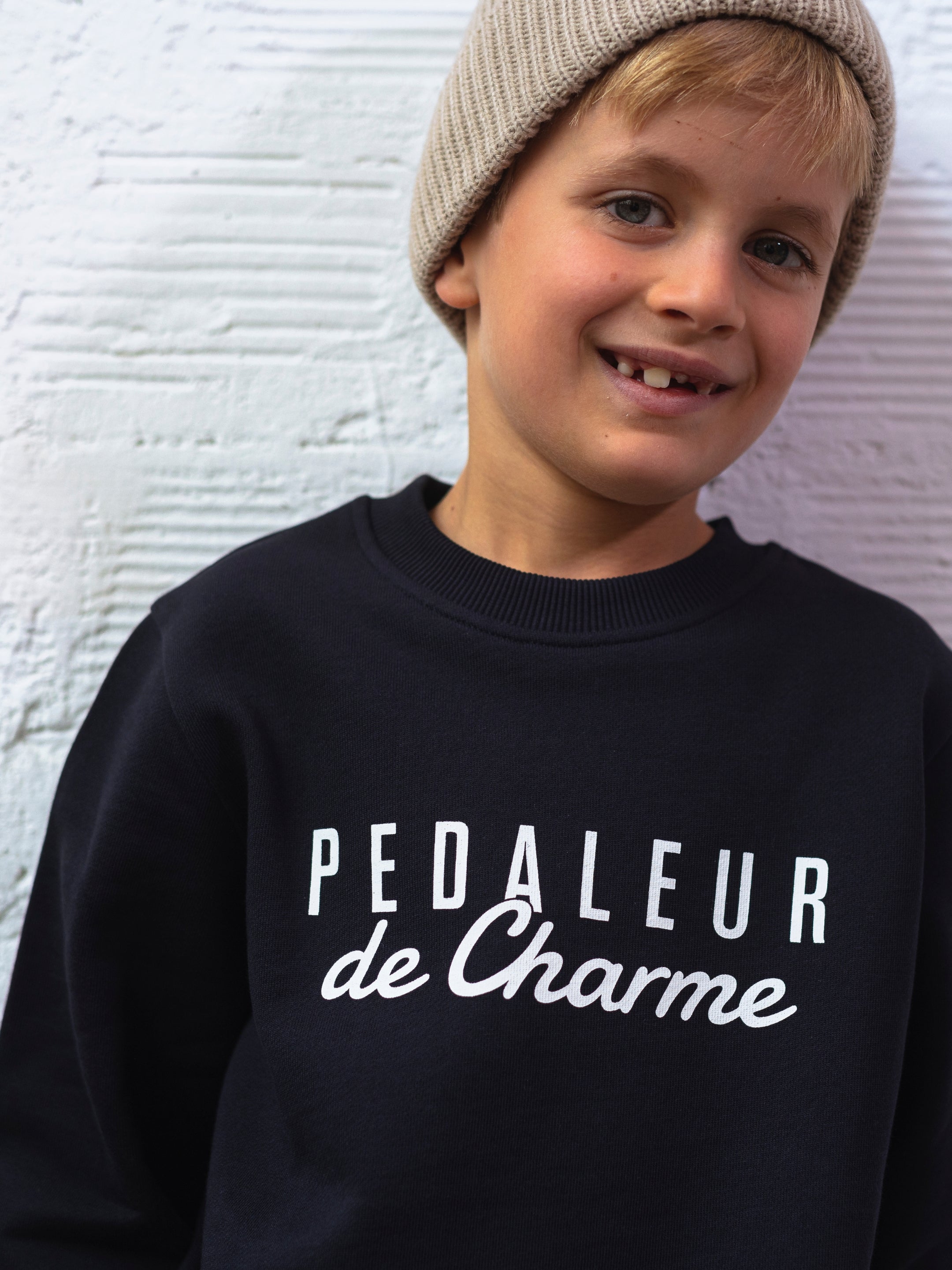
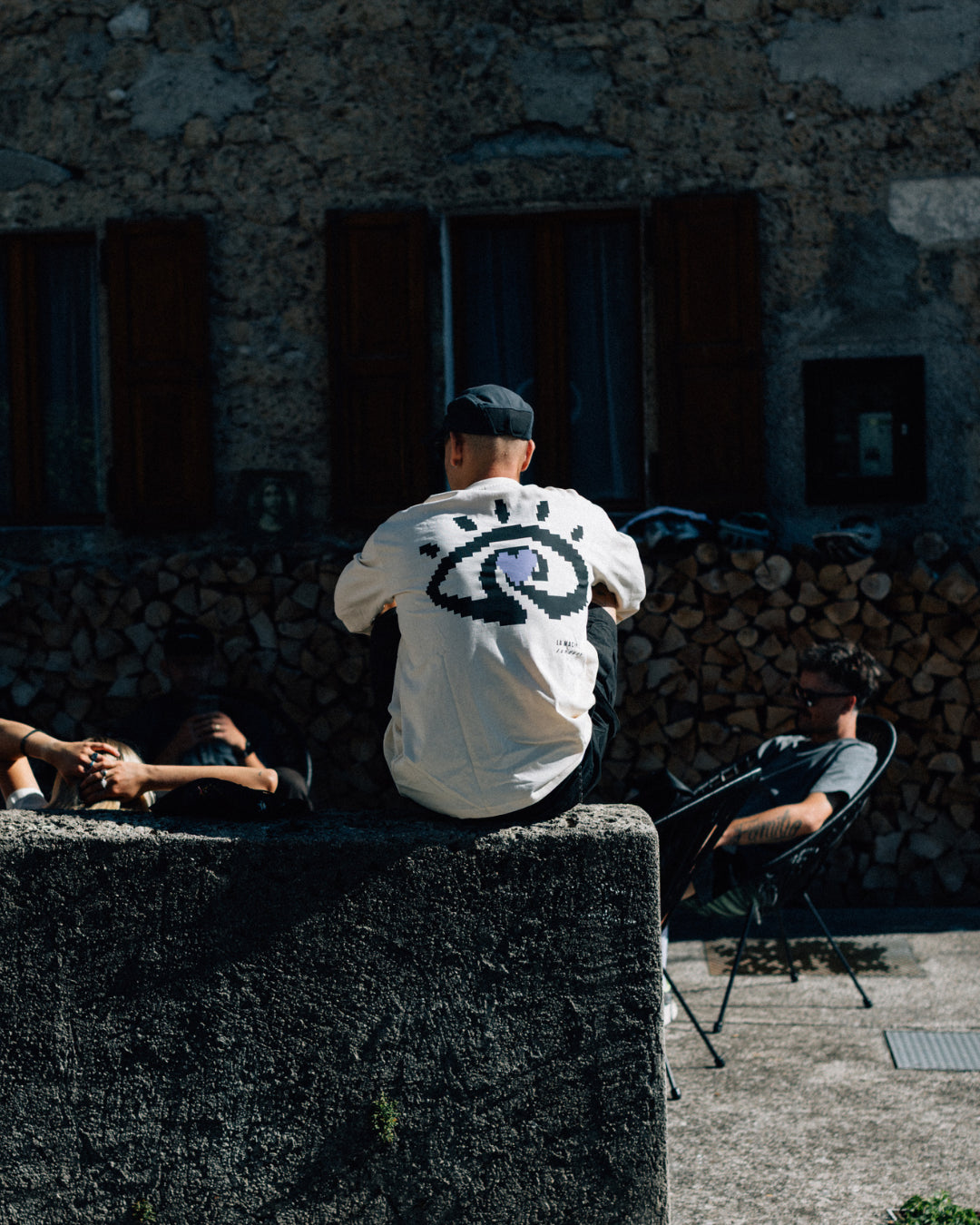
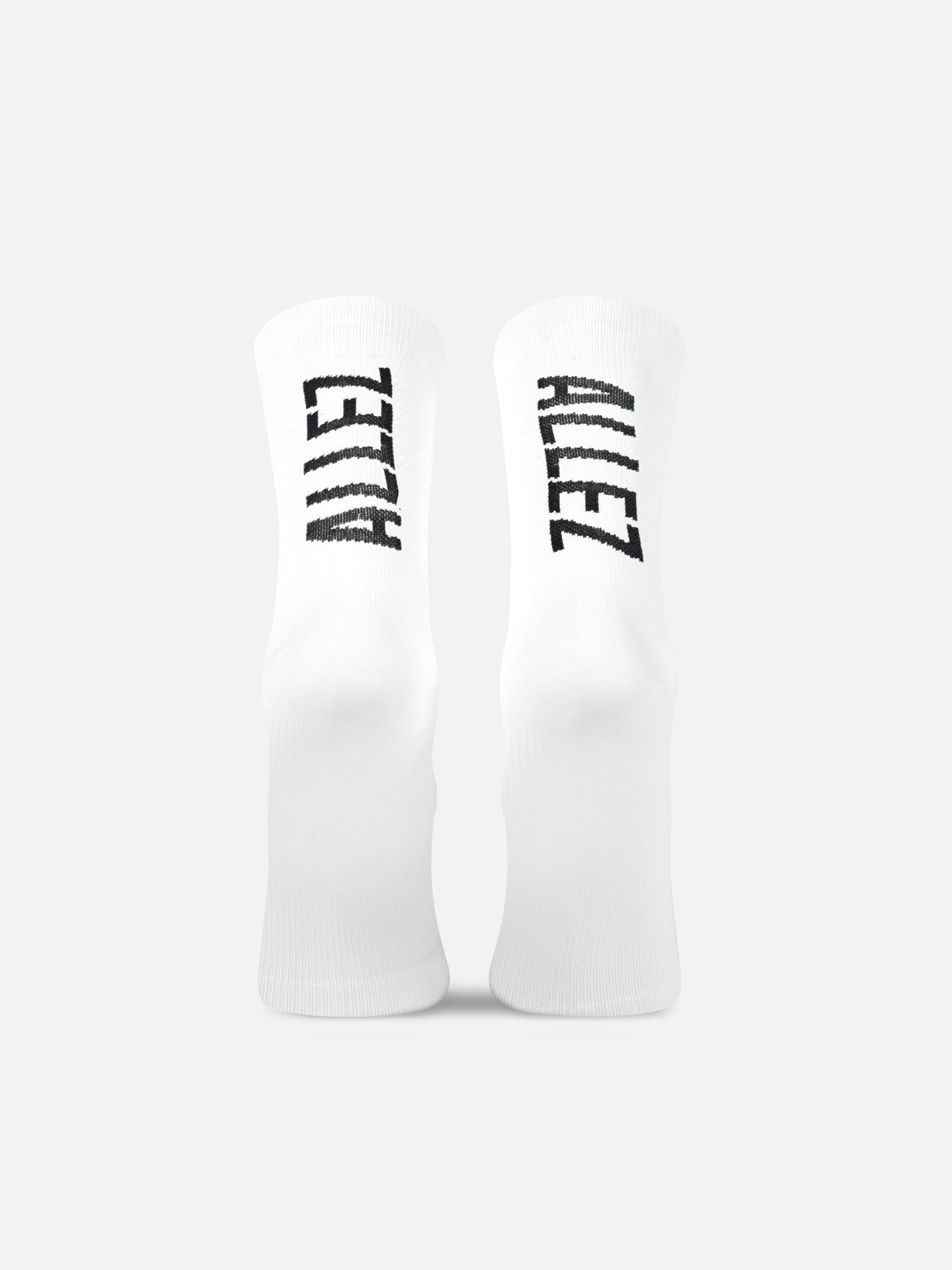
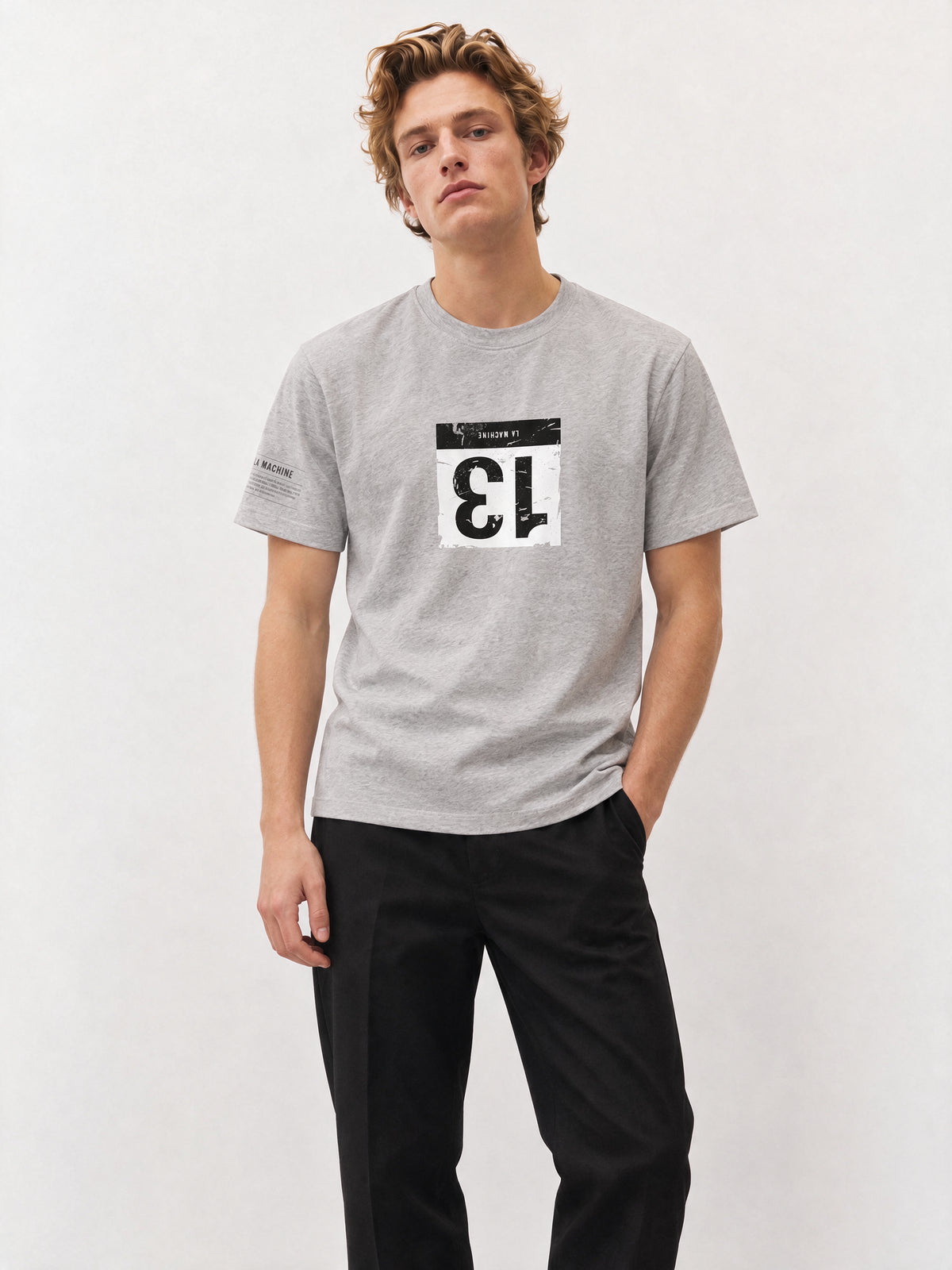
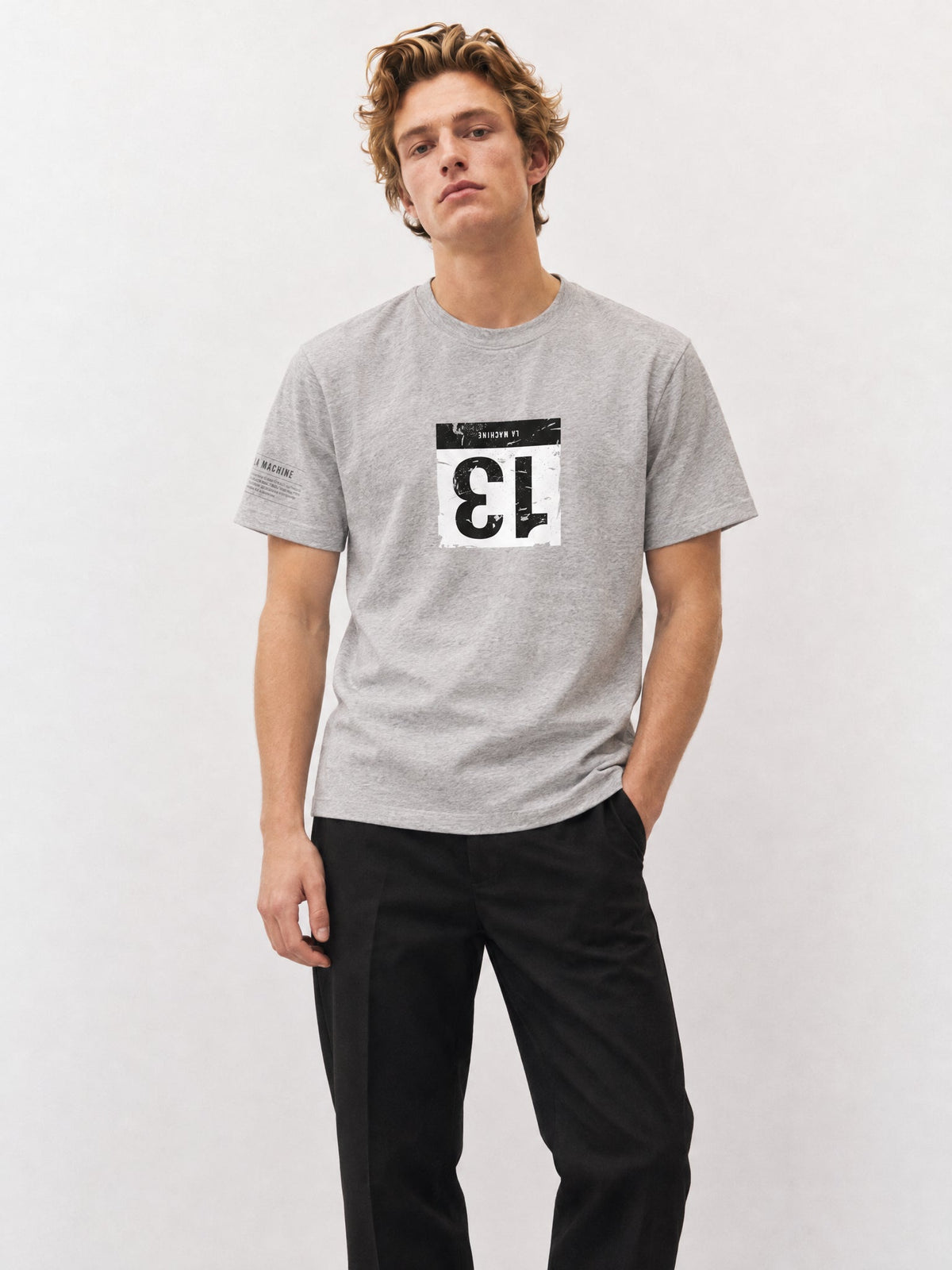
It is why Bib Number 13 is a story we keep coming back to. You will find it on the Bib Number 13 T-shirt, on cycling socks for the club run, and on a poster for the wall above the bike.

Wearing 13 off the bike
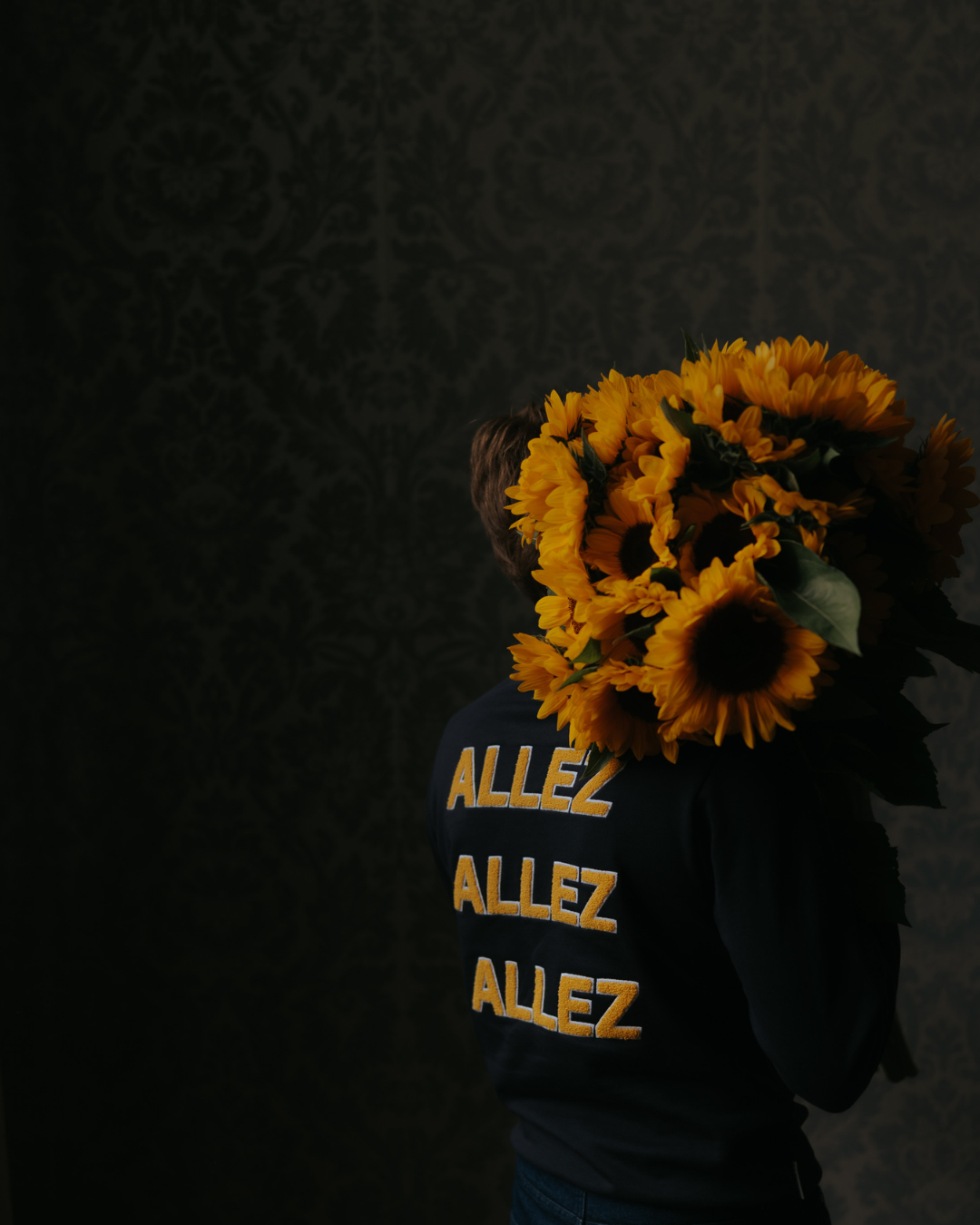
A race number belongs to race day. The story behind it belongs to every day. Off the bike, 13 becomes a quiet badge for the café, the commute and the long weekend. Our Lucky 13 zipped hoodie takes the same idea into autumn and winter.
We design everything in-house and make it in small runs in trusted family-run ateliers in Portugal and Turkey. Fewer pieces, better made, worn longer. That is what off-bike apparel means to us: cycling culture you can live in.
FAQ
Is it bad luck to get bib number 13 in a bike race?
Only if you believe it. Many riders flip the number upside down to cancel the omen, while others pin it straight and get on with racing. The result sheet does not care either way.
Can you pin your race number upside down?
Riders do it at amateur and professional races alike. Keep the number clearly visible for the officials and the timing team, and if you are unsure, ask the organiser at sign-on.
What does an upside-down 13 mean on a T-shirt?
It is a nod to the superstition. Anyone who has pinned a race number will recognise it straight away.
Pin it straight or pin it flipped. We're here for the long ride.
Read more
Cyclocross is Belgium’s winter religion. What the sport is, why Flanders loves it, what race day feels like and what to wear on the tape.
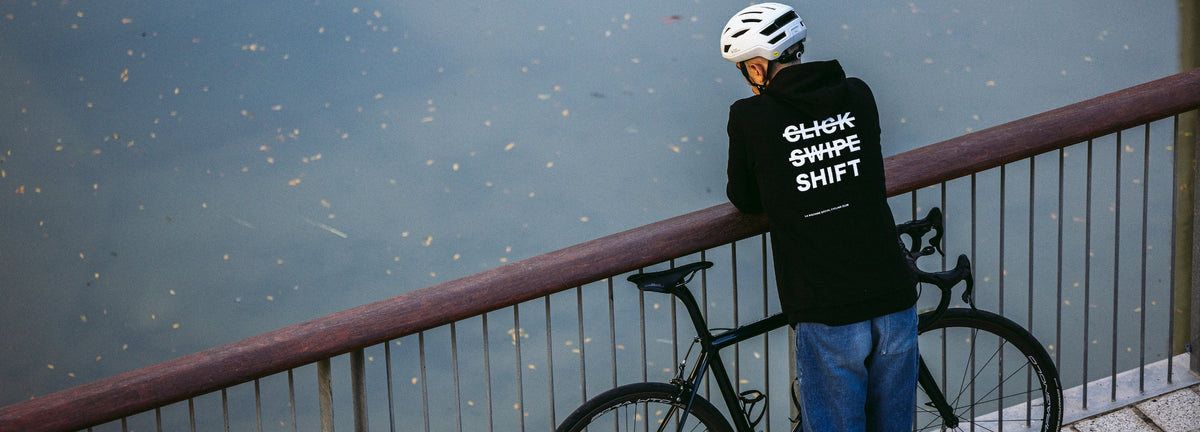
What makes a good cycling hoodie for life off the bike: heavyweight fabric, a fit cut for a rider's frame, practical details and a design with meaning.




Leave a comment
This site is protected by hCaptcha and the hCaptcha Privacy Policy and Terms of Service apply.