





Hugo Koblet: The Pedaleur de Charme Who Raced With Style
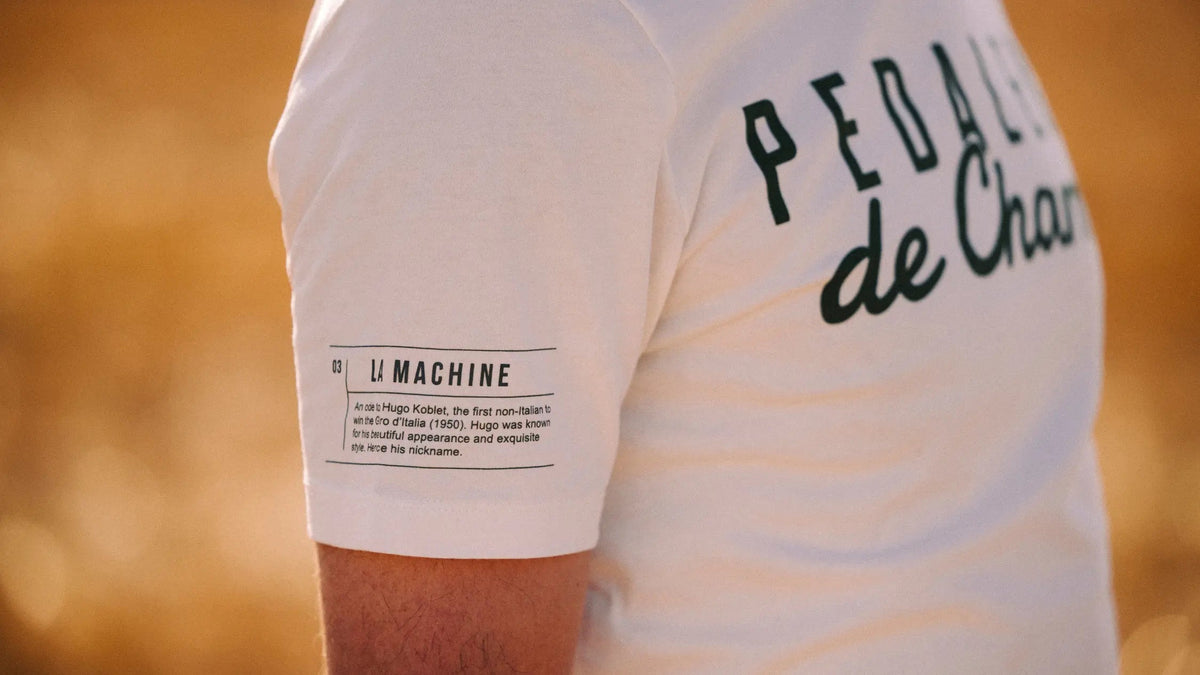
Hugo Koblet was a Swiss cyclist who won the 1950 Giro d'Italia and the 1951 Tour de France, riding with such ease and elegance that he was called le pédaleur de charme. He was the first rider from outside Italy to win the Giro. More than seventy years on, he is still the rider people mean when they talk about style on a bike.
Who was Hugo Koblet?
Koblet was born in Zürich in 1925. He made his name on the track before turning to the road, and in the early 1950s he rose to the very top of the sport. Switzerland was living a golden age. His compatriot Ferdi Kübler won the Tour de France in 1950, and Koblet won it the following year. Two Swiss riders, two very different temperaments. Kübler raced with fire. Koblet seemed to float.
What did Hugo Koblet win?
In 1950 Koblet won the Giro d'Italia, breaking the Italian hold on their own race. A year later he won the Tour de France at his first attempt. Two Grand Tours in two seasons, and a name the whole of Europe now knew.
The 1951 Tour sealed the legend. On the stage to Agen he attacked alone, far from the finish, and held off a chasing group full of the biggest names of the day. It is the kind of ride people still retell: long, solo and somehow calm.
What was racing like in Koblet's time?
Raw. Steel bikes, wool jerseys heavy with sweat, rough roads over the high passes and spare tyres wrapped around the shoulders. Riders raced long stages with little support and less comfort. Most of the photos from that era show faces caked in dust and pain.
Against that backdrop, Koblet looked like he had arrived from another sport. Groomed, composed, smiling for the cameras. The contrast is what made him unforgettable.

Why was he called the Pedaleur de Charme?
Because he made it look beautiful. Smooth pedalling, a quiet upper body, not a hair out of place. The story goes that he kept a comb in his jersey pocket and tidied his hair before crossing the finish line, knowing the photographers were waiting. Some versions add a sponge and a splash of cologne. True in every detail or not, the image stuck.
The nickname captured something new. Early Tour riders were described as the forçats de la route, the convicts of the road, suffering in the dust. Koblet showed you could suffer and still look composed. Style was not vanity. It was control.
What happened to Hugo Koblet?
His peak was brief. Health problems and lost form followed in the years after 1951, and he never again ruled a Grand Tour the way he had. He died in a car crash in 1964, aged 39. The shortness of his story is part of why it still shines: a few golden seasons, and a style nobody forgot.

What does Koblet teach us today?
That how you ride matters as much as where you finish. That calm is a kind of strength. That you can take the sport seriously without taking yourself too seriously. Comb in the pocket, legs on fire, face relaxed. Few riders since have carried it off so well.
Why the Pedaleur de Charme matters to us
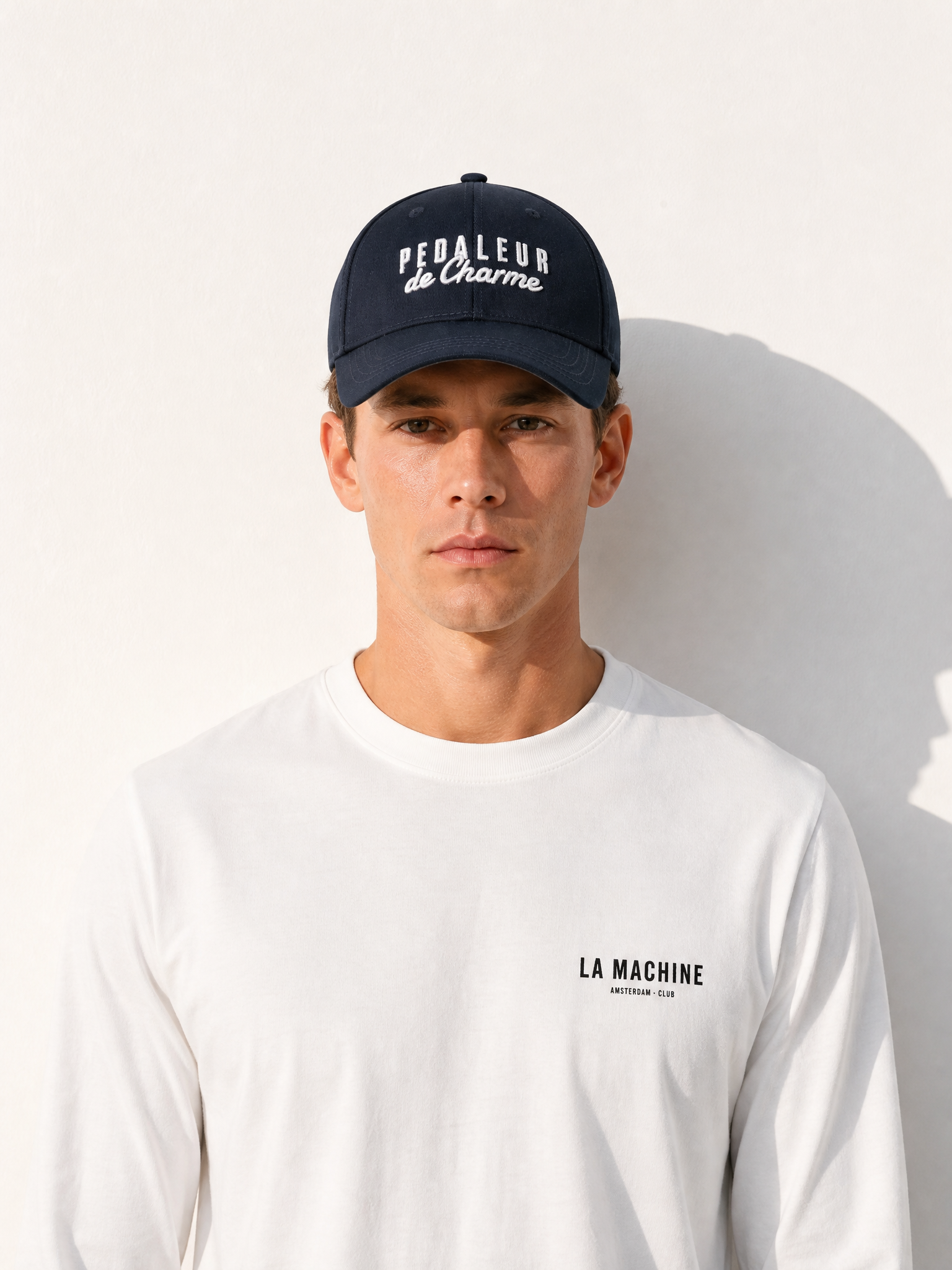
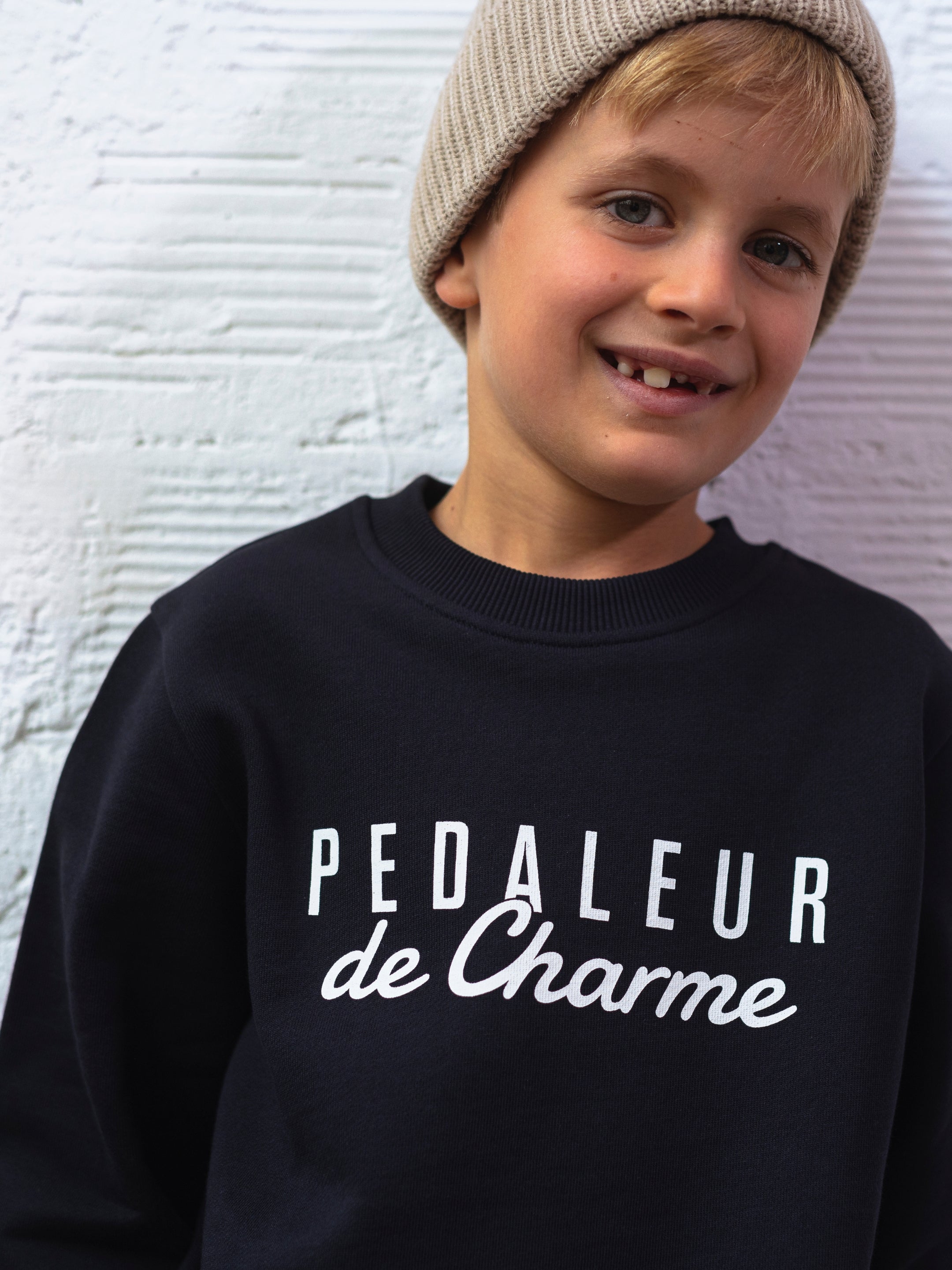
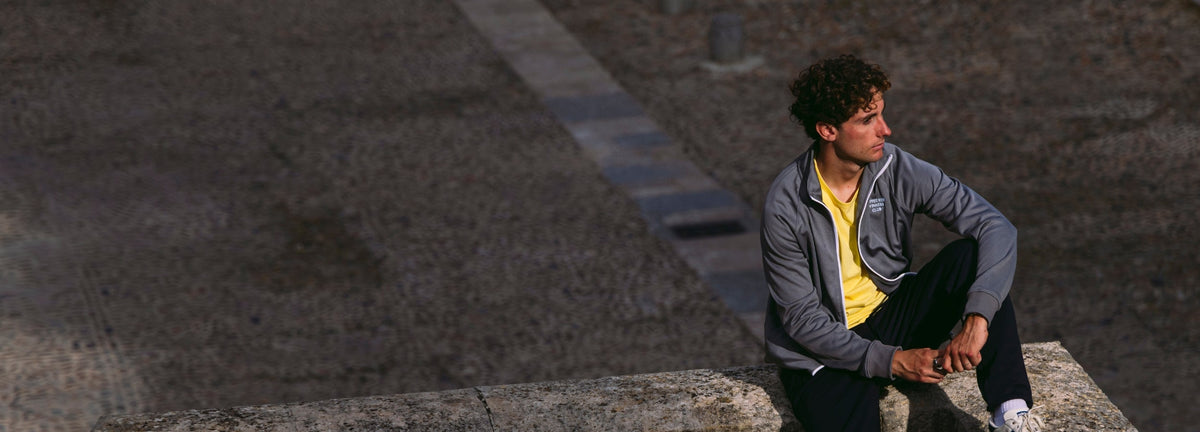
Koblet is the spirit behind one of our most loved stories. Our Pedaleur de Charme collection carries his nickname on a navy sweatshirt, T-shirts and caps, made for the café, the train home and the evening walk. There is a Petit version for the next generation, too.
Charm, not noise. Elegance that lasts. Small runs from trusted ateliers, made to be worn for years. That was the Koblet way, and it is ours.

FAQ
What does pédaleur de charme mean?
Roughly "the charming pedaller". It describes a rider who makes racing look effortless and elegant.
Did Hugo Koblet win the Tour de France?
Yes. He won the 1951 Tour de France, a year after winning the 1950 Giro d'Italia.
Was Hugo Koblet the first non-Italian to win the Giro?
Yes. His 1950 victory made him the first rider from outside Italy to win the Giro d'Italia.
Ride with charm. Bienvenue à La Machine.
Read more

Cycling superstitions are the small rituals riders use to feel in control of a sport full of chance. From the upside-down 13 to the rainbow jersey curse, here is how the peloton keeps its luck.
December is the off-season for road riders and peak season for cyclocross. These Christmas gift ideas keep cyclists warm, comfortable and dreaming of spring.




Leave a comment
This site is protected by hCaptcha and the hCaptcha Privacy Policy and Terms of Service apply.