




Cycling Cap History: The Casquette From Sponsor Panel to Style
The cycling cap, or casquette, began as practical race kit: a light cap with a short peak to keep sun, rain and sweat out of a rider's eyes. Over the decades it became a moving billboard for team sponsors. Once helmets took its place in the race, it became something else entirely: an icon of cycling style, worn far from the peloton.
Why did cyclists start wearing caps?
For most of racing history, riders raced without hard helmets. A cotton cap was the main thing between the rider and the weather. The short peak shaded the eyes without blocking the view up the road. The fabric soaked up sweat on the climbs and took the edge off a light shower. When it was not needed, it folded into a pocket.
Riders learned to use the peak, too. Flip it up on a climb to see the road ahead and let air in. Pull it down into a low sun or a headwind. Small moves, passed from older riders to younger ones on long training rides.
How did the cap become a sponsor billboard?
Once teams carried commercial sponsors, every surface of kit became space for a name. The cap was ideal. It sat at camera height on the podium, in start-line photos and in the next morning's newspaper. Crowns and peaks filled with the names of coffee roasters, ice cream makers, appliance firms and bike builders.
Fans followed. A team cap was an easy way to wear your team: at the roadside, at the café, on the Sunday club run. That is where the casquette began to cross from race kit into everyday life. Our IJsboerke cycling cap is a nod to that era of Belgian team kit, when an ice cream brand could be as famous as its riders.

What happened to the cap when helmets became compulsory?
Helmets became mandatory in professional road racing in 2003. The cap lost its place on top of the head during the race, but it did not disappear. Riders kept wearing caps under their helmets in rain and cold, the peak keeping water off their glasses. And off the bike, at the start village, on the podium and in front of the cameras, the cap stayed part of the uniform.
If anything, the helmet made the cap more meaningful. It was no longer required. Riders wore it because they wanted to. That is the moment a piece of kit becomes a piece of culture.
How did the casquette become street style?
Free from the race, the cap could become something new. Couriers, commuters and club riders wore it every day. Designers took notice of the short peak, the soft crown and the bold colour panels. The casquette turned into a quiet signal: this person rides.
Retro team designs played their part. Old sponsor names, once pure advertising, became nostalgia. A cap from a team that raced decades ago now says something about taste and memory, not about the product on the peak. That is heritage doing its quiet work.
It still works because of its proportions. The short peak sits close to the face. The crown is low and soft. It looks right with a tee, a sweatshirt or a jacket, and it fits in a back pocket on the way to the café.

Cycling caps and casual caps today
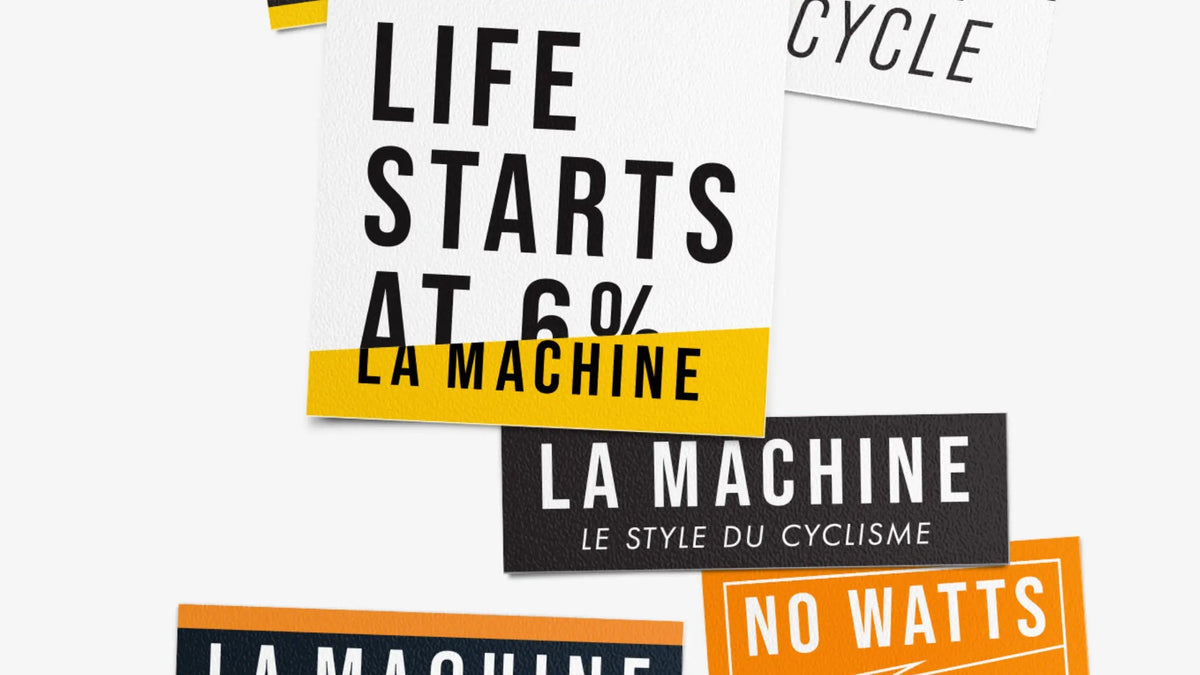
We make both. Our cycling caps keep the classic short peak, with designs like No Watts No Glory and Life starts at 6%. Our casual caps carry the same cycling soul in a more everyday shape.
Not sure how to wear one? Our guide on how to wear a cycling cap covers peak up, peak down and everything in between.

FAQ
What is a cycling cap called?
A casquette, the French word for cap. You will also hear cotton cap, or simply cycling cap.
Why is the peak of a cycling cap so short?
So it shades the eyes without blocking the view up the road when a rider is low over the handlebars.
When did pro cyclists stop racing in caps?
When helmets became compulsory in professional road racing in 2003. Caps stayed on under helmets and on the podium.
Peak up or peak down. We make off-bike life iconic for cyclists.
En lire plus
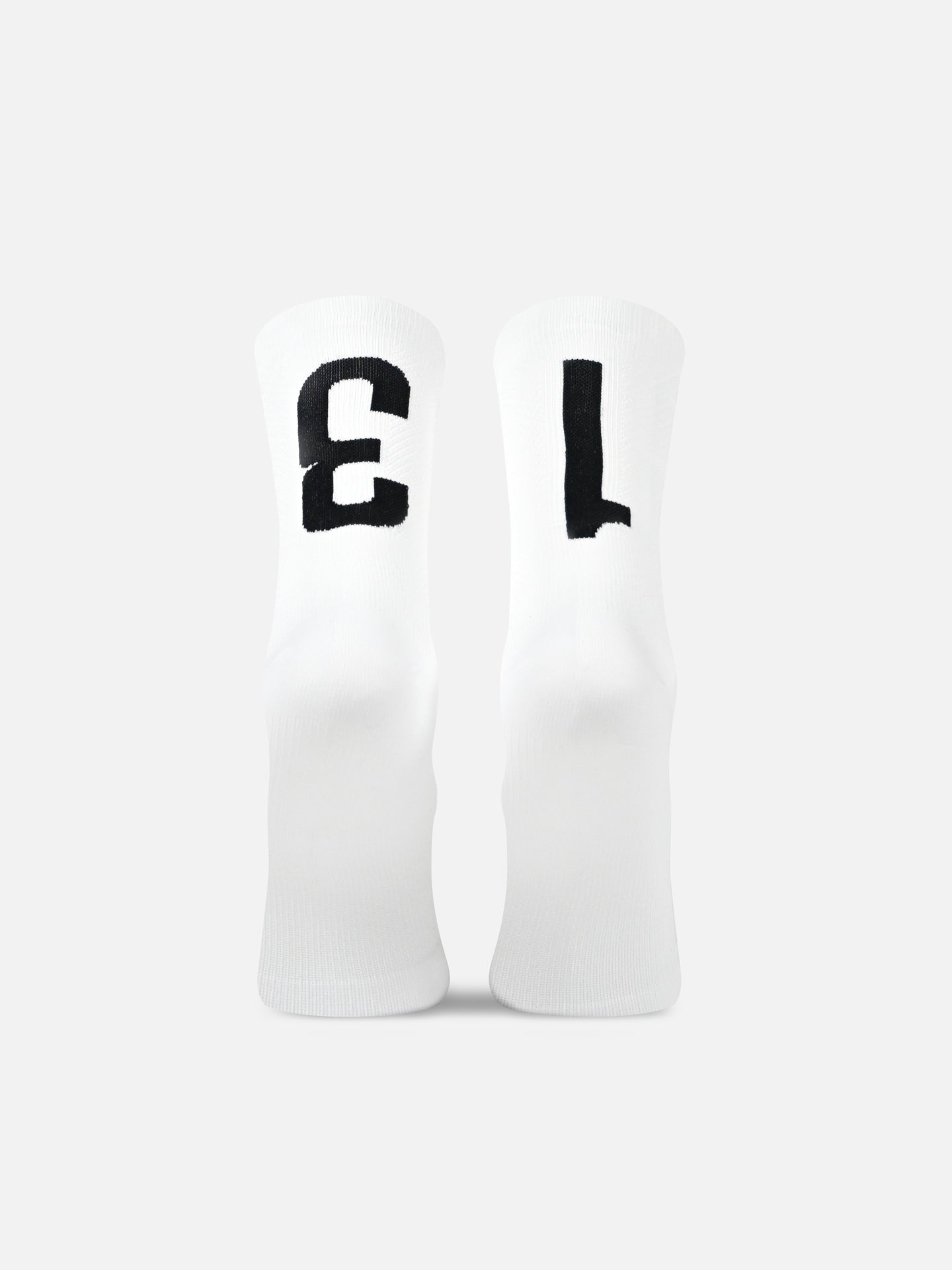
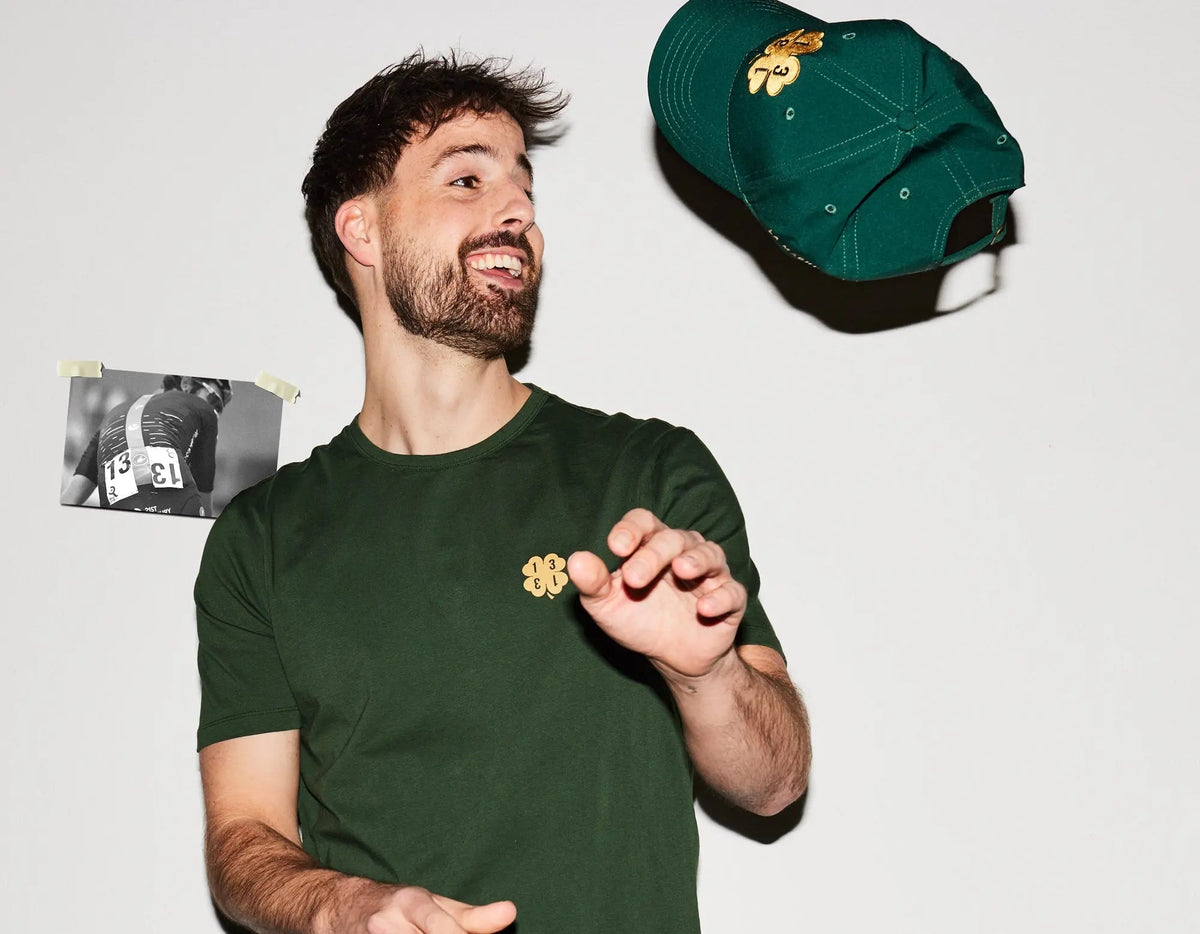
Cycling superstitions are the small rituals riders use to feel in control of a sport full of chance. From the upside-down 13 to the rainbow jersey curse, here is how the peloton keeps its luck.
December is the off-season for road riders and peak season for cyclocross. These Christmas gift ideas keep cyclists warm, comfortable and dreaming of spring.




Laisser un commentaire
Ce site est protégé par hCaptcha, et la Politique de confidentialité et les Conditions de service de hCaptcha s’appliquent.