





Cycling Slang: An A to Z of Peloton Terms
Cycling slang is the private language of the peloton. Much of it is French, some Italian, some Flemish, and some invented on a Sunday club ride. Learn it and the race commentary makes sense, the café stop gets funnier, and you sound like you have been riding for years.
Here is our A to Z of the terms we hear most, plus a few we simply love.
A to E: from autobus to echelon
Attack. A sudden acceleration to get away from the group.
Autobus. The big group of sprinters and non-climbers who ride together on mountain stages, aiming to finish inside the time cut. Also called the gruppetto.
Bidon. The water bottle. French, and universal.
Bonk. Running out of energy completely, usually because you did not eat enough. British riders also call it the hunger knock.
Café stop. The coffee break mid-ride. For many club riders, the real purpose of the ride.
Chasse patate. The lonely, usually hopeless chase between the breakaway and the peloton. Literally a potato chase. Read the full chasse patate meaning.
Directeur sportif. The team's sports director, usually driving the team car and giving orders over the radio.
Domestique. A rider who works for the team leader: fetching bottles, chasing, sheltering them from the wind. Our guide explains what a domestique does.
Echelon. A diagonal line of riders formed in a crosswind, each sheltering beside the rider ahead. See echelons explained.
F to J: from flamme rouge to jour sans
Flamme rouge. The red kite marking the final kilometre. More in our piece on the flamme rouge.
Grimpeur. A climber. Light, wiry and happiest when the road tilts up.
Gruppetto. Italian for little group. See autobus.
Half-wheeling. Riding half a wheel ahead of your partner and nudging the pace up. The fastest way to lose a training partner.
Hors catégorie. Beyond category. A climb too hard to fit the usual category scale.
Jour sans. A day without. The day the legs simply do not show up.

K to O: from KOM to on the rivet
KOM. King of the Mountains. The climbers' classification in a race, and the fastest time on a climb segment online.
Lanterne rouge. The last rider overall in a stage race. Named after the red lamp at the back of a train.
Musette. The cotton feed bag handed up at the feed zone. Read what a musette is.
Neo-pro. A rider in their first years as a professional.
On the rivet. Riding flat out. Old leather saddles had a rivet at the nose, and a rider pushing hard slid forward onto it.
P to T: from palmarès to tifosi
Palmarès. A rider's record of wins and results.
Pavé. Cobblestones. The stuff of Flanders and Roubaix.
Peloton. The main group of riders. From the French for a little ball, or a platoon.
Puncheur. A rider built for short, steep climbs. The Cauberg in the Amstel Gold Race is puncheur territory.
Rouleur. A strong all-rounder on flat and rolling roads. Hours at the front, no complaints.
Soigneur. Team staff who look after riders: massage, food, bottles, a dry jacket at the finish.
Souplesse. Smooth, effortless pedalling. You know it when you see it.
Tête de la course. The head of the race.
Tifosi. Passionate Italian fans, and by extension passionate fans anywhere.

U to Y: from up the road to yellow jersey
Up the road. Ahead of the peloton. A rider up the road is in the break.
Voiture balai. The broom wagon. The vehicle at the back of the race that sweeps up riders who abandon.
Wheelsucker. A rider who sits on wheels and never takes a turn at the front. Every group has one.
Yellow jersey. The maillot jaune, worn by the leader of the Tour de France.
Why does cycling have so much French slang?
Because so much of the sport grew up in France and Belgium. The Tour de France began in 1903, and its vocabulary travelled with it. Italian came with the Giro and the tifosi. English-speaking riders added their own, like bonk and half-wheeling. Today the peloton speaks all of them at once.
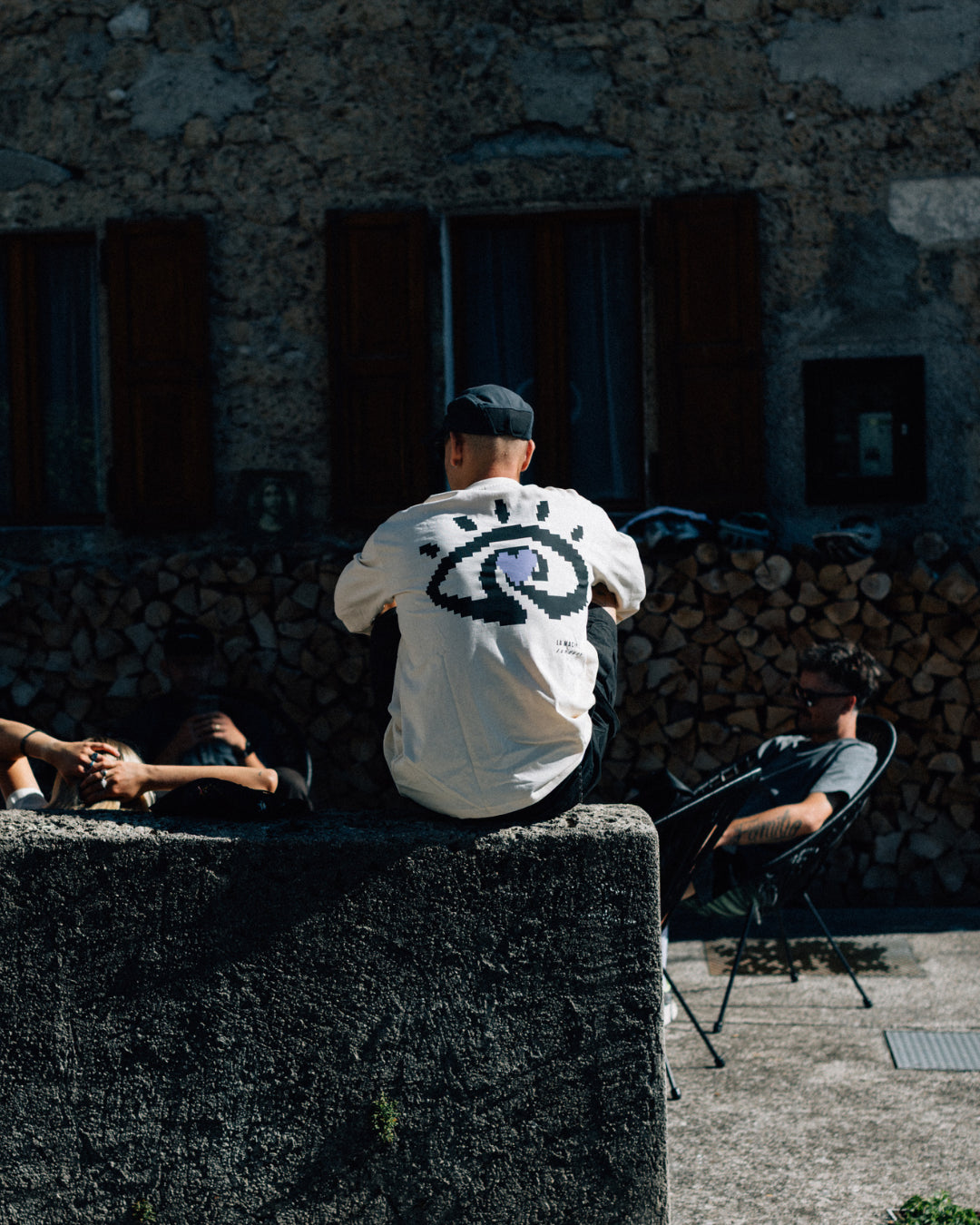
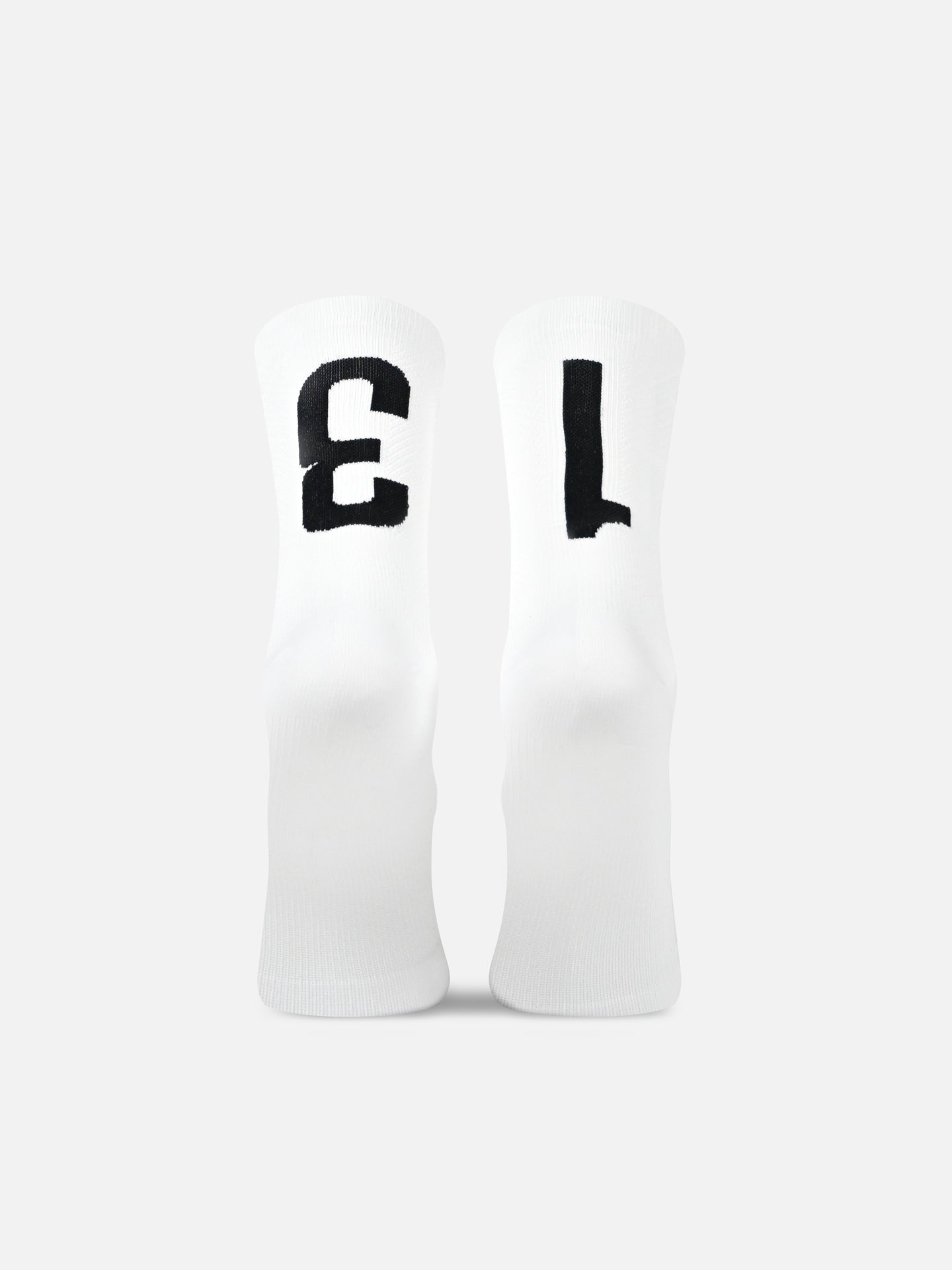
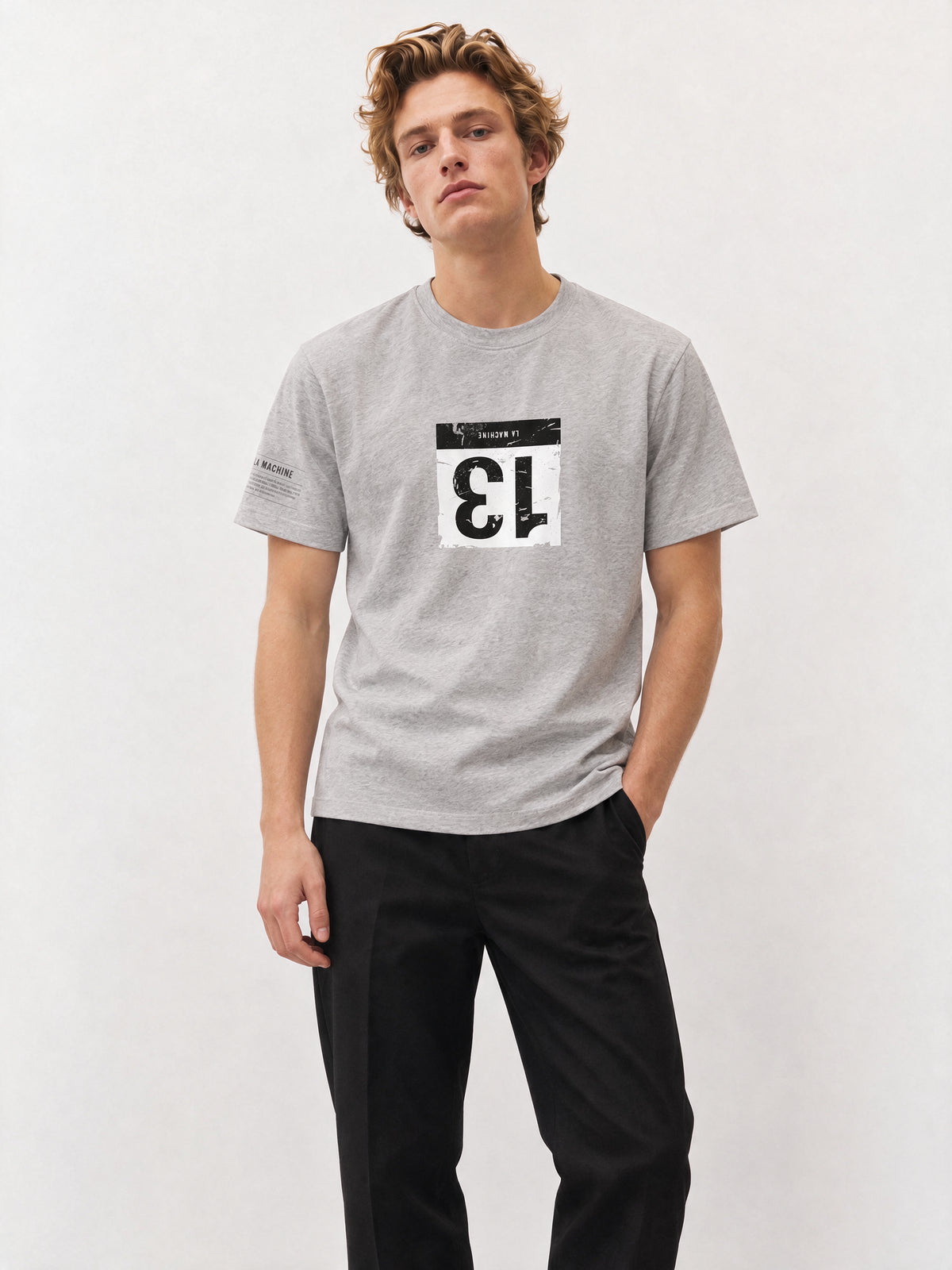
The words travel off the bike too. You will find plenty of them on our t-shirts, from Domestique to Chasse Patate to Bib Number 13.
FAQ
What do cyclists call the main group?
The peloton. A smaller group ahead is the breakaway, and the group of non-climbers on mountain stages is the autobus or gruppetto.
What does bonk mean in cycling?
To run out of energy because you did not eat enough. British riders also say the hunger knock.
What is the cycling term for the last rider?
Lanterne rouge, for the last rider overall in a stage race like the Tour de France.
Learn the words. Live the culture. Bienvenue à La Machine.
En lire plus
Cycling superstitions are the small rituals riders use to feel in control of a sport full of chance. From the upside-down 13 to the rainbow jersey curse, here is how the peloton keeps its luck.

December is the off-season for road riders and peak season for cyclocross. These Christmas gift ideas keep cyclists warm, comfortable and dreaming of spring.




Laisser un commentaire
Ce site est protégé par hCaptcha, et la Politique de confidentialité et les Conditions de service de hCaptcha s’appliquent.