




Rest Day at the Tour de France: What Riders Actually Do
On a Tour de France rest day, riders do not race, but most still ride. A typical rest day means an easy spin of one to two hours to keep the legs moving, then massage, food, press duties and as much sleep as possible. The Tour usually has two rest days in its three weeks, and teams treat them as part of the race.
No race numbers. No team cars in convoy. For one day, the Tour slows down to the speed of a coffee.
Why do riders still ride on a rest day?
Because a full day off can backfire. After a week or more of hard racing, the body is tuned to the effort. Stop completely and many riders say their legs feel heavy and blocked the next morning. So they head out for an easy ride, often as a team, to keep the legs open. Low effort, gentle roads where possible, and usually a café stop somewhere along the way.
What does a typical rest day look like?
Every team does it differently, but the shape is familiar.
- Morning: a slower breakfast and a lie-in, if the transfer allows.
- Late morning: the recovery ride, with a coffee on the way.
- Afternoon: massage from the soigneurs, a check-in with the team doctor and time with the mechanics.
- Press: interviews and press conferences, above all for the leaders and jersey wearers.
- Evening: dinner together, a look at the next stage, an early night.
Rest days often follow a long transfer, when the race jumps from one region to another. Some riders see family for an hour or two. For many, the most precious thing is simply time off the bike: a hotel room, a film, feet up.

Is the day after the rest day dangerous?
Riders and directors talk about it every year. After a day of rest, some bodies wake up sharp and others wake up flat, and nobody knows which in advance. A leader who has a bad day after the rest day can lose minutes in the mountains. That is why the easy ride matters, and why teams guard their rest day routines so closely.
How does the rest of the team spend the day?
For the staff, a rest day is rarely restful. Mechanics strip, clean and check every bike, swap worn parts and prepare spares for the final week. Soigneurs restock food, do the laundry and line up massages for every rider. Directors study the stages ahead. The riders get a day off. The team behind them gets a different kind of workday.
What do pro riders wear on a rest day?
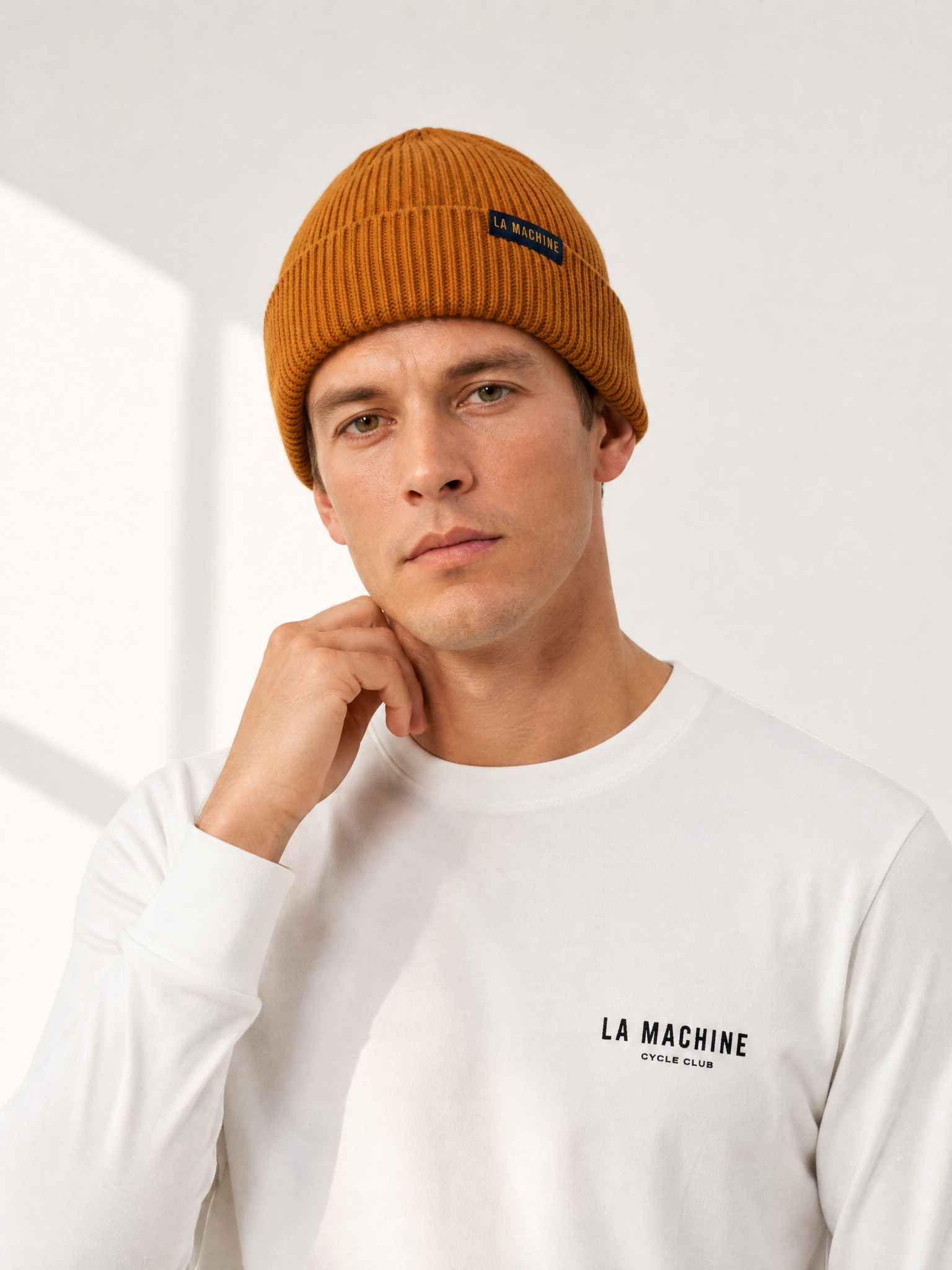
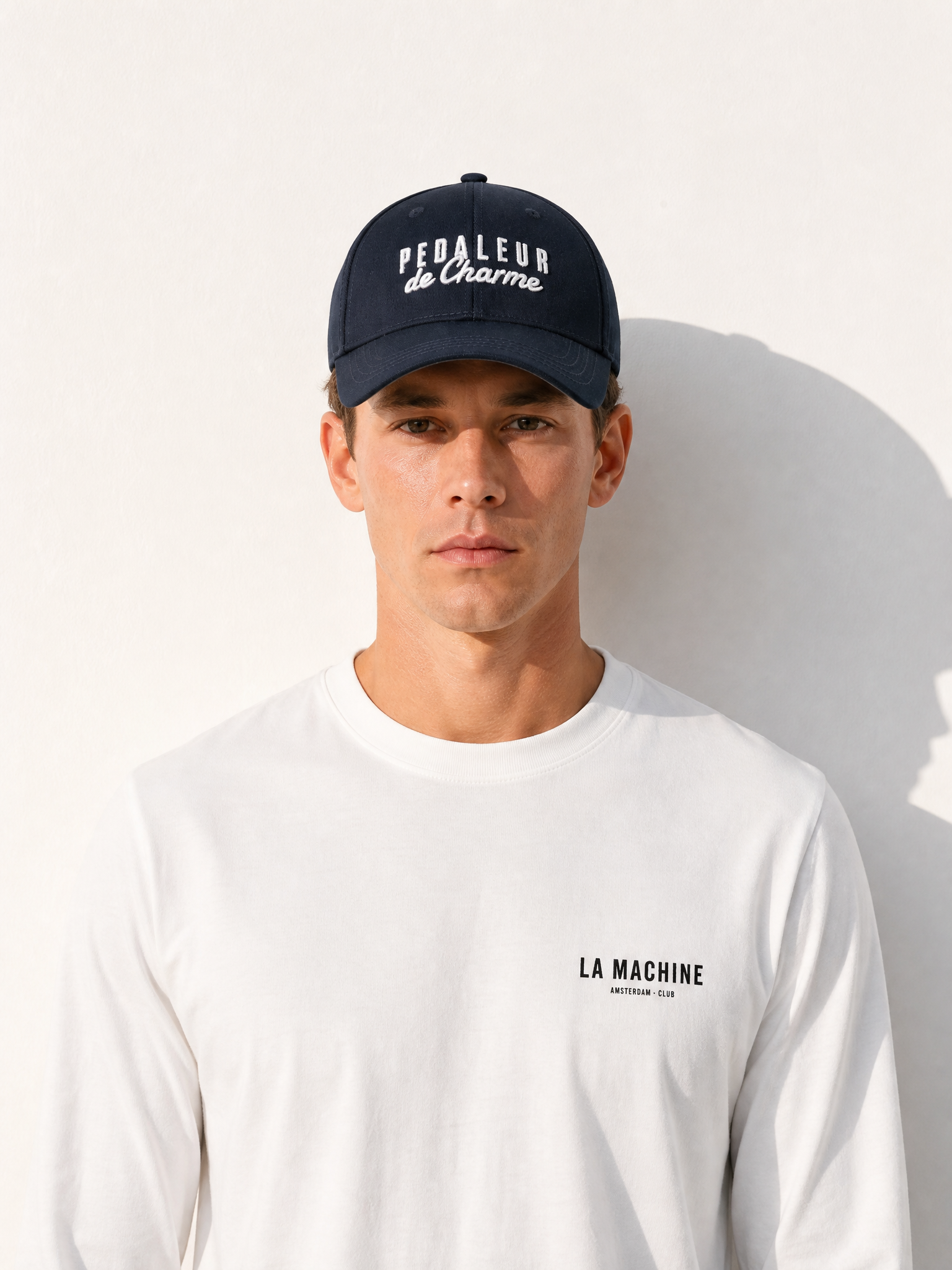
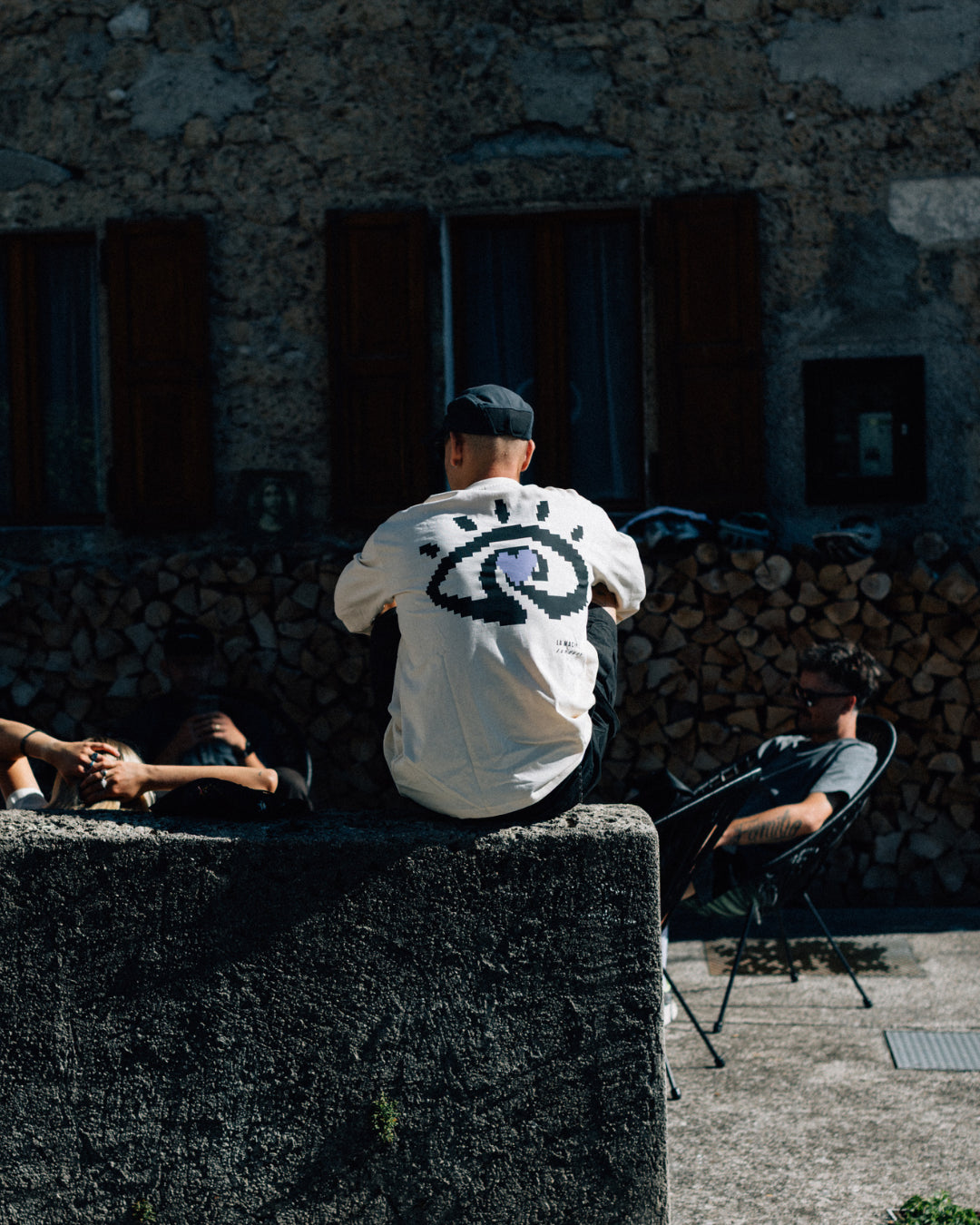
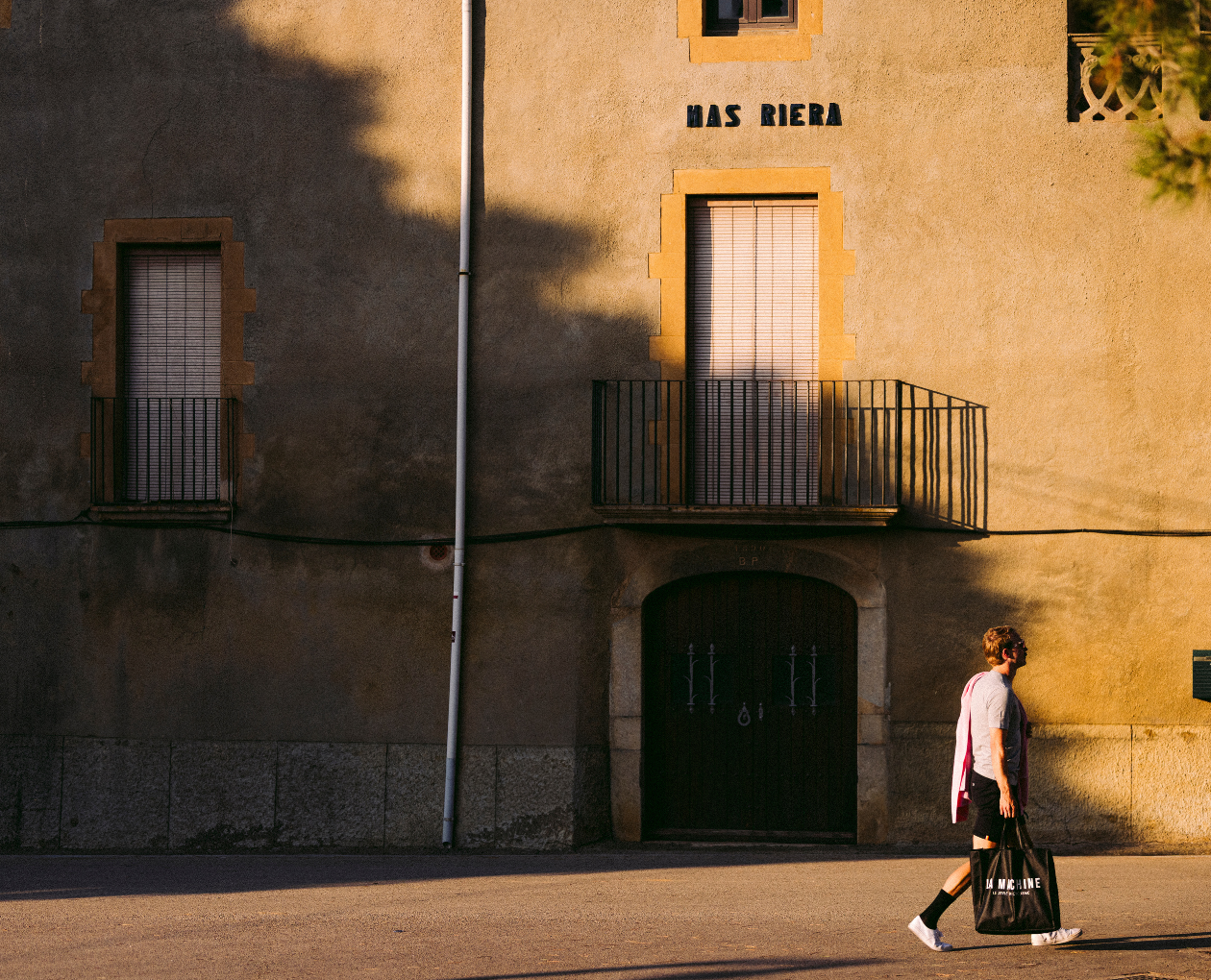
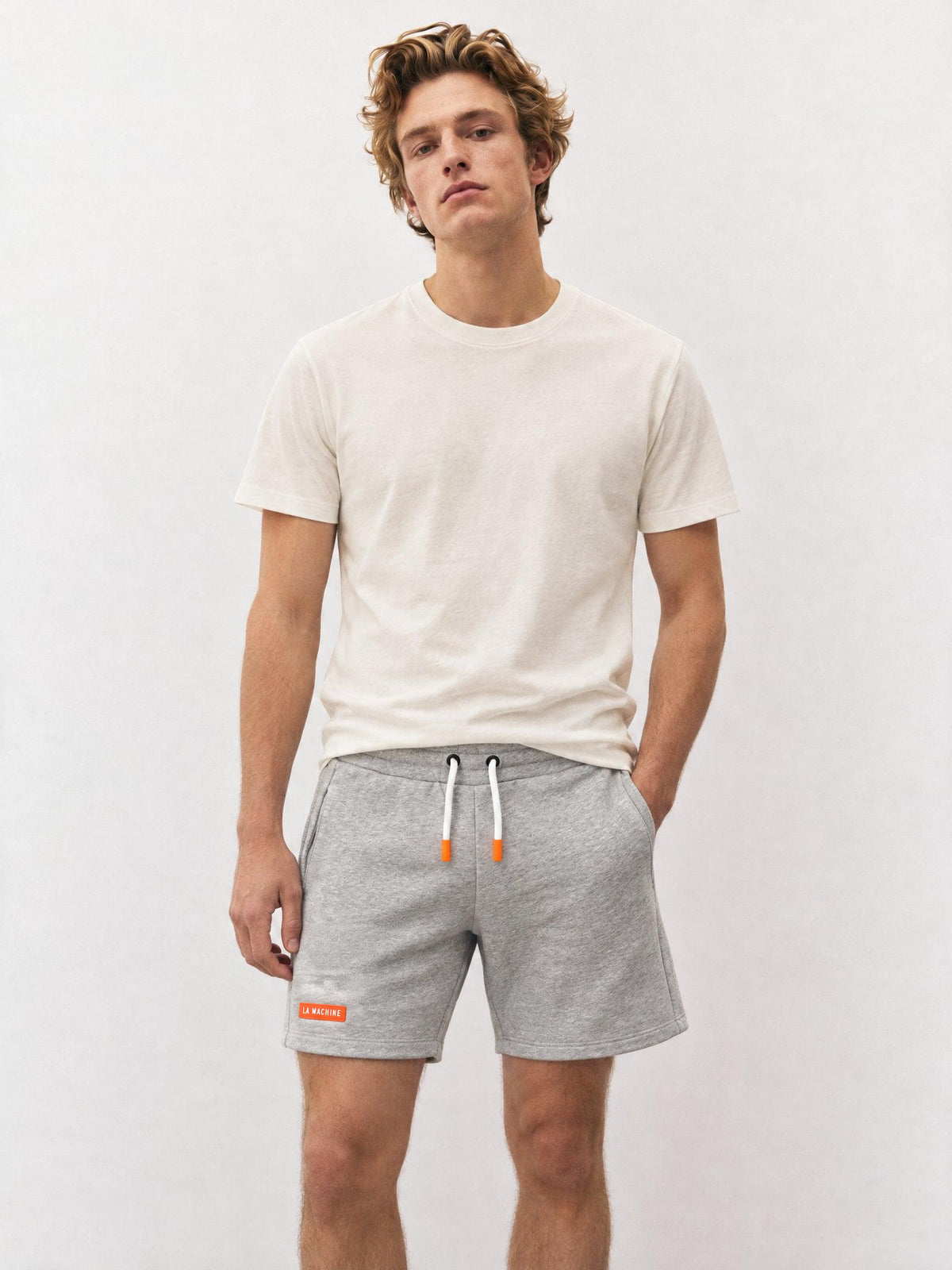
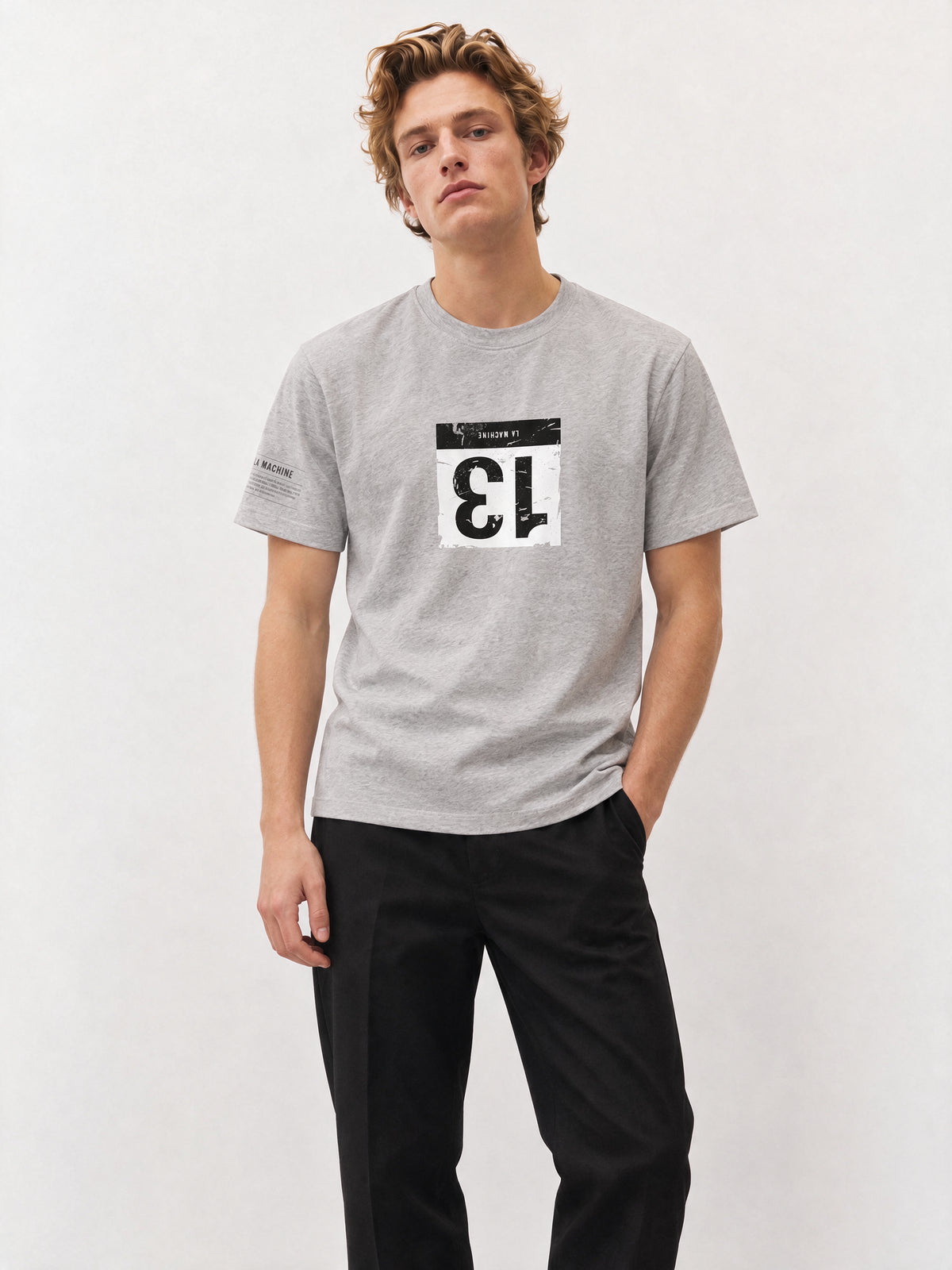
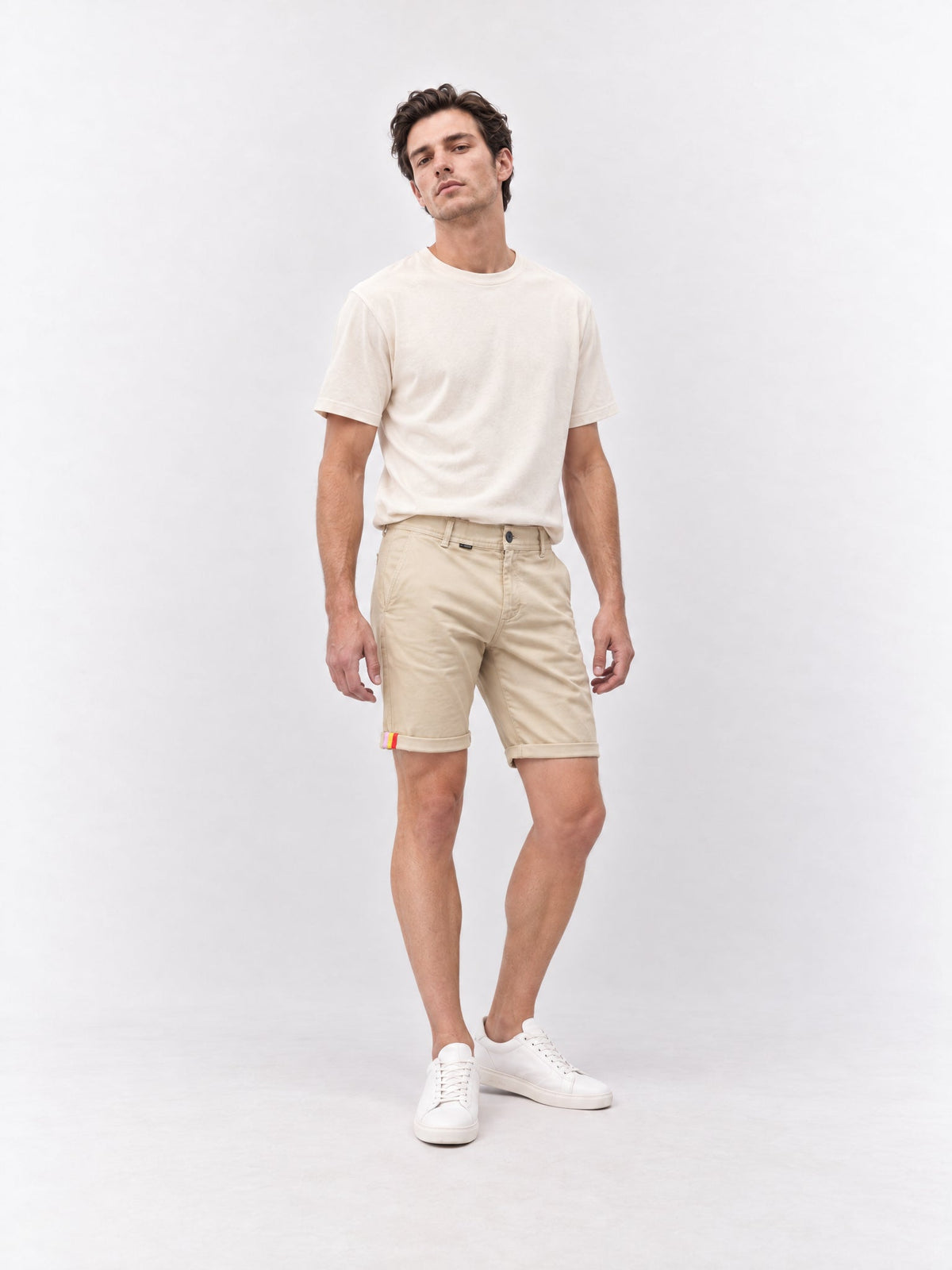
Out of the Lycra, into team casual wear. The rest day is when you see riders as people: sitting in the hotel garden, walking to a café, doing an interview in a polo and shorts. Team apparel partners dress them for exactly these moments. As the off-bike partner of EF Pro Cycling, we know the brief: relaxed, comfortable and unmistakably cycling. Explore the La Machine X EF Pro Cycling collection, or read our piece on what pro cyclists wear off the bike.

Do the Giro and the Vuelta have rest days too?
Yes. All three Grand Tours build rest days into their three weeks, and the rhythm is much the same. Hard racing, a pause, then the decisive final week. The rest day is the deep breath before the mountains.
Bring the rest day home
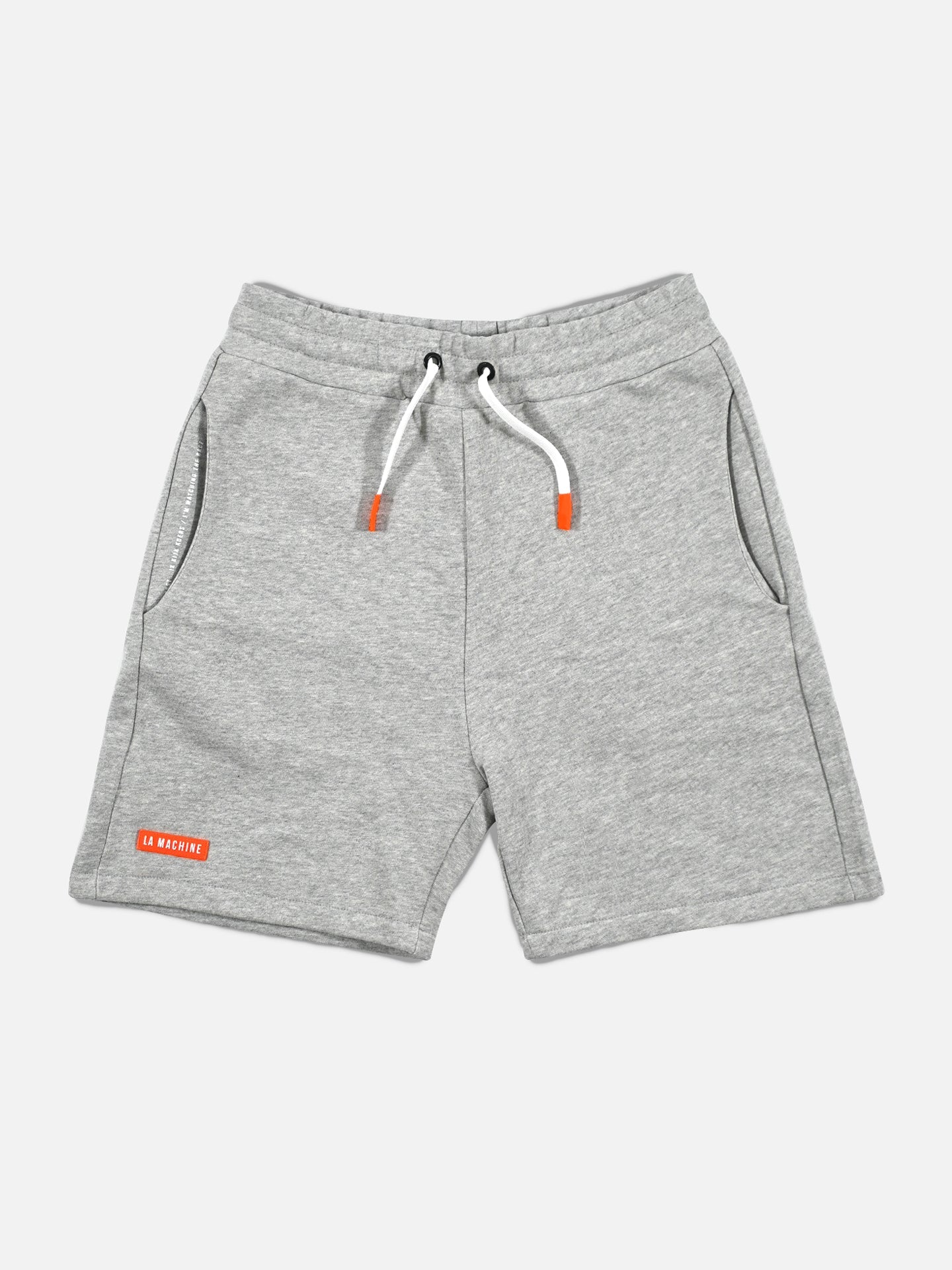
You do not need three weeks of racing to earn a rest day. A long Saturday ride is enough. Our Grand Tours Rest Day Bermuda was made for exactly that afternoon. Add a Ride Hard Rest Hard sweatshirt for the cooler evening and a pair of slides for tired feet.
Good things take time. So does recovery.
FAQ
How many rest days are there in the Tour de France?
Usually two, typically one after the first week and one after the second.
Do Tour de France riders ride their bikes on rest days?
Most do. An easy ride of one to two hours keeps the legs moving without adding fatigue.
What do riders eat on a rest day?
Normal, well-balanced meals, often a little lighter than on race days, since they burn far less energy. Every team nutritionist has their own plan.
Ride hard, rest well. We're here for the long ride.
Leggi di più
In the Netherlands the bike is everyday life. How that daily habit grew into a deep love of racing, from Dutch Corner to the Cauberg.
A domestique is a rider who works for the team leader instead of chasing personal results. Here is what the word means, where it comes from and what the job involves.




Commenta
Questo sito è protetto da hCaptcha e applica le Norme sulla privacy e i Termini di servizio di hCaptcha.