




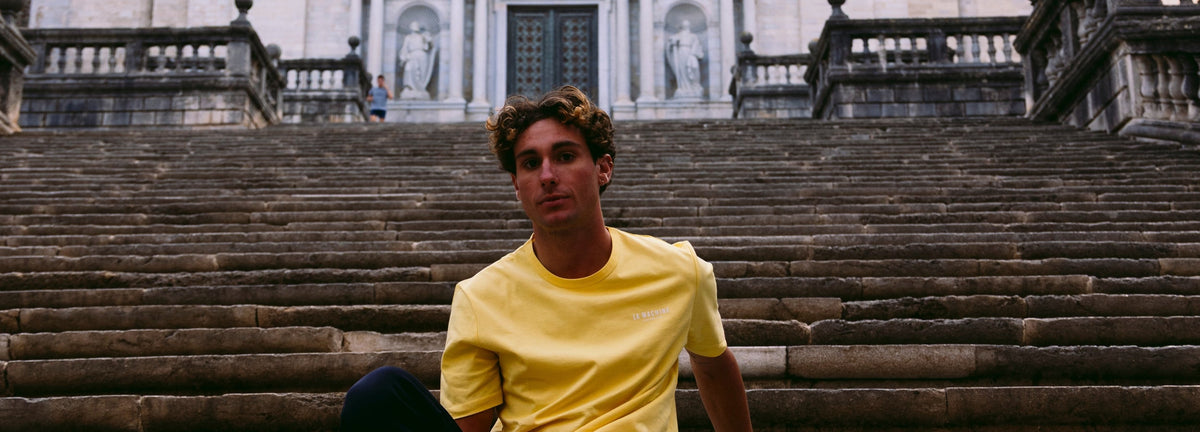
Slow Fashion vs Fast Fashion: Built for Years, Not Weeks
Fast fashion makes huge volumes of clothing at low prices, built around constantly changing collections and short lives in the wardrobe. Slow fashion does the opposite: fewer pieces, made with care in smaller runs, designed to be worn and repaired for years. One is a race to the bottom. The other is the long ride.
We started La Machine in 2013 with €500 and a box of tees. We have made clothes the slow way ever since. Here is why.
What is fast fashion?
Fast fashion is a business model, not a single brand. It works by shrinking the time between a design idea and a rail in a shop, then repeating that cycle over and over. New styles arrive constantly. Prices stay low. Garments are made to look right on the hanger rather than to last on the body.
The model runs on volume. To keep prices down, costs are pushed down the chain: onto fabric, onto construction, and too often onto the people sewing the clothes. In 2013, the collapse of the Rana Plaza factory building in Bangladesh killed more than 1,100 garment workers and forced the industry to look hard at its own supply chains.
What is slow fashion?
Slow fashion is a set of choices that put longevity first. Designs that do not depend on a season. Durable fabric. Production in smaller runs, close enough that a brand knows the people making its clothes. Fair prices for the maker and the buyer. And a wearer who keeps, cares for and repairs what they own.
It is not about being precious. It is about respect: for materials, for craft and for the person who will wear the piece for the next ten years.

Slow fashion vs fast fashion: the key differences
Volume. Fast fashion makes as many units as possible. Slow fashion works in small runs.
Pace. Fast fashion pushes a constant stream of new styles. Slow fashion releases fewer, considered collections and keeps its strongest designs in the range.
Fabric. Fast fashion chooses whatever hits the price. Slow fashion chooses fabric that survives years of washing.
Making. Fast fashion relies on long, opaque supply chains. Slow fashion works with trusted workshops it can name.
Lifespan. Fast fashion is worn a handful of times. Slow fashion is worn for years, often with a repair or two along the way.
A cyclist's way of seeing it
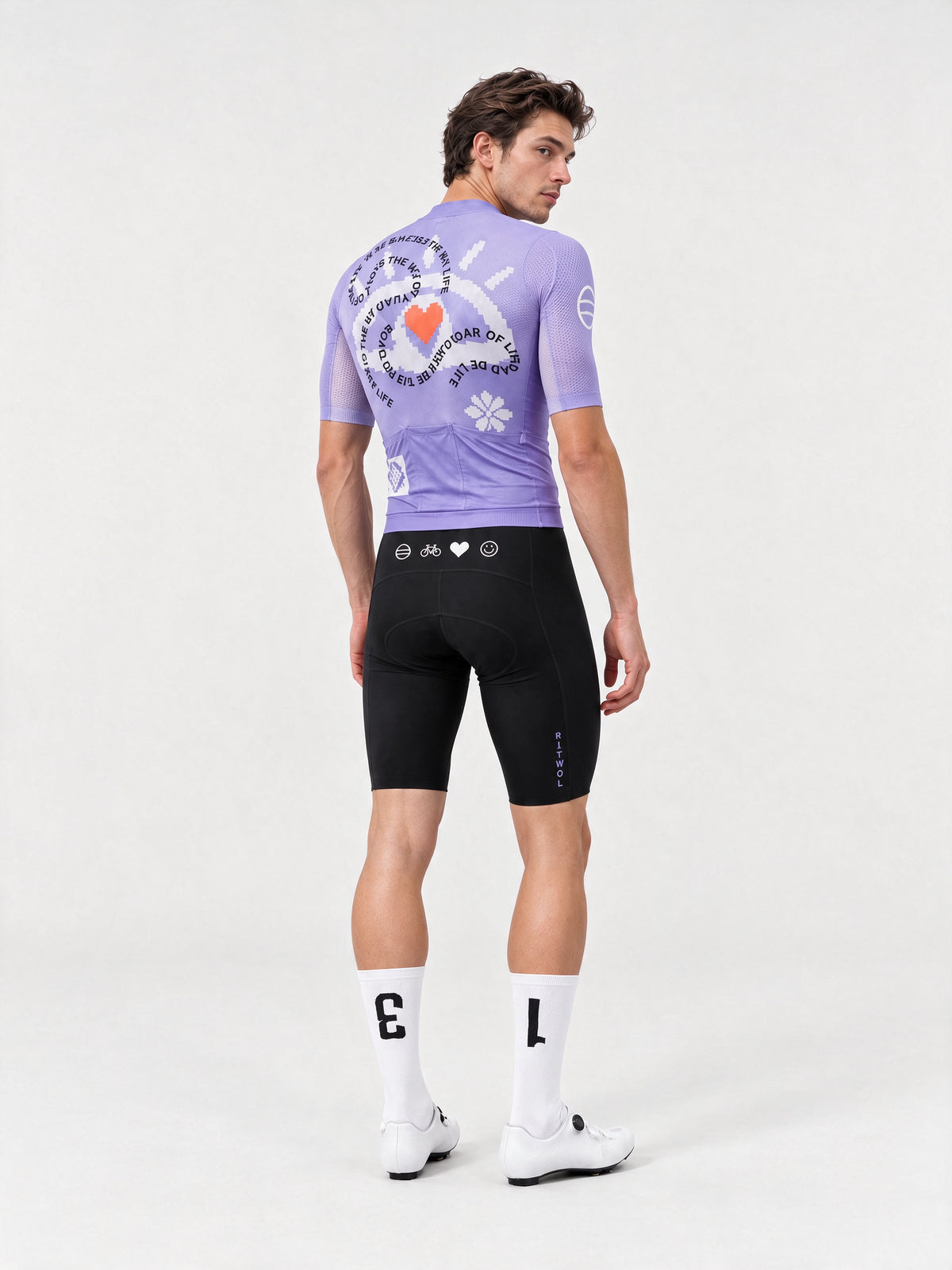
Riders understand slow fashion instinctively. Think about your bike. You chose it carefully. You maintain it. You replace a chain before it wears out the cassette. You know a well-built frame can carry you for a decade and collect stories on the way. Nobody buys a new bike every month because the colour changed.
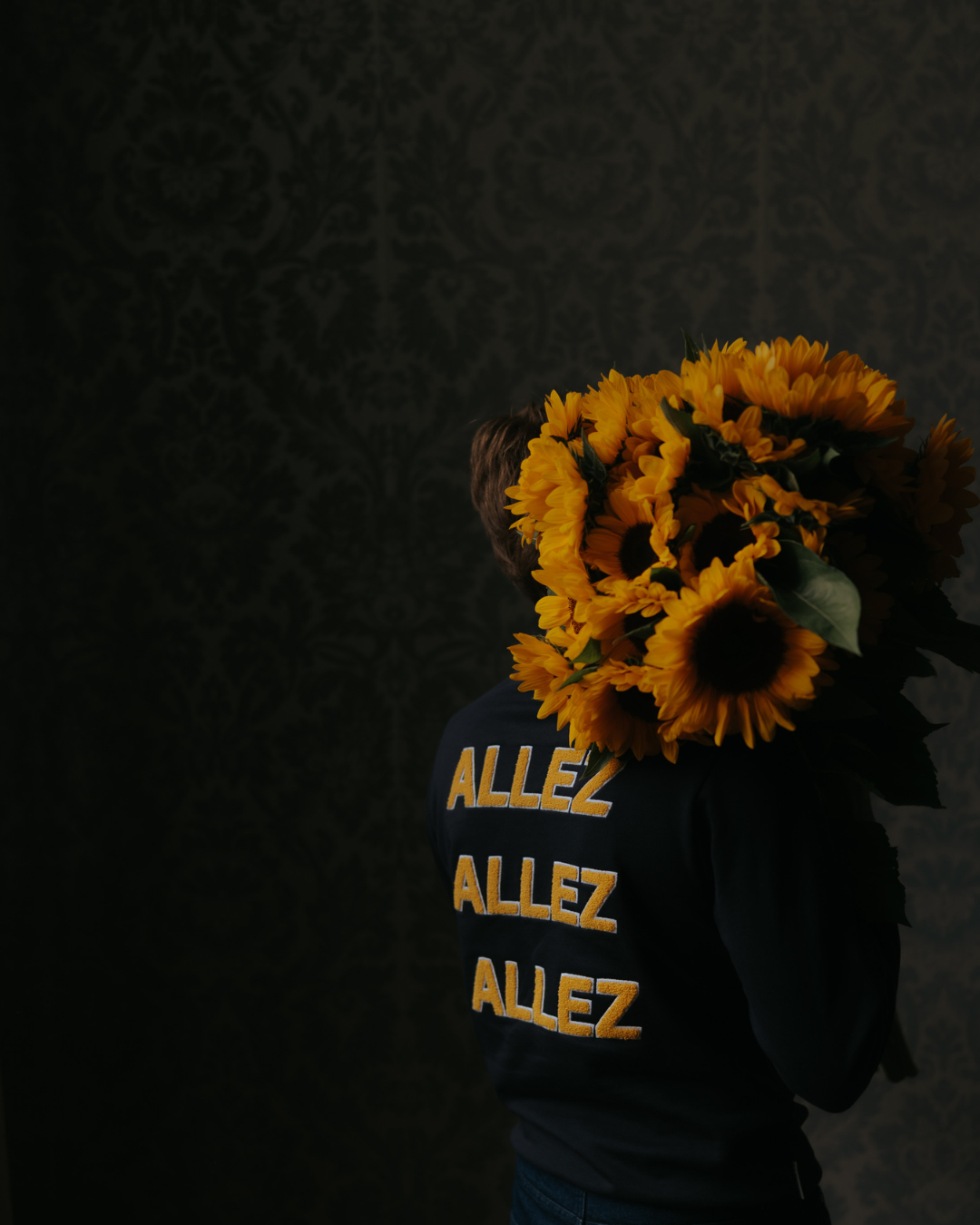
Clothes deserve the same thinking. The sweatshirt you wore on the morning of your first Flanders sportive. The tee that came home from a week in the Alps. These pieces gather meaning precisely because they last.

How La Machine makes clothes the slow way
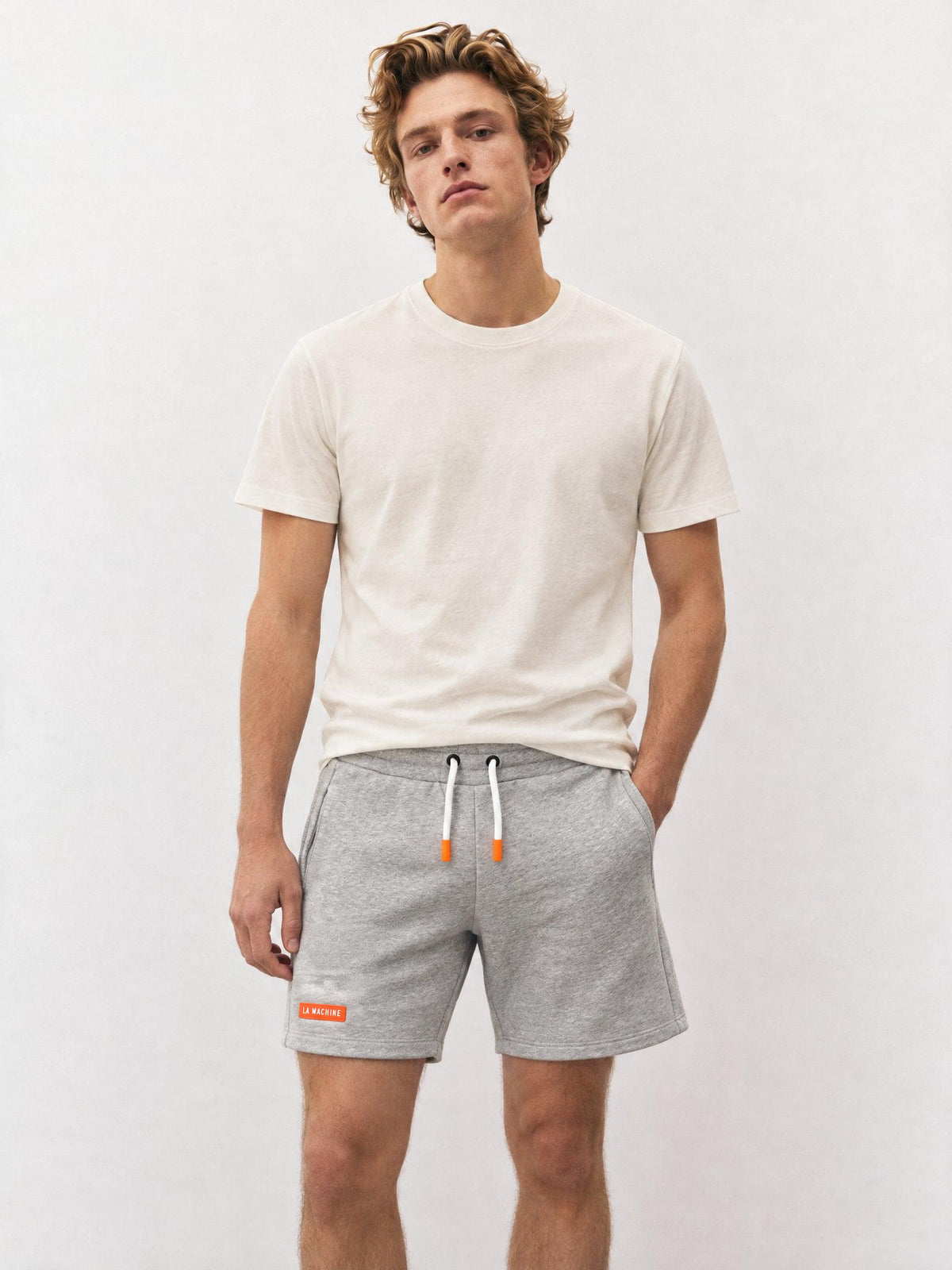
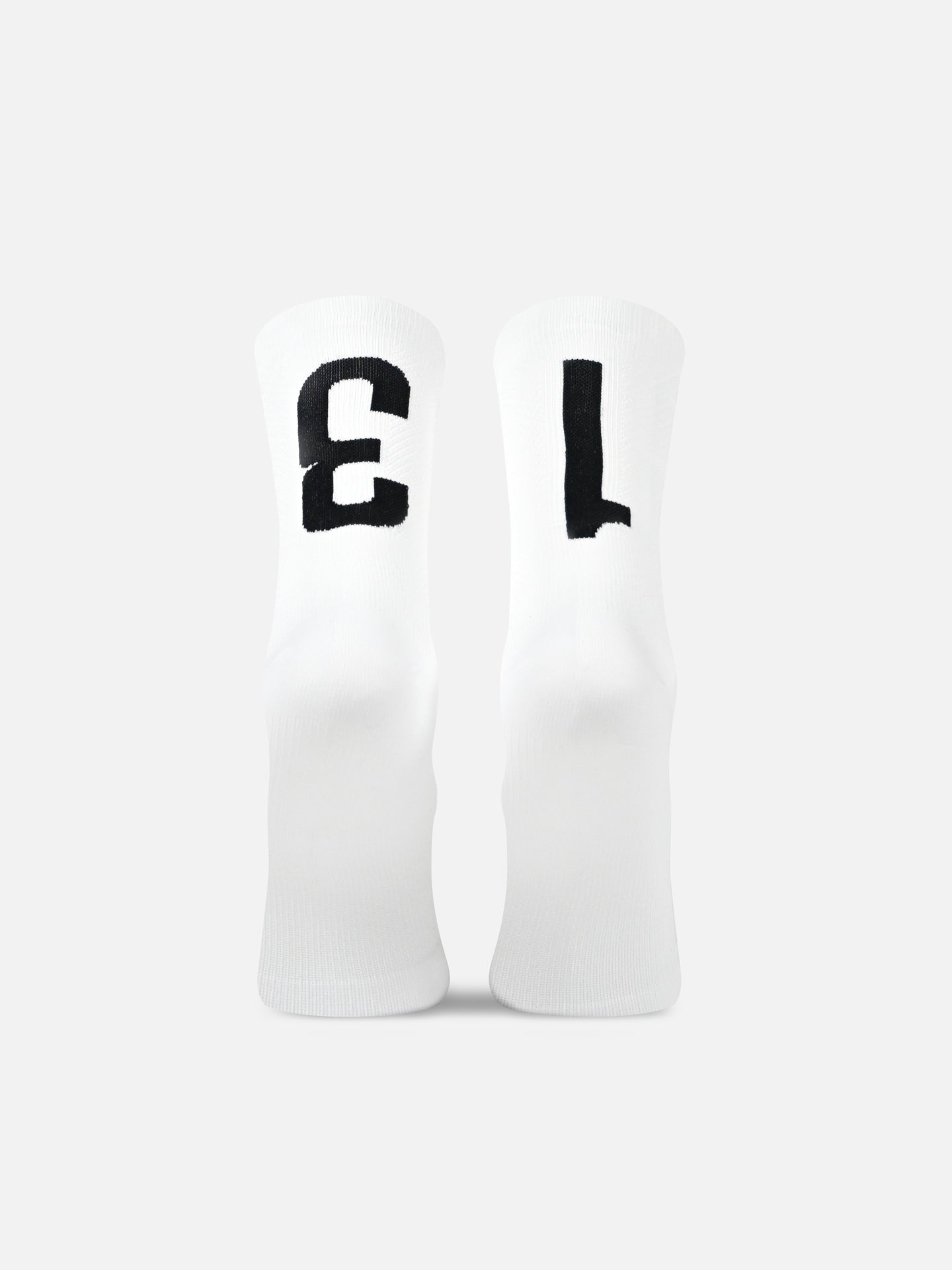
We design everything in-house. Our apparel is made in small runs in trusted, family-run ateliers in Portugal and Turkey. Our cycling socks are knitted in Italy. Our posters are printed in Europe on matte art paper. Every order is packed by hand. Small runs mean less unsold stock. Just enough, made well.
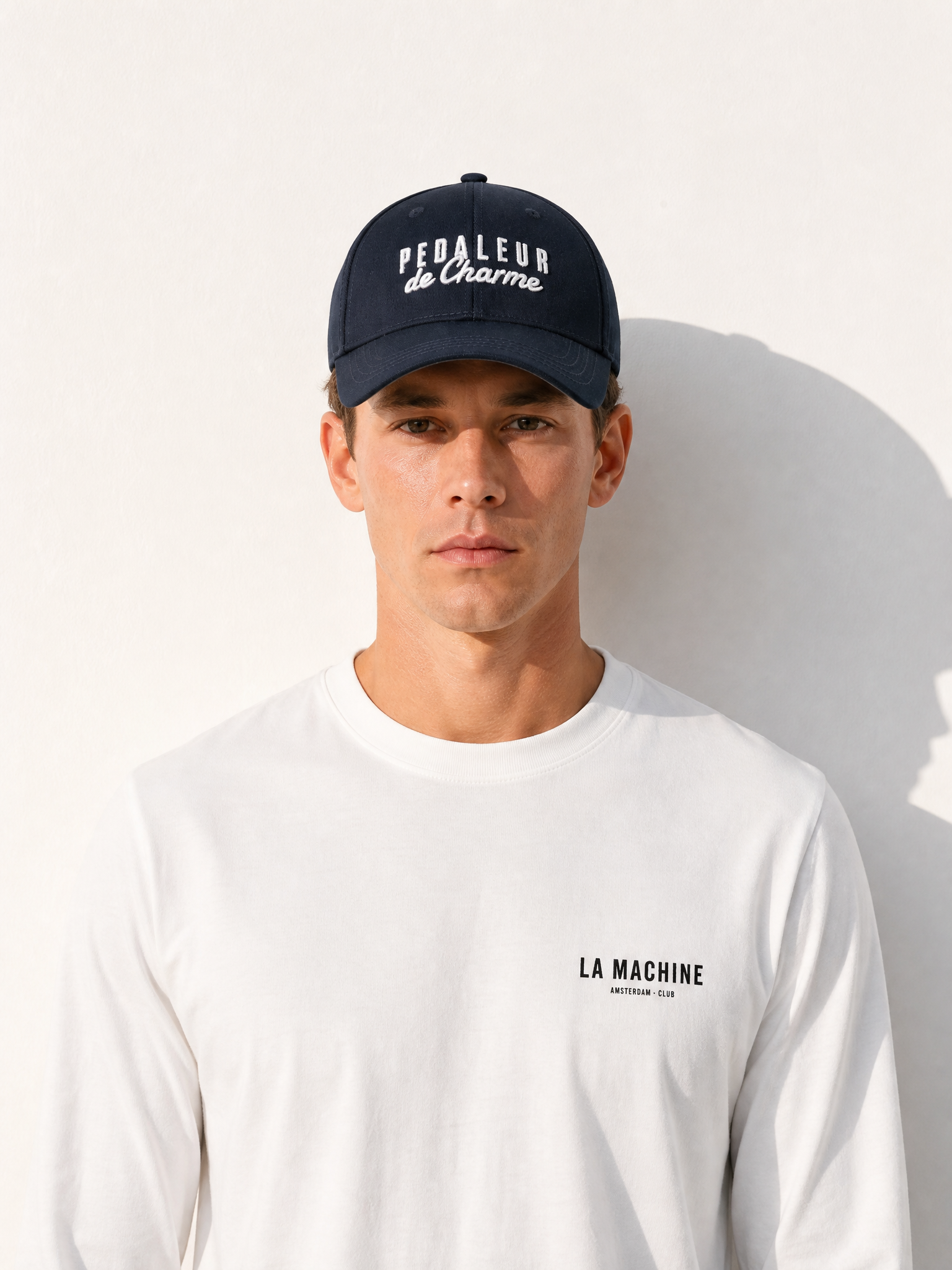
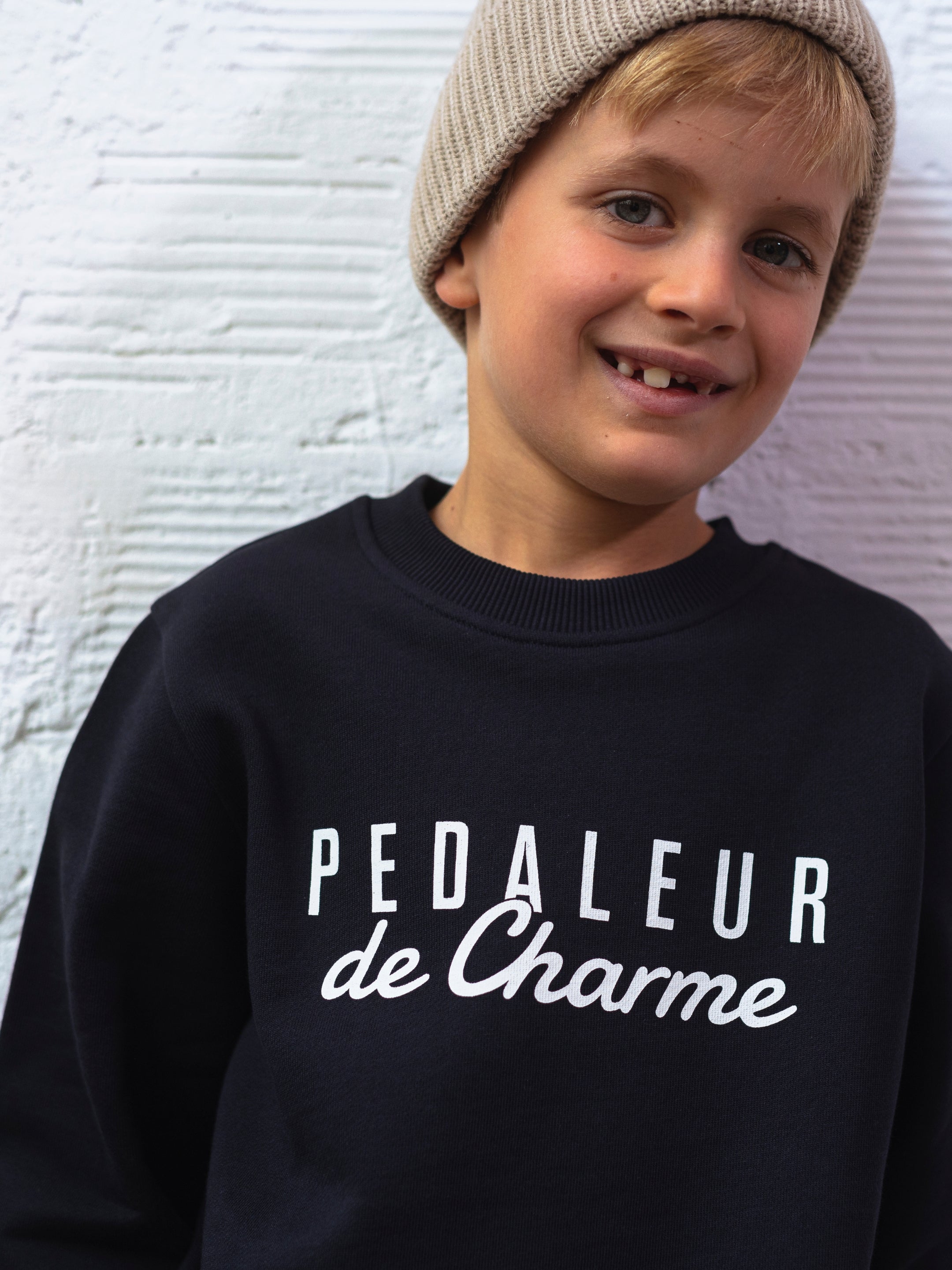
The designs are built to last as long as the fabric. Collections like Pedaleur de Charme return season after season, because a tribute to Hugo Koblet does not expire. Read why Portuguese workshops matter to us in made in Portugal clothing.
How to choose slow fashion
- Buy less, choose well. One good sweatshirt over three thin ones.
- Ask where it is made. A brand that knows its makers will tell you.
- Feel the fabric. Weight, density and how it springs back tell you more than a label.
- Look after it. Our guide on how to make clothes last longer covers washing, drying and repairs.
- Wear it with meaning. Clothes you love are clothes you keep.

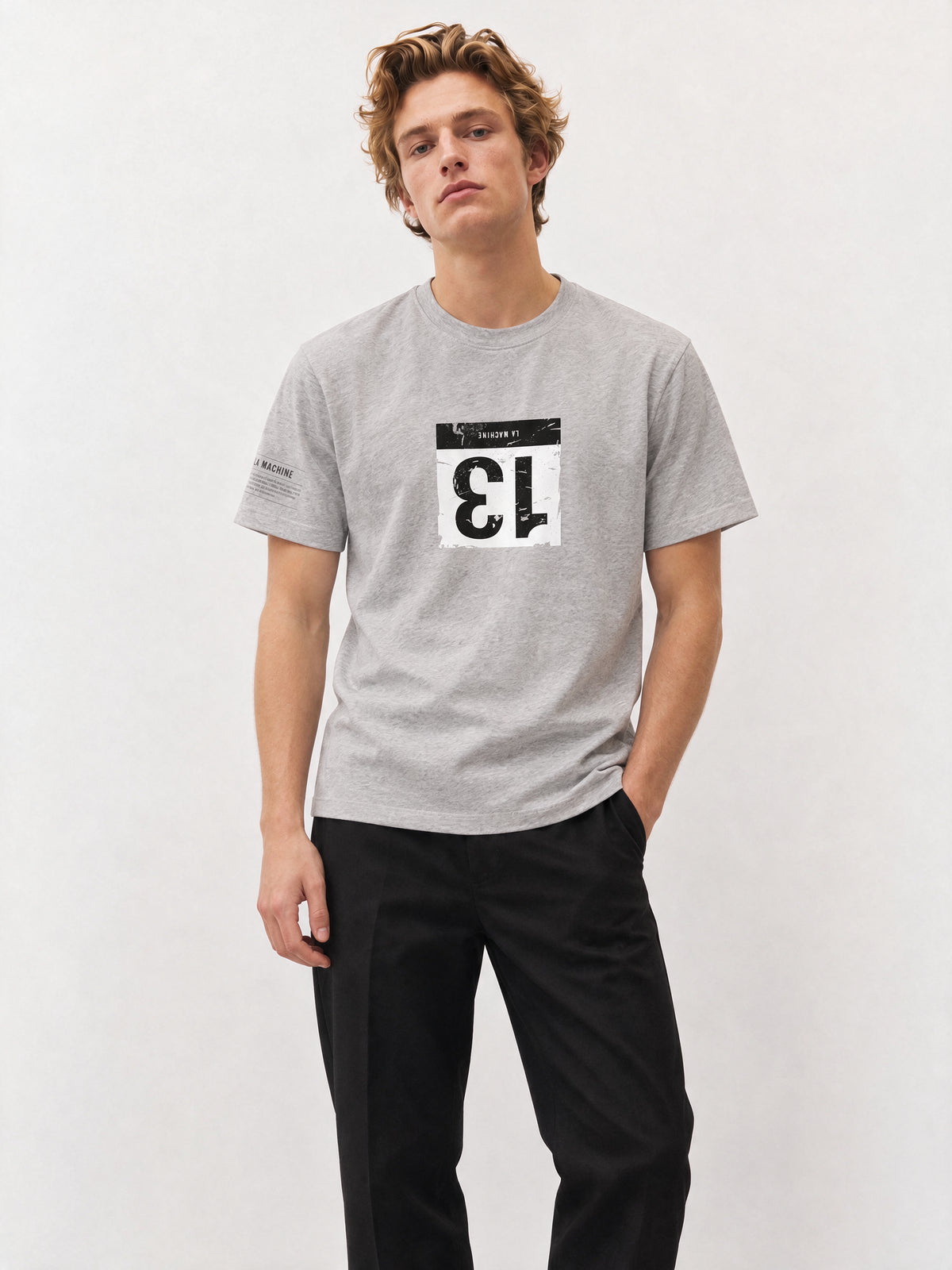
Start with our Off-Bike Essentials, or read what off-bike apparel means to us.
FAQ
What is the main difference between slow fashion and fast fashion?
Fast fashion prioritises volume, speed and low prices. Slow fashion prioritises quality, durability and fair production, so clothes are made to be worn for years.
Is slow fashion more expensive?
Often more per piece, yes. But a garment worn for years can cost less per wear than several low-priced ones that wear out within a season.
How can I tell if clothing is well made?
Check the weight and feel of the fabric, look for even, tight stitching and clean seams, and ask where and how it was made.
No Fast Fashion. Just Premium Apparel. We're here for the long ride.
Leggi di più
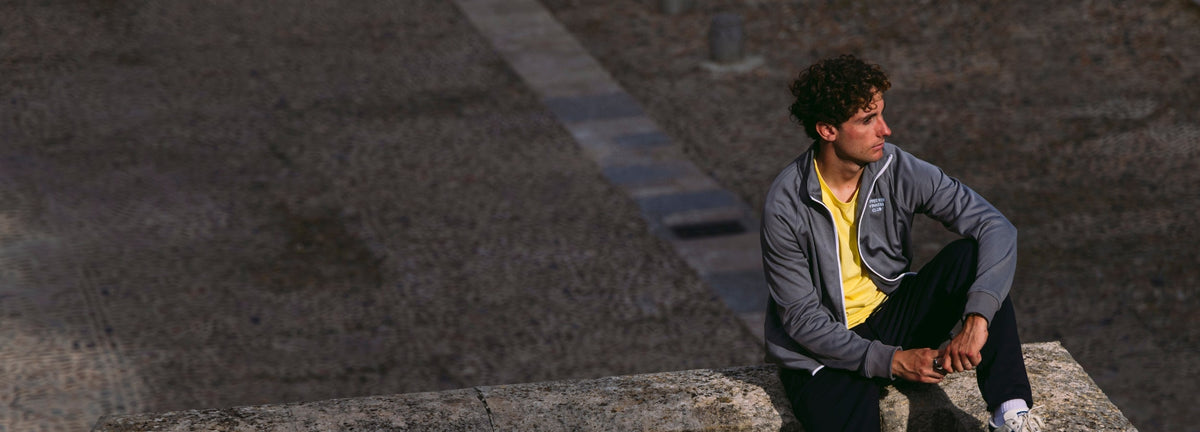
Cyclocross is Belgium’s winter religion. What the sport is, why Flanders loves it, what race day feels like and what to wear on the tape.
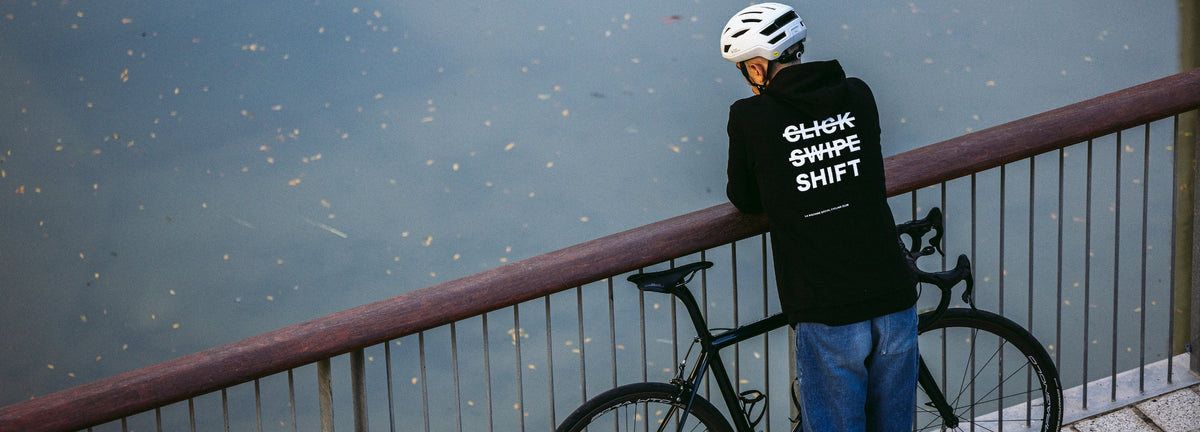
What makes a good cycling hoodie for life off the bike: heavyweight fabric, a fit cut for a rider's frame, practical details and a design with meaning.




Commenta
Questo sito è protetto da hCaptcha e applica le Norme sulla privacy e i Termini di servizio di hCaptcha.