











Van het Peloton

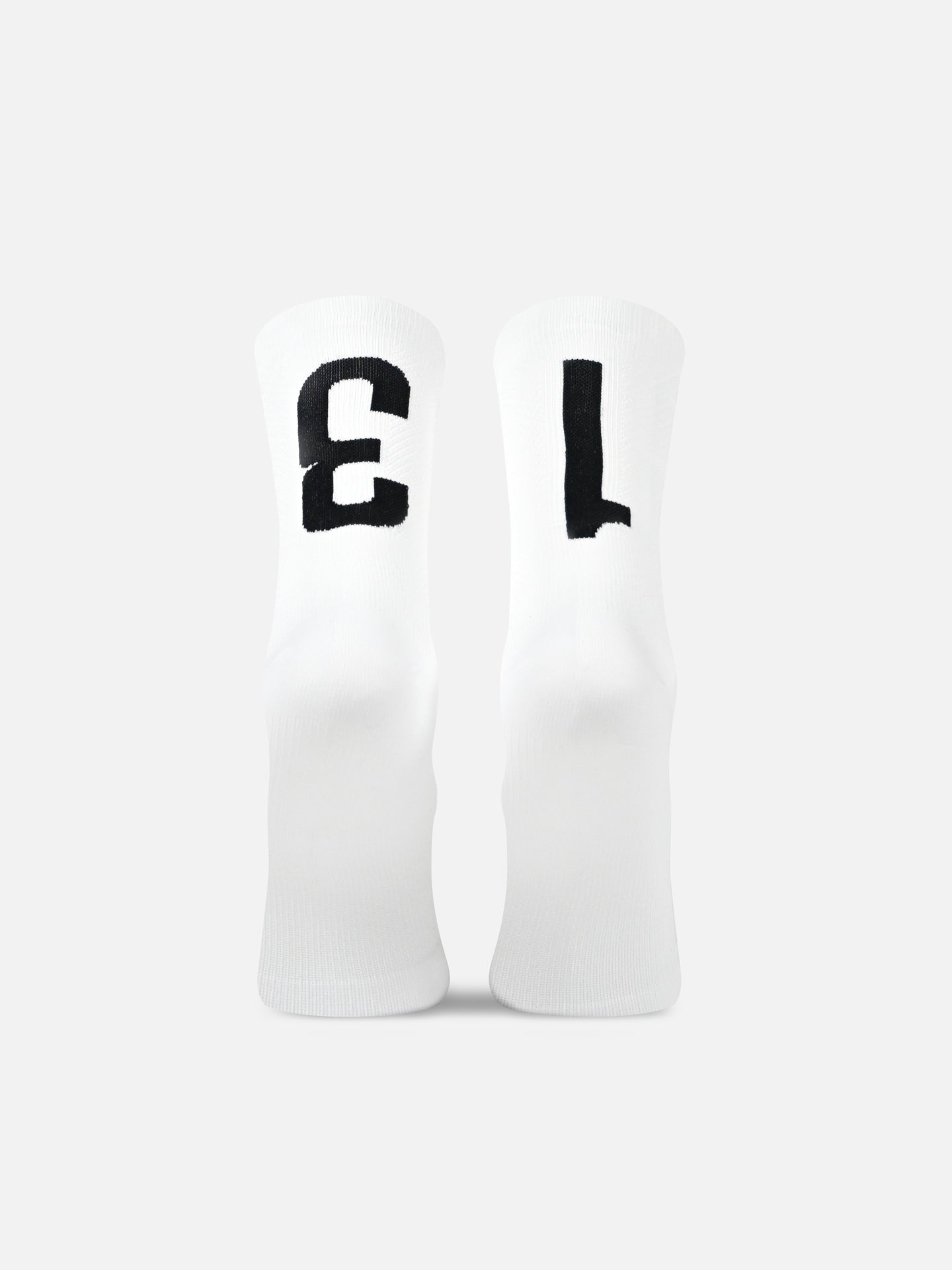
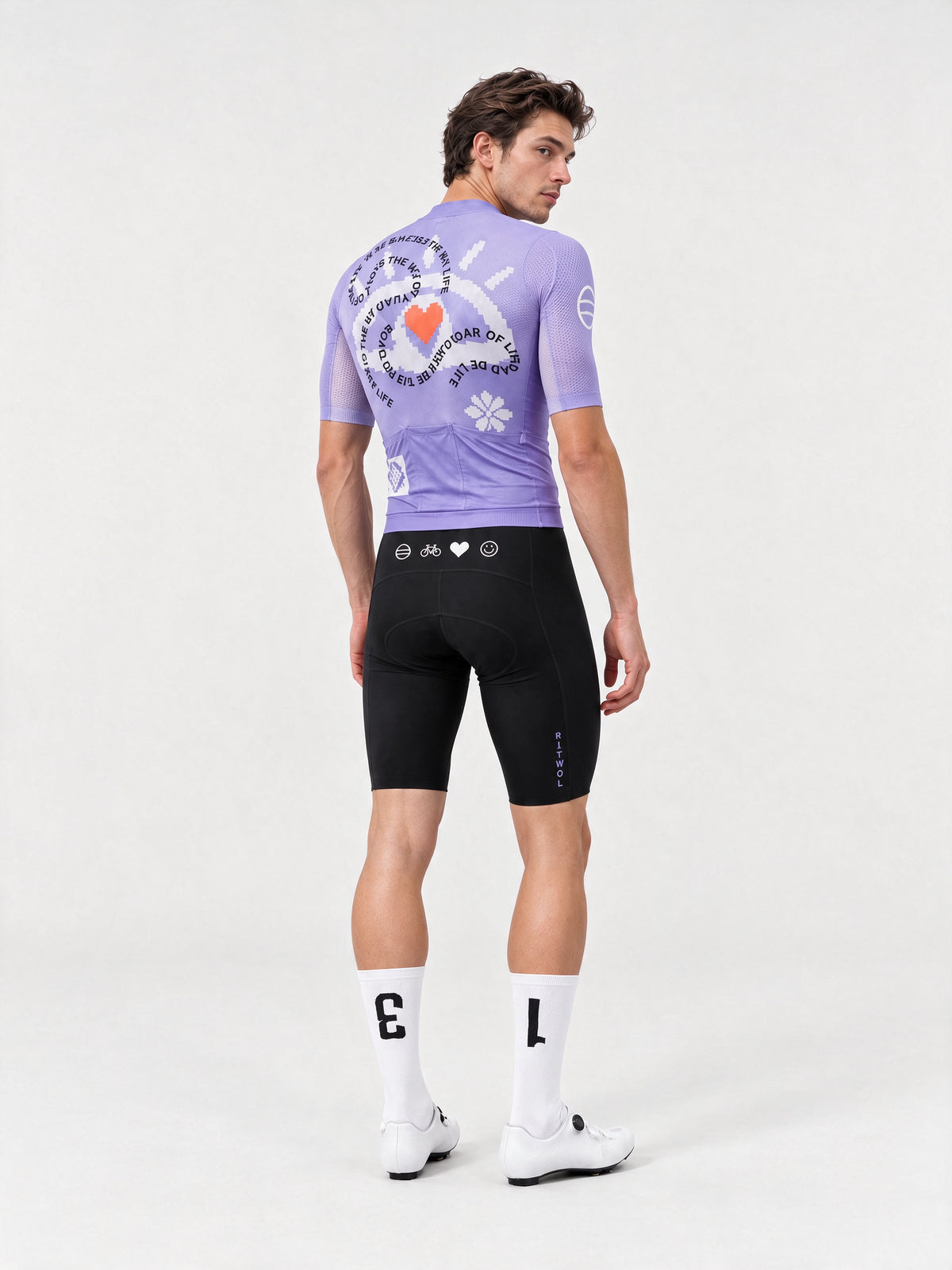
Cyclists pin bib number 13 upside down to cancel out its bad luck. Here is where the habit comes from, who keeps it, and why the flipped 13 became a symbol of cycling culture.
Cycling superstitions are the small rituals riders use to feel in control of a sport full of chance. From the upside-down 13 to the rainbow jersey curse, here is how the peloton keeps its luck.
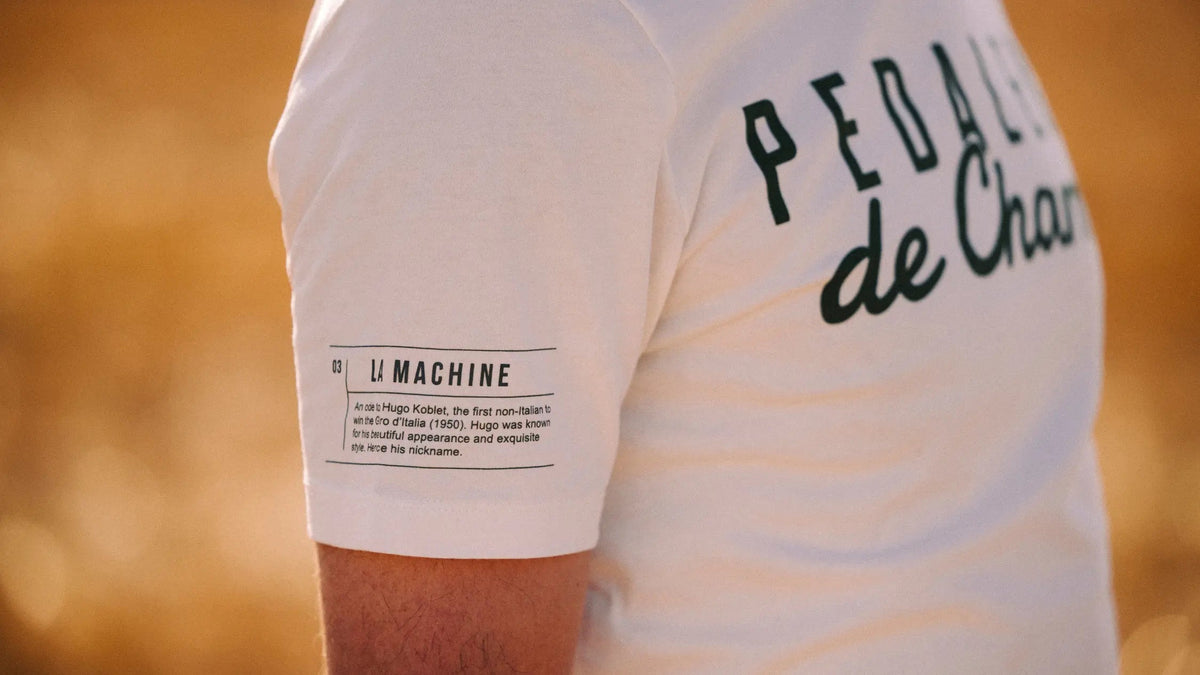
Hugo Koblet was the Swiss rider who won the 1950 Giro d'Italia and the 1951 Tour de France with such elegance that he became the Pedaleur de Charme. This is his story.

The cycling cap began as practical race kit, became a billboard for team sponsors and, once helmets took over, an icon of off-bike style. Here is the story of the casquette.

The monuments of cycling are five historic one-day races: Milan-San Remo, the Tour of Flanders, Paris-Roubaix, Liège-Bastogne-Liège and Il Lombardia. Here is what makes each one special.

The lanterne rouge is the last rider in the overall classification of the Tour de France. Here is where the name comes from and why the peloton respects the rider who carries it.

Old team kits are time machines. Why retro cycling jerseys still matter, the everyday brands behind them and how to wear the story off the bike.