








How to Make Clothes Last Longer: A Care Guide for Cyclists
To make clothes last longer, wash them less often, wash cold and inside out, skip the tumble dryer and dry them flat or on a line. Fold knitwear instead of hanging it, fix small damage early and buy fewer, better-made pieces in the first place. Most wear happens in the machine, not on your back.
We think about this a lot. A tee that lasts ten years beats ten tees that last one. Here is how to look after yours.
Why do clothes wear out so quickly?
Three forces do most of the damage: heat, friction and stretch. Heat from hot washes and dryers shrinks cotton and breaks down prints. Friction in a crowded drum causes pilling and fading. Stretch from hanging heavy knits pulls shoulders out of shape. Start with well-made clothes, manage those three forces, and your wardrobe will keep going far longer than you expect.
How to wash: cold, inside out, less often
- Wash less. Off-bike clothes rarely need a wash after every wear. Air a sweatshirt overnight and wear it again. Tees worn next to the skin need washing more often, sweatshirts and jackets far less.
- Wash cold. 30 degrees is enough for everyday cotton. It is kinder to fibres and colours, and heating less water uses less energy.
- Turn it inside out. This shields prints, embroidery and the outer face of the fabric from rubbing.
- Sort by colour and weight. Darks with darks. Keep jeans and heavy zips away from soft tees.
- Leave room in the drum. Clothes need space to move. A packed drum means more friction.
- Go easy on detergent. More soap does not mean cleaner clothes. Most cotton does not need fabric softener.

How to dry: the tumble dryer is the enemy
If you remember one thing, remember this. The tumble dryer is where cotton shrinks, prints crack and elastic gives up. Air dry instead.
Hang tees and shirts on a line or rail. Dry heavy sweatshirts and hoodies flat, since their wet weight stretches them on a hanger. Keep dark colours out of strong direct sun, which fades them. A good shake before drying means fewer creases and less ironing. If you do iron, iron inside out and never directly over a print.
How to store: fold the knits, hang the shirts
Sweatshirts, hoodies and beanies should be folded. Woven shirts, like a corduroy overshirt, can hang on a wide wooden hanger. Give the wardrobe some breathing room. Crushed clothes crease, and a crease in the same place every time becomes a weak point. Caps deserve care too: store them flat or stacked so the peak keeps its shape.

How to repair: small fixes, long life
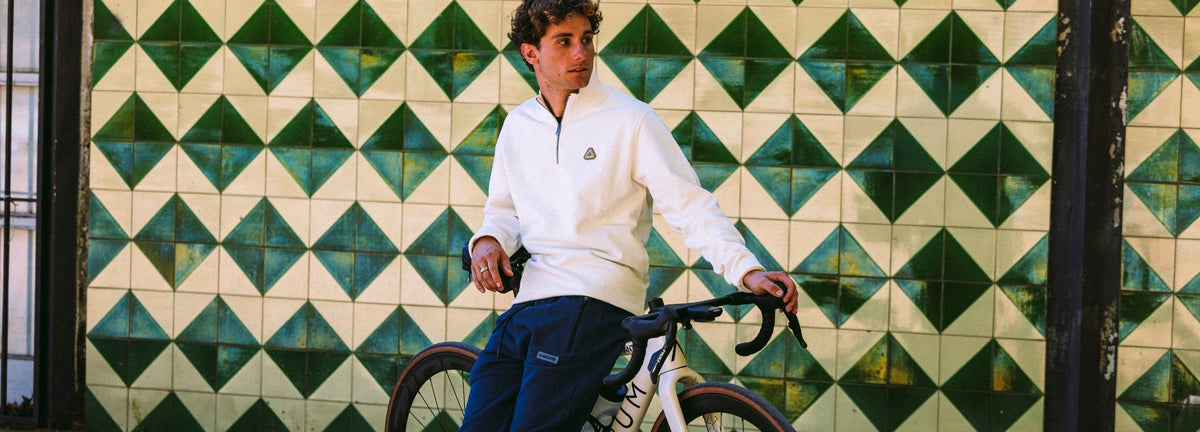
A loose button, a pulled thread, a little pilling under the arms. None of it is the end. Sew the button back on the day it loosens. Trim a pulled thread rather than yanking it. Lift pills away with a fabric comb or shaver. Our Le Pavé henley has buttons inspired by the cobbles of the Classics. Keep them tight and the henley stays sharp for years.
What about your riding kit?
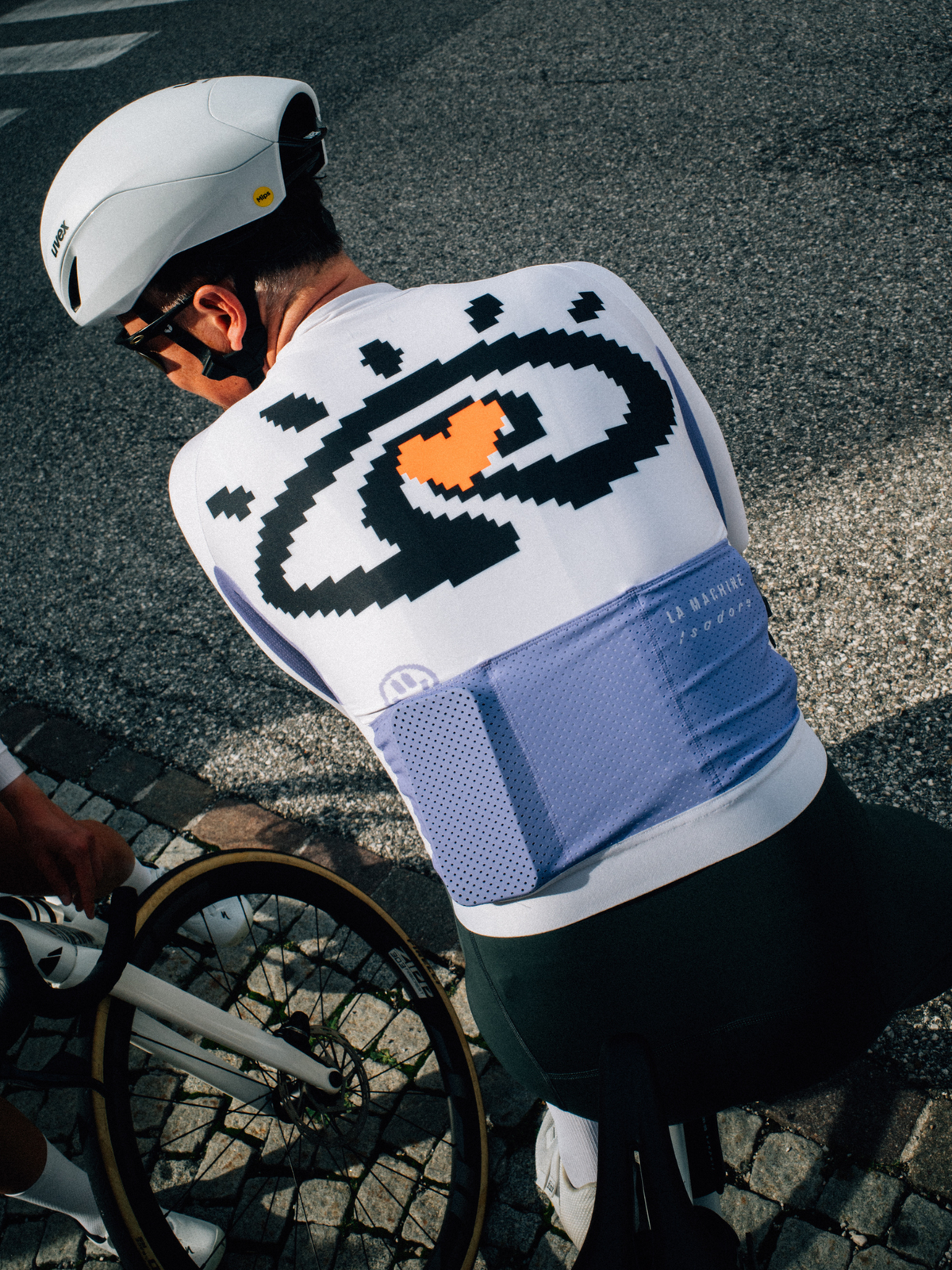
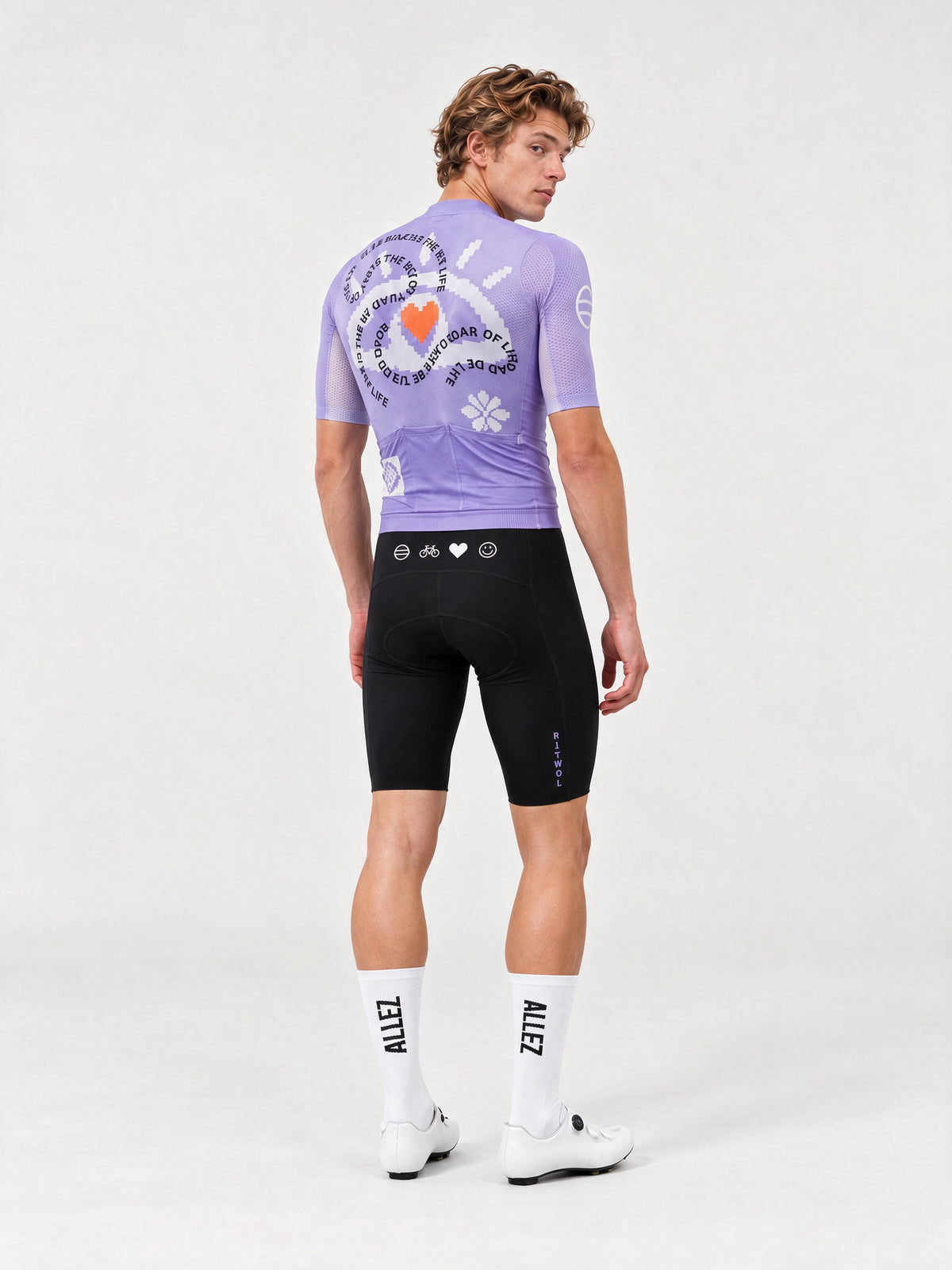
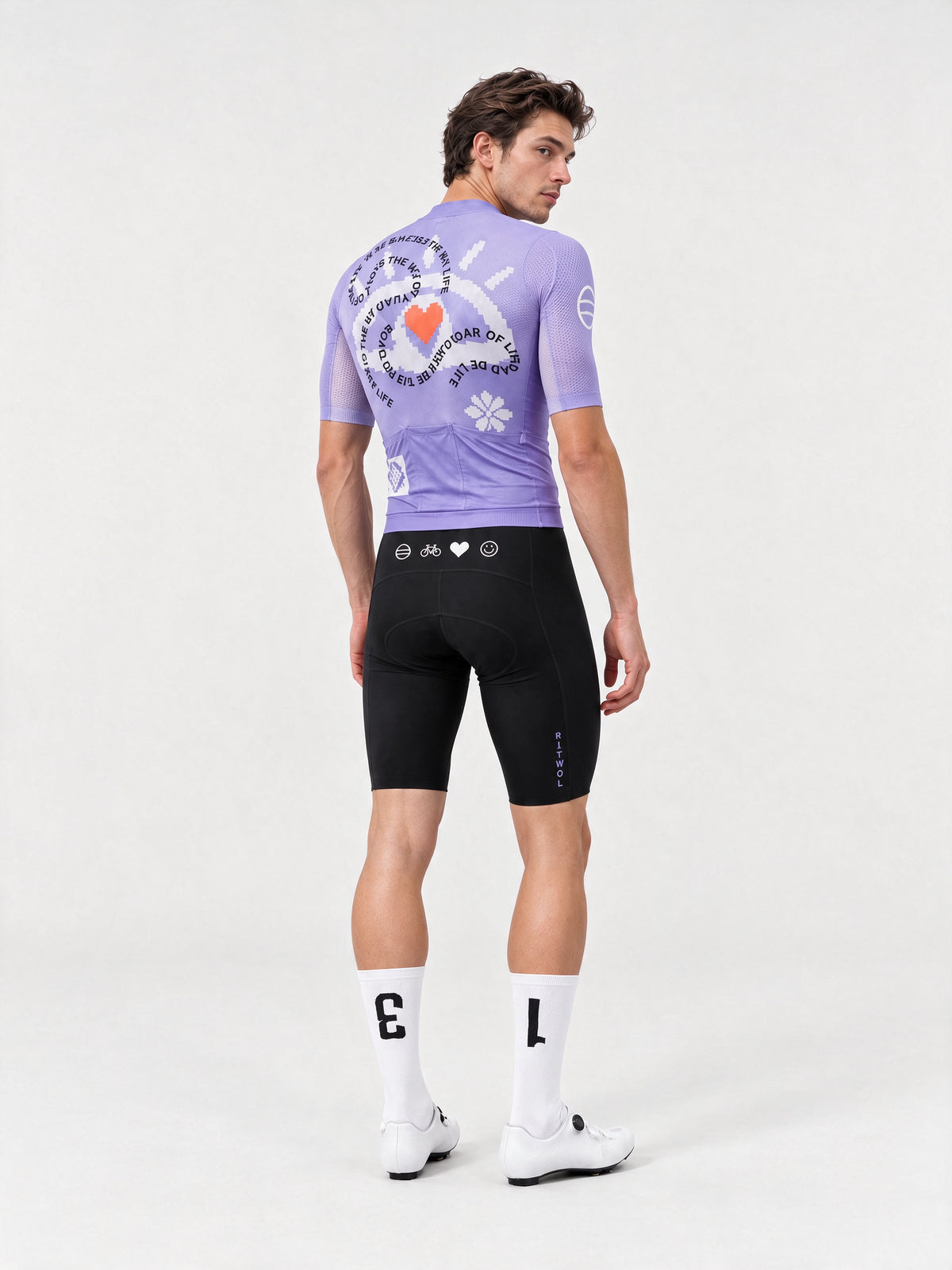
The same principles apply, with a few cycling-specific rules. Wash kit after every ride, because sweat breaks down technical fabric if it sits. Close zips and Velcro first so they do not snag. Wash cold, inside out, without fabric softener, which can coat technical fibres. Hang bibs and jerseys to dry, never in the dryer. Your kit and your off-bike wardrobe both reward the same patience.

Buy for longevity, not volume
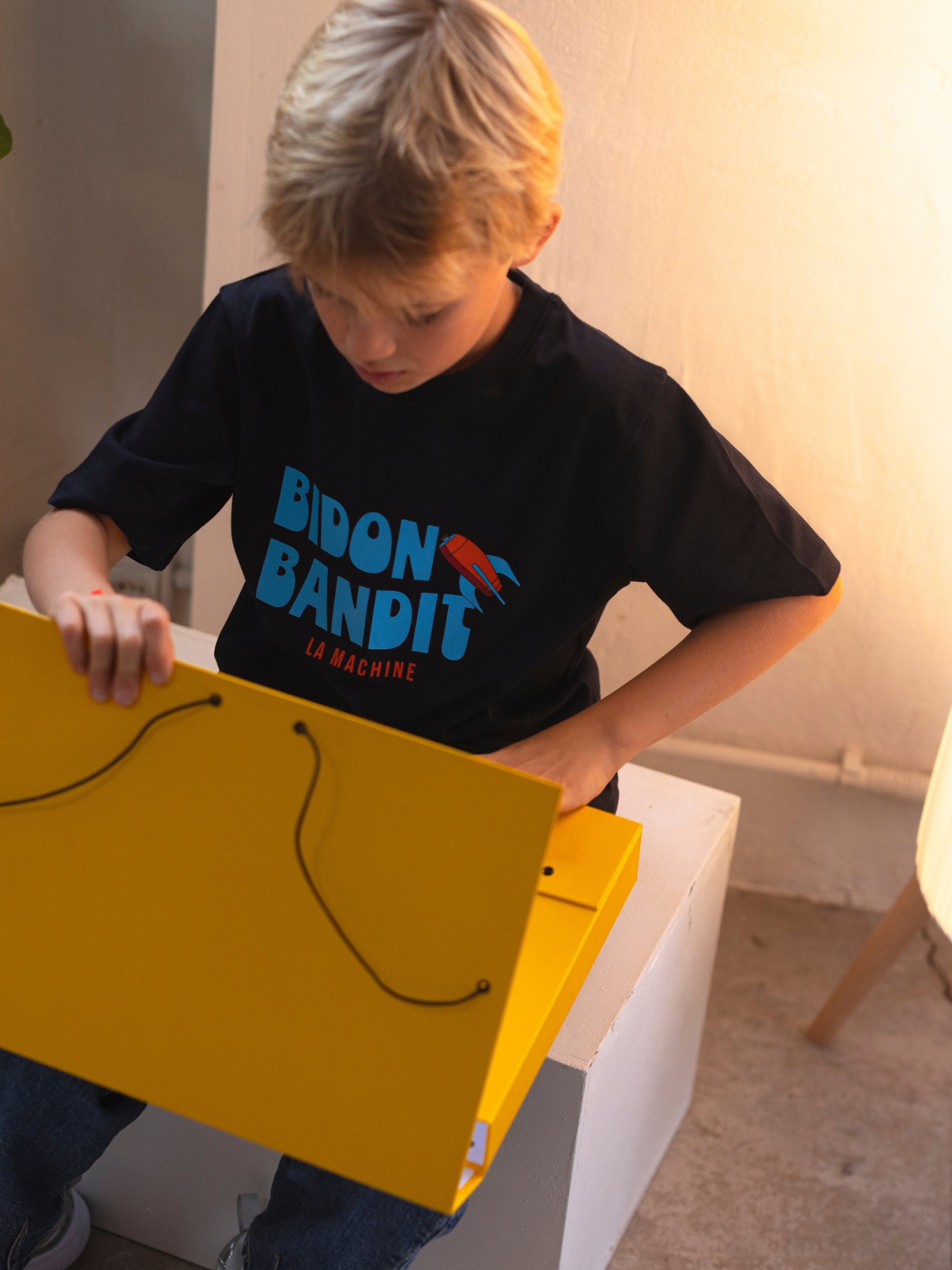
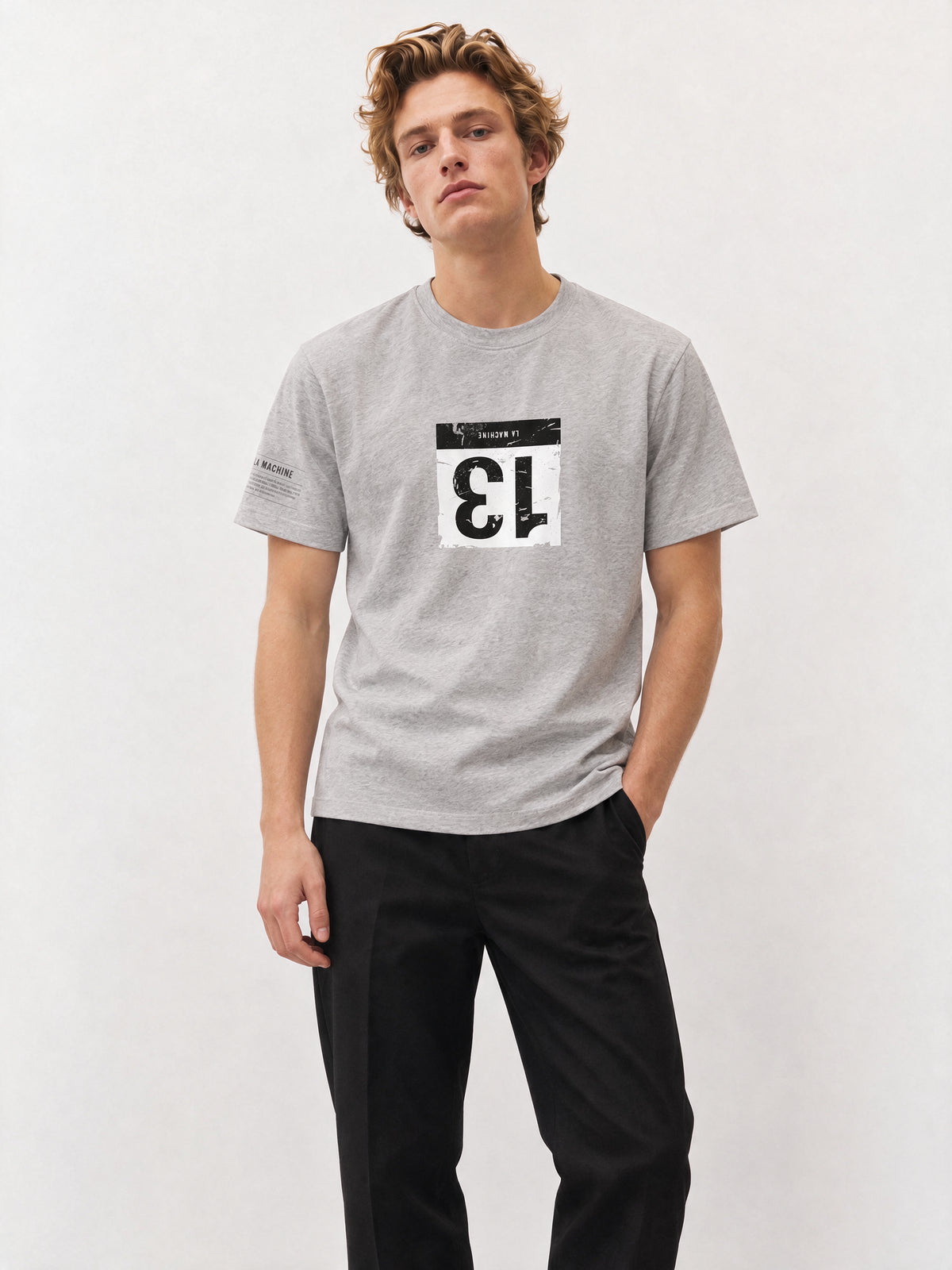
Care can only do so much. A thin garment made to last a season will not survive years, however gently it is washed. That is why we design every piece to be worn often and hard: durable fabric, small runs, family-run ateliers in Portugal and Turkey, and designs that will not look dated by next spring. Our Pedaleur de Charme tee is a good example. It returns season after season because it was never about a season to begin with.
For the bigger picture, read our take on slow fashion vs fast fashion, and how to build a capsule wardrobe for cyclists around fewer, better pieces. Or start with our Off-Bike Essentials.
FAQ
Does washing clothes in cold water make them last longer?
Yes. Cold or 30-degree washes reduce shrinkage and colour loss compared with hot washes, and they are gentler on prints and fibres.
Why should you wash clothes inside out?
It protects the outside of the garment, including prints and embroidery, from rubbing against other clothes and the drum.
How often should I wash a hoodie?
Only when it needs it: after a few wears, or sooner if it is visibly dirty. Airing it between wears goes a long way.
Fewer pieces, better made, worn longer. No Fast Fashion. Just Premium Apparel.
Lees meer
Cyclocross is Belgium’s winter religion. What the sport is, why Flanders loves it, what race day feels like and what to wear on the tape.
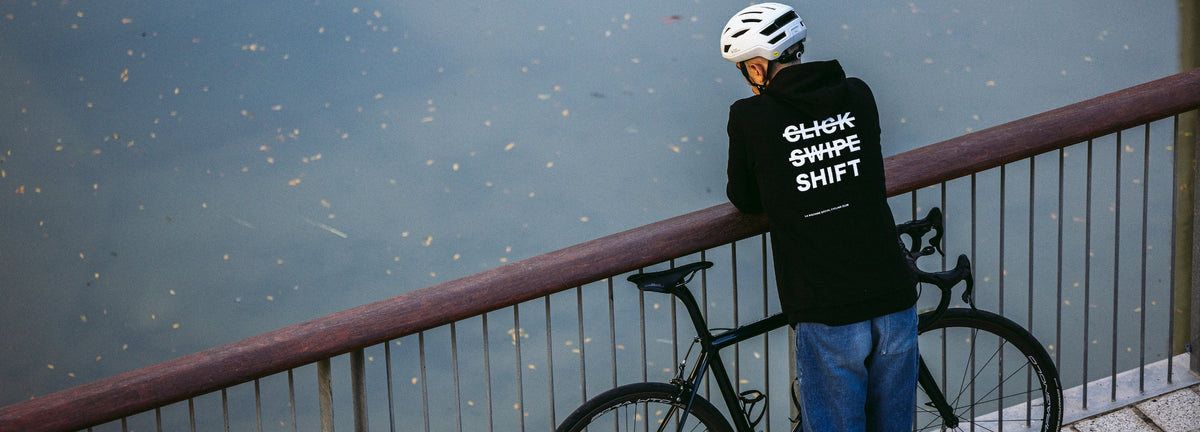
What makes a good cycling hoodie for life off the bike: heavyweight fabric, a fit cut for a rider's frame, practical details and a design with meaning.




Laat een reactie achter
Deze site wordt beschermd door hCaptcha en het privacybeleid en de servicevoorwaarden van hCaptcha zijn van toepassing.